 St. Petersburg
 Asphalt Shingle Roofing in Roser Park
Roser Park sits close enough to downtown St. Petersburg and Tampa Bay that its homes take the full brunt of Pinellas County weather — hurricane-force winds during storm season, intense UV exposure nearly every day of the year, wind-driven rain that finds its way into anything less than a tight roof system, and salt air drifting in off the water that accelerates corrosion on metal components most homeowners never think about. A roof here isn't just a design choice, it's the single biggest line of defense the house has. Asphalt shingle roofing, done correctly with the right materials and installation details for this climate, remains one of the most reliable and cost-effective ways to protect a Roser Park home for decades.
This page covers what that actually looks like: what local homes need structurally and materially, what a correct installation involves, how our process runs from first call to final inspection, and why it matters to work with a crew that already knows this neighborhood and this climate rather than a general contractor passing through.
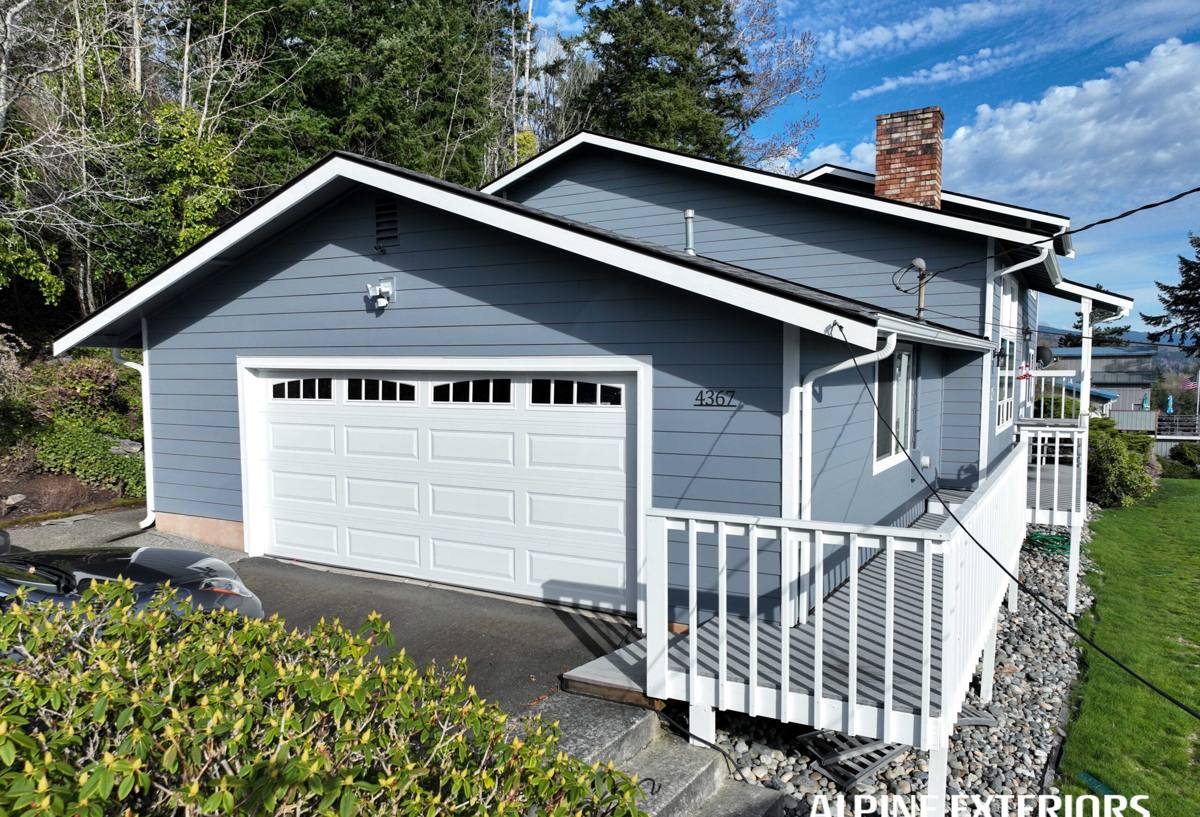
What Roser Park Homes Need From a Roof
Many homes in this part of St. Petersburg are older, with a mix of original framing and additions or re-roofs layered on over the years. That history matters when it comes to roofing. A shingle system that looks fine from the street can be sitting on decking that's flexed, aged, or under-ventilated in ways that shorten its life regardless of how good the shingles themselves are. Before we ever talk about shingle brand or color, we're looking at three things that determine whether a roof will actually perform here:
- Deck condition — soft spots, delamination, or fastener pull-through from age or prior moisture intrusion
- Ventilation balance — intake at the eaves and exhaust at the ridge working together, not fighting each other
- Wind rating and fastening pattern — matched to current Florida Building Code requirements for this region, not whatever was standard when the house was last re-roofed
Skipping any of these to save a day of labor is how a shingle roof that should last 20-plus years starts failing in year eight or nine.
The Wind Factor
Pinellas County sees tropical storm and hurricane-force wind events on a near-annual basis. Shingle roofs fail in wind almost always at the edges first — starter strips, rake edges, and ridge caps that weren't sealed or fastened to spec. A roof can have a high wind rating on paper and still lose shingles in a moderate storm if those transition points were rushed. This is one of the most common corner-cutting spots in the trade, and it's usually invisible until wind actually tests it.
UV and Heat
Central Florida sun is relentless. Asphalt shingles are engineered to handle UV exposure, but the granule coating that provides that protection wears down faster on roofs with poor attic ventilation, because trapped heat bakes the shingle from underneath as well as from the sun above. A well-ventilated attic doesn't just keep energy bills down — it directly extends shingle life.
Salt Air and Metal Components
Being close to the bay means salt-laden air moves through the neighborhood regularly. It doesn't damage the shingles themselves much, but it does accelerate corrosion on exposed fasteners, flashing, and vent stacks if lower-grade metal is used. We spec corrosion-resistant flashing and fasteners on every roof in this area for that reason, not as an upsell but as a baseline.
What a Correct Asphalt Shingle Installation Involves
A shingle roof is a system, not a single product. Every layer has to work with the others, and skipping or downgrading any one of them undermines the whole system's performance in this climate.
| Component | Why It Matters Here |
|---|---|
| Deck inspection and repair | Wet or delaminated decking won't hold fasteners securely under wind load |
| Self-adhering underlayment at eaves and valleys | Seals around nail penetrations against wind-driven rain |
| Synthetic underlayment field coverage | Secondary water barrier if wind ever lifts a shingle tab |
| Starter strip at all edges | Primary defense against wind uplift at the roof's most vulnerable point |
| Corrosion-resistant flashing and fasteners | Salt air exposure shortens the life of standard-grade metal |
| Balanced intake and exhaust ventilation | Reduces attic heat buildup and extends shingle life |
| Manufacturer-specified nailing pattern | Required to actually achieve the shingle's rated wind resistance |
| Sealed ridge cap and hip lines | Common failure point in high-wind events if not properly fastened |
Every one of these steps is inspectable, and we walk homeowners through each one rather than treating installation as a black box.
Choosing the Right Shingle for This Climate
Not every asphalt shingle product is built the same, and in a coastal, high-UV, high-wind environment like St. Petersburg, the differences matter more than they would somewhere milder. We generally steer homeowners toward architectural (laminated) shingles with a wind rating suited to Pinellas County's building code requirements, rather than older three-tab styles, for a few honest reasons:
- Architectural shingles have more mass and a stronger adhesive sealant strip, which holds up better to sustained coastal wind
- They tolerate minor deck imperfections better, which matters on older Roser Park homes with original or aged decking
- Warranty structures on architectural lines typically include better wind-speed coverage, which is worth understanding before a storm rather than after one
- The heavier profile resists granule loss from intense UV exposure over time better than lighter-weight products
We're not tied to one manufacturer — the right choice depends on the home's roof pitch, budget, and how long the homeowner plans to stay in the house. What we won't do is install a lightweight, minimally-rated shingle in this wind zone just because it's cheaper up front, without being upfront with the homeowner about that trade-off.
Our Process for Roser Park Roofing Projects
The process is straightforward, and we keep it that way on purpose. Homeowners should know what's happening at every stage.
- On-site inspection — we get on the roof, not just look at it from the driveway, and check decking, flashing, ventilation, and current shingle condition
- Honest assessment — repair versus full replacement, explained in plain terms with the reasoning behind the recommendation
- Written estimate — materials, labor, and timeline spelled out, no vague line items
- Permit and code compliance — pulled and handled properly for St. Petersburg and Pinellas County requirements before work starts
- Tear-off and deck inspection — old material removed, decking checked and repaired as needed before anything new goes down
- Full system installation — underlayment, flashing, starter strips, shingles, and ridge caps installed to manufacturer and code specification
- Final walkthrough — we review the finished roof with the homeowner before calling the job done
Why a Local, Roser Park-Experienced Crew Matters
Roofing crews that haven't worked this specific area miss things that aren't obvious from a truck-mounted estimate app. Knowing how older Pinellas County homes were typically framed and re-roofed over the decades, understanding which flashing details tend to fail first in this wind and salt exposure, and being familiar with the local permitting process all shorten the gap between "estimate" and "correctly finished roof." It also means someone is actually accountable and reachable in the neighborhood after the job is done, not a crew that worked one job here and moved on to another county.
We also know that homes in this area range from smaller historic-style houses to larger updated properties, and the right roofing approach isn't identical across that range. A one-size-fits-all sales pitch doesn't serve a neighborhood with this much variation in home age and construction style.
Signs Your Roser Park Roof Needs Attention
Most shingle roof problems give warning signs well before a full failure. Worth checking for, especially after a windy season:
- Missing, curling, or cracked shingles, especially near edges and ridges
- Granules collecting in gutters or at downspout outlets
- Visible sagging anywhere along the roofline
- Daylight visible through the attic decking
- Water staining on interior ceilings, especially after heavy rain
- Shingles that look uniformly faded or brittle compared to when installed
- Rusted or lifted flashing around vents, chimneys, or valleys
Catching these early is almost always cheaper than waiting for a leak to show up inside the house.
Maintenance That Actually Extends Roof Life
Asphalt shingle roofs in this climate benefit from a bit of regular attention rather than a "install and forget" approach:
- Keep gutters clear so water doesn't back up under the shingle edge
- Trim overhanging branches that scrape shingles or drop debris that holds moisture
- Have the roof visually checked after any major named storm, not just when a leak appears
- Address small flashing or sealant issues promptly before wind-driven rain finds them
None of this requires a major service contract — just periodic attention, ideally from the same crew that knows the roof's history.
Get a Straightforward Estimate
If you own a home in Roser Park and it's time to evaluate your roof — whether it's storm damage, age, or just wanting to know where things stand — we're happy to take a look. The estimate is free, there's no pressure attached to it, and you'll get an honest answer about repair versus replacement before any decisions get made. Use the form below to get started.