 St. Petersburg
 Why Pinellas Park Roofs Need More Than a Standard Shingle Job
Pinellas Park sits inland from the coast but still gets the full weather package that defines living in Pinellas County: long stretches of intense sun, sudden downpours that come in sideways, and the occasional direct hit or near-miss from a tropical system. A roof that would hold up fine in a milder climate can fail early here if it's installed the same way it would be installed anywhere else. Asphalt shingle roofing is still one of the most practical, cost-effective options for homes in this area, but only when the materials, fastening, and detailing are chosen with our specific conditions in mind.
This page covers what that actually looks like — not generic roofing advice, but what we've found matters specifically for asphalt shingle roofs on Pinellas Park homes.
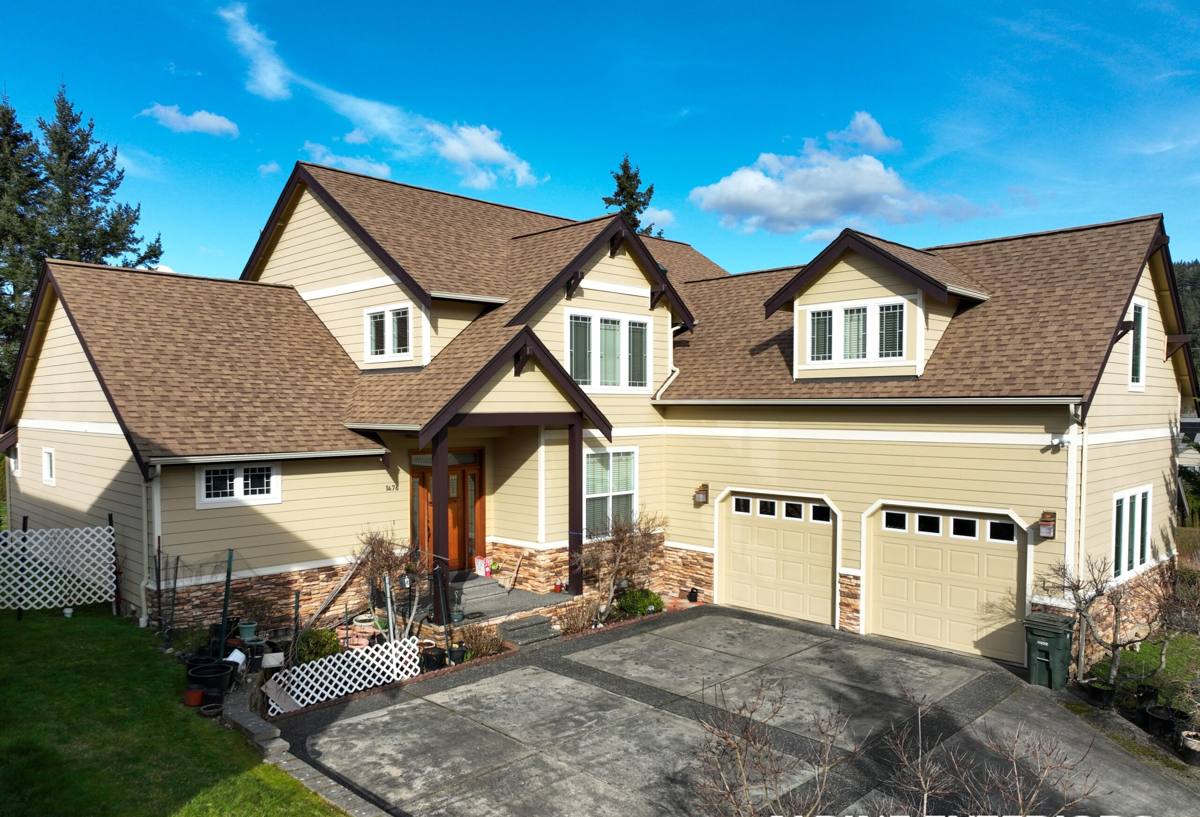
What Our Climate Does to a Roof Over Time
Wind
Hurricane-force winds and the tropical-storm-strength gusts that show up more often than actual hurricanes both put lateral and uplift force on a roof. Shingles are most vulnerable at the edges, ridges, and any spot where the nailing pattern was rushed or off-target. A shingle that looks fine sitting flat on a pallet can still lift and tear off in a storm if it wasn't fastened correctly during installation.
UV and Heat
Florida gets intense, near year-round sun exposure. UV breaks down the asphalt binders in shingles over time, drying them out and making them brittle. Attic heat buildup compounds this from underneath, which is part of why ventilation is not optional here — it's a durability issue, not just a comfort one.
Salt Air and Humidity
Pinellas Park isn't right on the water, but it's close enough that salt-laden air still reaches it, and combined with the region's humidity it accelerates corrosion on exposed metal — flashing, fasteners, and vent components. Cheap or under-spec metal components fail faster here than they would inland.
Wind-Driven Rain
Storms here rarely drop straight down. Wind-driven rain gets pushed sideways and upward under shingle edges, around penetrations, and into any gap in flashing or underlayment. A roof can pass a casual visual inspection and still leak during a storm if the water-shedding details underneath aren't right.
Choosing the Right Asphalt Shingle for This Area
Not all asphalt shingles are built the same, and the differences matter more here than in milder climates. The table below is a general comparison to help frame the conversation — actual product lines and specs vary by manufacturer.
| Shingle Type | General Wind Rating | Best Fit For | Trade-offs |
|---|---|---|---|
| 3-tab (standard) | Lower end of the range | Budget-conscious projects, secondary structures | Shorter lifespan, less wind resistance, thinner profile |
| Architectural / laminate | Mid-to-high range | Most Pinellas Park homes | Higher upfront cost, but better durability and appearance |
| High-wind-rated laminate | Top of the range for asphalt | Homes prioritizing storm resilience | Highest material cost; installation quality still matters as much as the rating |
A high wind rating printed on the shingle wrapper only means something if the shingle is installed to the manufacturer's specification for that rating — the correct nailing pattern, the correct number of fasteners, and the correct starter strip and hip/ridge treatment. We size the product to the home and the exposure it actually faces, not just to the lowest price point.
What a Correct Installation Actually Involves
Deck Inspection and Prep
Shingles are only as good as what they're nailed to. Before anything goes down, the decking gets inspected for soft spots, delamination, or rot — common in older Pinellas Park homes where humidity has had decades to work on the wood. Any bad decking gets replaced, not covered over.
Underlayment
This is the roof's real waterproofing layer, and it's what keeps a home dry if a shingle ever does lift in a storm. We use synthetic or self-adhering underlayment appropriate to the roof's slope and exposure, with extra attention — often self-adhering membrane — at eaves, valleys, and low-slope transitions where wind-driven rain is most likely to get pushed uphill under the shingles.
Fastening Pattern
This is the single biggest factor in whether a shingle roof survives high wind. Correct nail placement, nail count, and nail depth (not overdriven, not underdriven) all matter. This is also the step that's easiest for a rushed crew to get wrong and hardest for a homeowner to check afterward — which is part of why choosing an experienced local crew matters more than choosing the cheapest quote.
Flashing and Penetrations
Chimneys, skylights, plumbing vents, and wall-to-roof transitions are where most leaks actually start — not in the open field of shingles. Flashing has to be properly integrated with the underlayment and shingle courses, not just caulked over the top. In our salt-air-influenced humidity, we favor corrosion-resistant metal at these details.
Ventilation
A balanced intake-and-exhaust ventilation system keeps attic temperatures and moisture in check, which protects both the shingles from the underside and the decking from moisture damage. It also affects shingle warranty validity — most manufacturers require adequate ventilation for their warranty to hold.
Our Process for Pinellas Park Roofing Jobs
- On-site inspection: We walk the roof (or use a drone where access is limited) and check the decking, flashing, ventilation, and current shingle condition before recommending anything.
- Straightforward proposal: A written scope covering materials, fastening approach, flashing work, and ventilation — not just a square-footage price.
- Material staging and protection: Landscaping, gutters, and the areas around the home get protected before tear-off starts.
- Tear-off and deck inspection: Old materials come off down to the deck so it can actually be inspected, not guessed at.
- Underlayment, flashing, and shingle installation: Installed to manufacturer spec for the wind rating we've sold.
- Cleanup and final walkthrough: Magnetic sweep for nails, debris haul-off, and a walkthrough so you know what was done and why.
Signs Your Pinellas Park Roof May Need Attention
Most shingle roof problems are visible before they become emergencies, if you know where to look.
- Shingles that look cupped, curled, or cracked, especially on the sun-exposed side of the roof
- Granules collecting in gutters or at downspout outlets
- Missing or lifted shingles after a storm, even just a few
- Rust streaking or visibly corroded flashing around vents, chimneys, or valleys
- Soft spots or sagging when walked on (best assessed by a professional, not by walking your own roof)
- Water stains on interior ceilings, especially after wind-driven rain events
- Visible daylight through the attic decking
Catching these early is almost always cheaper than waiting for an active leak.
Maintenance That Actually Extends Shingle Life Here
Asphalt shingles don't need much, but in this climate the little things matter more. Keeping gutters clear prevents water from backing up under the shingle edge. Trimming back overhanging branches reduces both debris buildup and abrasion damage during wind. A post-storm visual check — from the ground, not on a ladder — after any significant weather event helps catch lifted shingles or debris damage before the next rain gets underneath them. We also recommend a periodic professional check of flashing and sealant points, since those tend to fail before the shingles themselves do.
Why Local Experience in Pinellas Park Matters
A crew that works this specific area regularly knows the common roof ages and construction types in Pinellas Park neighborhoods, understands the permitting process with Pinellas County and local jurisdictions, and has already seen how different shingle products and installation details hold up through actual storm seasons here — not just in a lab wind-rating test. That local track record shows up in fewer surprises during the job and a roof that's detailed correctly the first time, rather than one that looks right until the next major wind event finds the shortcut.
It also matters for warranty and insurance purposes. Manufacturers and insurers both care about documentation — permits pulled correctly, installation to spec, and a contractor who will still be reachable locally if a wind or hail claim needs to be filed.
What Affects the Cost of a Shingle Roof in This Area
| Factor | Why It Matters |
|---|---|
| Roof size and complexity | More valleys, hips, and penetrations mean more flashing work and labor time |
| Shingle tier chosen | Standard 3-tab vs. architectural vs. high-wind laminate changes both material cost and expected lifespan |
| Decking condition | Rot or soft decking found during tear-off adds repair cost but is not optional to fix |
| Underlayment upgrade | Self-adhering membrane at eaves and valleys costs more than basic felt but reduces wind-driven-rain risk |
| Ventilation work | Adding or correcting intake/exhaust venting protects the investment and can affect warranty eligibility |
| Access and pitch | Steeper or harder-to-access roofs take longer and require more safety setup |
We give straightforward, itemized pricing so you can see what you're actually paying for, rather than a single lump number.
If your Pinellas Park roof is due for a look — whether it's storm damage, age, or you're just trying to get ahead of a problem — we're glad to come out and give you an honest, no-pressure estimate. Use the form below to get started.