 St. Petersburg
 Roofing on a Point: Why Pinellas Point Takes It Harder
Pinellas Point sits on the southern tip of the St. Petersburg peninsula, with water on multiple sides and very little land between the neighborhood and Tampa Bay. That geography is part of what makes the area desirable, but it also means roofs here catch weather that inland St. Petersburg homes are partially shielded from. Wind funnels off open water with fewer obstructions to slow it down, salt-laden air corrodes metal fasteners and flashing faster than it does a few miles inland, and wind-driven rain during tropical storms and hurricanes tends to hit these roofs from more directions in a single event.
None of that means Pinellas Point roofs are doomed to constant repair. It means the repair work needs to account for the exposure, not just patch what's visibly broken. A shingle repair that would hold up fine in a more sheltered part of Pinellas County can fail again in the next squall if it wasn't fastened, sealed, and flashed for a waterfront wind profile.
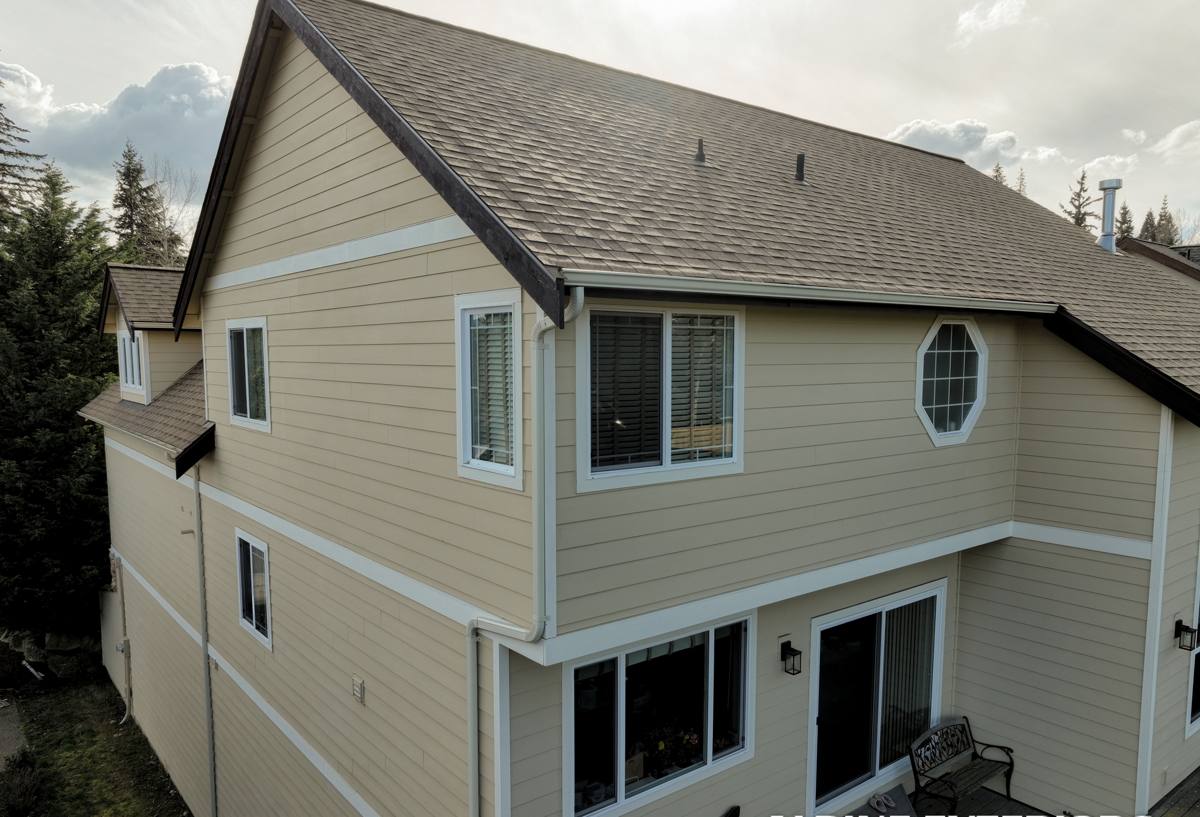
What Storm Damage Actually Looks Like
Storm damage isn't always a hole in the roof. Some of the most common issues we find on Pinellas Point homes after wind or rain events are easy to miss from the ground.
Visible Damage
- Missing, cracked, or curled shingles, especially along ridges, edges, and any roof plane facing the water
- Lifted or torn tile, or tiles that have shifted out of alignment
- Dented, creased, or blown-off metal flashing around chimneys, vents, and roof-to-wall transitions
- Visible debris impact marks from palm fronds, branches, or wind-carried objects
Hidden Damage
- Wind-driven rain forced up under shingles or tile through gaps that look intact from the ground
- Compromised underlayment beneath tile or shingles that still look fine on the surface
- Loosened fasteners that leave a roof covering technically in place but no longer holding to code wind resistance
- Soffit and fascia moisture intrusion that shows up as staining or soft wood well after the storm has passed
This is why we tell Pinellas Point homeowners not to judge storm damage by curb appeal alone. A roof that "looks okay" after a named storm or a bad squall line can still have compromised underlayment or loosened fasteners that turn a minor event into a major leak the next time wind pushes rain at the roof from a different angle.
Our Assessment Process
When we come out for a storm damage inspection in Pinellas Point, we're not just walking the roof looking for obvious holes. The process covers:
- Exterior walk and roof-level inspection — checking every plane, not just the side that faces the prevailing wind, since storms in this area often bring wind from shifting directions
- Flashing and penetration check — chimneys, plumbing vents, skylights, and roof-to-wall intersections are the most common failure points in wind events
- Attic inspection where accessible — daylight, water staining, or damp insulation tells us more about active leaks than the roof surface alone
- Fastener and seal condition — especially relevant on older roofs where salt air has had years to work on exposed metal
- Photo documentation — useful for our own repair plan and for your insurance claim if you're pursuing one
We give you a straight answer about what we find — including when a repair is genuinely sufficient and when a section of roof has taken enough damage that a full repair isn't the honest recommendation.
Repair vs. Replacement: What Actually Drives the Decision
Not every storm-damaged roof needs full replacement, and not every roof can be safely patched back to a reliable state. The right call depends on a handful of factors, not just how bad the damage looks.
| Factor | Favors Repair | Favors Replacement |
|---|---|---|
| Extent of damage | Localized to one section or plane | Spread across multiple planes or the majority of the roof |
| Roof age | Roof covering has years of service life remaining | Roof is already near the end of its expected lifespan |
| Underlayment condition | Underlayment is intact where accessed | Underlayment is compromised or was never up to current wind standards |
| Fastener/deck condition | Decking and fasteners are sound | Soft decking or repeated fastener pull-through found |
| Storm history | First significant event in years | Roof has taken repeated hits and repairs are becoming frequent |
We'll walk you through where your roof lands on these factors rather than defaulting to the most expensive answer. A lot of storm calls genuinely are repairs — targeted flashing replacement, a section of shingles or tile, resealing a penetration — and we'll tell you that when it's true.
How We Repair for This Exposure, Not Just This Storm
A repair on a Pinellas Point roof should be built to handle the next event, not just cosmetically match the last one. That shapes a few things about how we work:
Fastening and Sealing
Where a roof faces open water and unobstructed wind, we don't cut corners on fastener count or sealant coverage just to move faster. Under-fastened repairs are one of the most common reasons a "fixed" roof fails again in the very next storm.
Flashing Over Patching
Where flashing has been compromised by wind or corrosion, our standard is to replace the flashing rather than caulk over failing metal. Caulk-only fixes on flashing are a maintenance item, not a repair — they buy a season, not years, and salt air accelerates that timeline further.
Matching Materials Correctly
Shingle and tile repairs need to match not just in appearance but in profile and fastening method, so the repaired section performs the same as the surrounding roof under wind load. A visually close but mechanically mismatched patch can become the weak point in the next storm.
Insurance and Documentation
Many storm repairs in this area are pursued through homeowners insurance, particularly after a named storm. A few things help that process go smoothly:
- Photo documentation of damage before any repair work begins
- A clear, written scope of work that separates storm-caused damage from pre-existing wear
- Timely inspection — waiting weeks after a storm to document damage makes it harder to tie the damage to a specific event
We provide documentation you can hand to your adjuster, but we work for you, not the insurance company. Our job is to accurately describe what the roof needs — we don't inflate scope to chase a bigger claim, and we don't downplay damage to make a repair look simpler than it is.
What to Expect: Timeline and Process
Most storm damage repairs in Pinellas Point follow a similar sequence once you call us:
- Initial inspection and damage assessment, usually scheduled within a few days
- Written estimate covering the scope of repair, including any flashing, underlayment, or decking work needed alongside the visible covering repair
- Temporary protection if the roof has active leaking and full repair can't happen immediately — this matters most during active storm season when materials and crews are in higher demand across the county
- Scheduled repair, with weather windows factored in — we don't rush a repair into a forecast that will undo the work
- Final walkthrough so you know exactly what was done and why
Why Local Experience in Pinellas Point Matters
A roofing crew that regularly works this part of St. Petersburg knows the difference between damage patterns typical of a peninsula, near-water property and damage patterns from a more sheltered inland neighborhood. That shows up in small but real ways: knowing which flashing details tend to fail first on homes with this level of wind exposure, having a realistic sense of how salt air has likely affected fasteners on an older roof, and not being surprised by how quickly a "minor" leak here can turn into interior damage given how much wind-driven rain the area sees compared to more sheltered parts of Pinellas County.
It also means faster response after a storm. When a wind event moves through the region, crews familiar with Pinellas Point already know which streets and roof types in the area tend to need attention first, which keeps response times reasonable even during a busy stretch.
Homeowner Checklist: After a Storm
- Do a ground-level visual check of your roof and gutters — don't climb up yourself right after a storm
- Check the attic and ceilings for staining, dampness, or new odors
- Photograph any visible damage from the ground for your own records
- Note the date and general conditions of the storm event for insurance purposes
- Call for a professional inspection promptly, even if damage looks minor — hidden damage is common
- Avoid DIY roof patches beyond safe temporary tarping — improper patches can complicate both repairs and insurance claims
If a recent storm has you wondering what shape your roof is really in, we're happy to take a look. A free, no-pressure estimate gets you a straight answer about what's damaged, what it needs, and what it will cost — use the form below to get started.