 St. Petersburg
 Window Replacement Built for Euclid-St. Paul, Not a Generic Florida House
Euclid-St. Paul sits close enough to the water that its homes take on everything Tampa Bay's climate can throw at them — hurricane-force wind gusts during storm season, sun that beats down on window glass and frames nearly every day of the year, wind-driven rain that finds any weak seal, and a steady dose of salt air that speeds up corrosion on hardware and fasteners. A window that's rated fine for a house forty miles inland can fail years early here. When we talk about window replacement in this part of St. Petersburg, we're talking about a job that has to account for all of that from the first measurement to the final bead of sealant.
This page is specifically about window replacement for homes in and around Euclid-St. Paul — what the climate demands, what a correct installation actually involves, and why it matters to work with a crew that already knows this neighborhood rather than a company that treats every Pinellas County address the same.
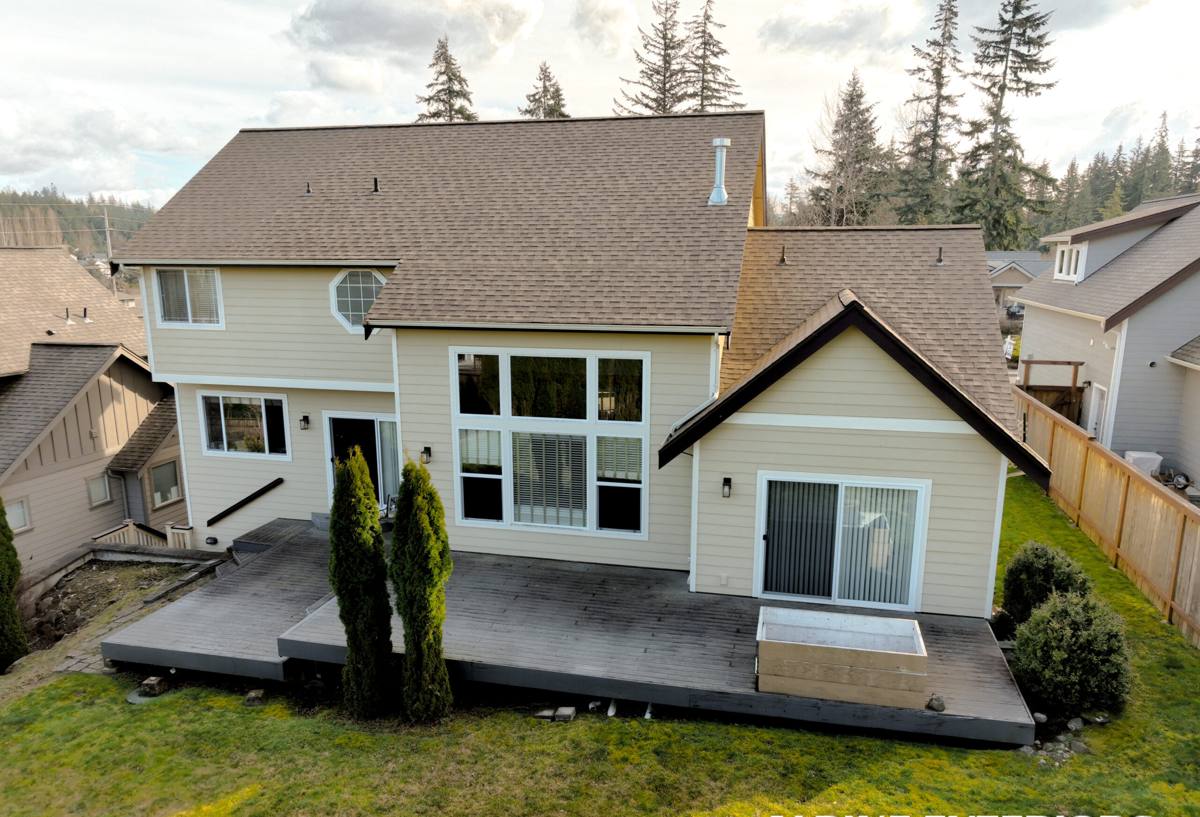
What Pinellas County's Climate Actually Does to Windows
It helps to understand the specific ways coastal exposure wears down a window system, because it explains almost every recommendation in this page.
Wind Load
St. Petersburg sits inside a hurricane-prone wind zone. During tropical storms and hurricanes, wind doesn't just push on glass — it creates pressure differences that can pull windows out of a poorly anchored frame or flex glass beyond its rating. Older windows, especially original single-pane units, were never engineered for the wind pressures Florida building code now requires.
UV Exposure
Florida gets some of the most consistent, intense sun exposure in the country. Over years, UV breaks down vinyl frames, dries out and cracks old glazing putty, and fades or discolors window components that weren't built with UV-stable materials.
Wind-Driven Rain
Rain in a Gulf-coast storm rarely falls straight down — it's driven sideways by wind, which pushes water into seams, sills, and any gap around a window frame that a calmer climate would never test. This is the single biggest cause of hidden rot and interior water stains we see around older windows.
Salt Air
Even a few miles from open water, airborne salt accelerates corrosion on window hardware — hinges, locks, screws, and aluminum components in particular. It also degrades sealants and gaskets faster than in inland areas, which shortens the effective life of an otherwise good window.
Put together, these four forces are why window replacement in Euclid-St. Paul isn't just about picking a style homeowners like — it's about matching the product and the installation to conditions the window will actually face.
Signs a Home in This Area Is Overdue for Window Replacement
- Windows feel warm to the touch or let in a draft even when fully closed
- Frames show soft spots, cracking, or discoloration from years of sun exposure
- Condensation regularly forms between panes on double-glazed units — a sign the seal has failed
- Locks, cranks, or hardware are corroded, stiff, or difficult to operate
- Water stains or soft drywall appear on the interior wall below or beside a window after storms
- Windows are original single-pane glass with no impact rating, common in older Pinellas County homes
- Energy bills climb noticeably during summer months despite a working HVAC system
What a Correct Window Replacement Job Actually Involves
Swapping glass into an existing opening is not the same as a proper replacement, and the difference matters more here than in a mild climate. A correct job includes:
Accurate Measurement and Opening Inspection
Before ordering anything, the existing opening gets inspected for rot, settling, or out-of-square framing — issues that are more common in older homes throughout this part of St. Petersburg. Ordering a window to fit a compromised opening just locks the problem behind new trim.
Removal Without Damaging the Surrounding Structure
Old windows, frames, and any deteriorated wood or stucco around the opening are removed carefully so the new unit has clean, solid material to anchor into.
Flashing and Water Management
This is the step that gets skipped most often by crews unfamiliar with wind-driven rain exposure. Proper flashing tape and a correctly lapped water barrier around the window opening are what actually keep wind-driven rain out — the window unit itself is only part of the system.
Anchoring to Code-Required Wind Pressure Ratings
Fasteners, anchor spacing, and anchor type all have to match the window's tested Design Pressure rating and the substrate they're going into (wood framing, concrete block, or stucco-over-block, all common around this neighborhood).
Sealing and Insulation
The gap between the window frame and rough opening gets properly insulated and sealed — not just caulked on the visible exterior seam, which is a common shortcut that fails within a few years in this climate.
Final Inspection and Cleanup
Every window gets checked for square, level, smooth operation, and a clean seal before the job is called finished.
Choosing the Right Window for a Euclid-St. Paul Home
There isn't one "correct" window for every house — the right choice depends on the home's age, exposure, and the homeowner's priorities. The table below lays out the honest trade-offs between the main options homeowners in this area typically weigh.
| Option | Wind/Impact Performance | Maintenance | Typical Fit |
|---|---|---|---|
| Impact-rated windows | Highest — laminated glass stays intact under wind-borne debris impact | Low — no shutters or panels to store or install | Homes closer to open water or owners who want storm prep off their plate |
| Non-impact windows + code shutters | Meets code with shutters properly installed before a storm | Higher — shutters must be stored, maintained, and deployed each storm | Budget-conscious homeowners willing to manage shutters every season |
| Vinyl frames | Good with proper reinforcement; performance varies by manufacturer | Low — won't rust, minimal upkeep | Most standard replacements in this climate |
| Aluminum frames | Strong structurally but prone to corrosion near salt air over time | Moderate — hardware and finish need periodic attention | Homes wanting a slimmer sightline, with realistic maintenance expectations |
We don't push one brand or material as the only answer. What we do insist on is matching the product's tested wind and impact rating to what this specific neighborhood actually experiences, and being upfront about the maintenance trade-offs of whatever a homeowner chooses.
Our Process, Start to Finish
- Free on-site estimate — we walk the home, inspect existing window openings, and talk through what the homeowner wants (energy performance, storm protection, appearance, budget).
- Product recommendation — we explain the realistic options for that specific house, including trade-offs, without steering toward the most expensive option by default.
- Written proposal — clear scope, product specs, and pricing before any commitment.
- Permitting — window replacement in Pinellas County typically requires a permit; we handle that paperwork rather than leaving it to the homeowner.
- Installation — removal, flashing, anchoring, insulation, and sealing done to the standards outlined above.
- Final walkthrough — every window operated and checked with the homeowner before we consider the job done.
What Drives Window Replacement Cost in This Area
Every home is different, so we won't quote a number without seeing the actual openings — but these are the main factors that move the price up or down.
| Cost Factor | Why It Matters |
|---|---|
| Impact-rated vs. standard glass | Impact glass costs more upfront but removes the ongoing cost and hassle of shutters |
| Frame material | Vinyl, aluminum, and composite frames carry different material and reinforcement costs |
| Number and size of openings | Larger openings and full-house jobs have different per-unit economics than a single replacement |
| Condition of existing openings | Rot, out-of-square framing, or stucco repair around the opening adds labor |
| Permit and inspection requirements | Pinellas County permitting and code compliance are part of a legitimate job's cost, not optional |
| Access and home style | Older homes with original trim details or tight openings can take more careful, slower work |
Permits, Wind Zone Rules, and Why They're Not Optional
St. Petersburg and Pinellas County enforce Florida Building Code wind and impact requirements based on the property's wind zone and distance from the coast. That means the window you're allowed to install — and the way it has to be anchored — is dictated by code, not personal preference. A contractor who skips the permit or installs a window that isn't rated for the property's wind zone is putting the homeowner at risk of failed inspections, insurance complications, and a window that genuinely won't hold up in a storm. We pull permits and install to the rating the property requires, every time.
Questions Worth Asking Before You Hire Anyone for This Job
- Are you licensed to do window replacement work in Florida, and can you provide proof?
- Do you carry liability insurance and workers' compensation coverage?
- Will you pull the required permit, or is that left to me?
- What wind pressure and impact rating are you specifying for my specific property?
- How do you handle flashing and water sealing around the opening, not just the window unit itself?
- Can you explain the maintenance trade-offs between the products you're recommending?
Why Hiring a Crew That Already Works This Neighborhood Matters
Euclid-St. Paul has a mix of established, older homes alongside more recently updated properties, which means window openings, framing conditions, and prior renovation work vary a lot from house to house even on the same street. A crew that regularly works this part of St. Petersburg has already seen the common surprises — settled framing, older stucco details, non-standard opening sizes — and knows how to plan for them instead of discovering them mid-installation. That familiarity translates into fewer change orders, fewer surprises, and a job that accounts for this specific coastal climate instead of a generic weather assumption.
If you're weighing whether it's time to replace windows on a home in or near Euclid-St. Paul, we're happy to take a look and give you a straight answer — no pressure, no upsell script. Use the form below to request a free estimate, and we'll walk the property with you and talk through what actually makes sense for your home.