 St. Petersburg
 Decking Built for St. Pete Beach, Not Just Florida
St. Pete Beach sits about as close to the Gulf as a property in Pinellas County can get, and that proximity changes what a deck has to survive. A composite deck installed a few miles inland in St. Petersburg proper deals with heat and humidity. A deck on or near St. Pete Beach deals with all of that plus direct salt air, sand-laden wind, and the kind of storm exposure that comes with barrier-island living. The materials, fasteners, and framing details that hold up in a shaded inland yard are not automatically the right call three blocks from the Gulf.
This page covers what we build specifically for St. Pete Beach conditions: how we select composite boards and hardware for salt exposure, how the substructure is engineered for wind and moisture, and what ongoing care actually looks like once the deck is in daily Florida sun.
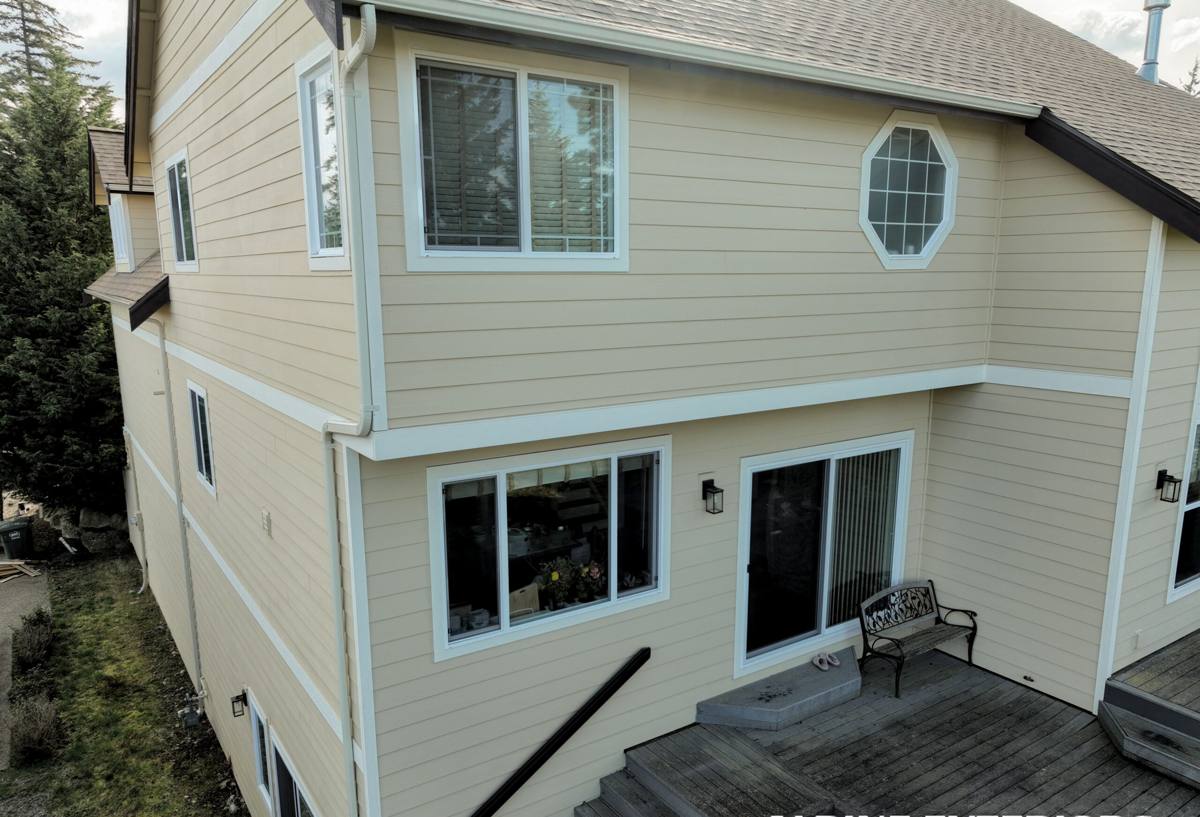
What St. Pete Beach's Climate Actually Does to a Deck
Salt Air and Coastal Corrosion
Airborne salt doesn't just settle on a deck's surface — it works into fastener heads, hinge hardware, and any exposed metal in the substructure. Standard galvanized screws and brackets that are fine well inland will start showing rust and pitting much sooner this close to the Gulf. This is the single most common reason we see older decks in this area fail at the connections long before the decking boards themselves show any wear.
UV Load
Pinellas County gets sun exposure nearly year-round, and a west- or south-facing deck on St. Pete Beach can spend most of the day under direct, unfiltered light reflected off open water and pale sand. Composite boards are far more UV-stable than wood, but not all cap layers resist fading and heat buildup equally — this matters both for comfort underfoot and for how the color holds over time.
Wind-Driven Rain and Storm Loading
Wind-driven rain during Gulf storms doesn't fall straight down — it drives sideways and gets forced into board gaps, ledger connections, and any place water isn't given a clear path off the structure. Combined with the hurricane-force wind gusts this area can see, a deck here needs a substructure that's fastened and braced to actually stay put, not just decking that looks good.
Humidity and Ground Moisture
Between the water table on a barrier island and Florida's humidity, framing members near or below the deck surface stay damp longer than most of the country ever experiences. Composite board material handles this well; the wood or wood-composite framing underneath it needs the right treatment and airflow to hold up alongside it.
What a Correct Composite Deck Build Looks Like Here
Framing and Substructure
We frame with treated lumber rated for ground contact and coastal exposure, or with composite/PVC substructure components where budget and design allow — the framing is where most premature deck failures start, and it's the part homeowners never see once the job is done. Joist spacing gets tightened up versus inland standard practice to account for wind uplift and the heavier point loads composite decking can carry.
Fasteners and Hardware
This is non-negotiable on a St. Pete Beach job: stainless steel or coated coastal-rated fasteners and structural hardware throughout, not standard galvanized. The cost difference is modest; the difference in how long the connections last near salt air is not.
Ledger Attachment and Flashing
Where the deck attaches to the house, proper flashing keeps wind-driven rain from working behind the ledger board and into the structure. This is one of the most commonly skipped steps on lower-bid deck jobs, and it's also one of the most expensive to fix later since the damage happens out of sight.
Board Spacing and Drainage
Gapping between boards is set to allow sand, debris, and storm water to drain through rather than pool — important both for the deck's longevity and for keeping sand from accumulating in the gaps the way it can on a beach-adjacent property.
Composite vs. Other Decking Materials for This Location
| Material | Salt Air Behavior | Maintenance | Fit for St. Pete Beach |
|---|---|---|---|
| Composite decking | Cap layer resists salt corrosion and moisture absorption | Periodic cleaning; no sanding, staining, or sealing | Strong fit for coastal exposure |
| Pressure-treated wood | Absorbs moisture and salt; accelerates warping and splintering | Annual sealing/staining, ongoing repair | Higher upkeep this close to the Gulf |
| Tropical hardwood | Naturally decay-resistant but still needs oiling to hold color and prevent surface checking | Regular oiling to prevent graying and checking | Workable but labor-intensive near salt air |
| Aluminum decking | Excellent corrosion resistance | Very low | Good coastal option, different look and higher material cost |
We install composite decking on the large majority of St. Pete Beach and surrounding coastal jobs because it strikes the best balance of low maintenance, salt-air durability, and consistent appearance without annual upkeep. We're upfront that it isn't the only viable option — hardwood and aluminum both have a place depending on the look and budget a homeowner wants — but composite is what we recommend by default for this environment.
Choosing Composite Boards for a Coastal Property
Not every composite board on the market is built the same, and the differences matter more here than they would inland.
- Full cap (capstock) on all four sides rather than just the top face, so cut ends and edges near hardware don't absorb moisture
- A documented fade and stain warranty appropriate for high-UV, coastal exposure — not just a generic structural warranty
- A texture and color that stays cool enough underfoot for barefoot use in peak summer heat
- Manufacturer-approved hidden fastener systems rated for coastal installs
- Board profiles designed to shed standing water rather than trap it against the cap layer
We walk homeowners through specific manufacturer lines and warranty terms during the estimate rather than listing them here, since offerings and warranty language change over time — what stays constant is our standard for cap coverage, fastener compatibility, and coastal-rated hardware.
Our Process for a St. Pete Beach Deck Project
1. On-Site Assessment
We look at sun exposure, prevailing wind and rain direction, existing structure (for replacements), soil and drainage conditions, and how close the site sits to salt air and open water — all of which shape material and hardware decisions.
2. Design and Material Selection
We talk through board options, color and heat considerations, railing and stair details, and how the deck ties into the home's existing exterior, then put together a scope that accounts for the coastal-rated hardware and framing this location calls for.
3. Permitting
Deck work in Pinellas County typically requires permitting, and coastal construction standards can add requirements beyond what's standard elsewhere in the county. We handle this as part of the job rather than leaving it to the homeowner.
4. Demolition and Framing (Replacements)
For deck replacements, we remove the old structure and inspect ledger and framing connections to the house before building new — this is often where we catch moisture damage that wasn't visible from the surface.
5. Installation
Framing, hardware, decking, and railing go in to the standard described above — coastal-rated fasteners, proper flashing, correct spacing and drainage.
6. Final Walkthrough
We walk the finished deck with the homeowner, cover basic care, and answer questions before considering the job complete.
Maintenance for a Composite Deck This Close to the Gulf
Composite decking is low-maintenance, not no-maintenance, and living near the Gulf adds a couple of extra habits worth building in.
- Rinse or sweep sand and salt residue off the surface periodically rather than letting it accumulate in board gaps
- Clean with mild soap and water a few times a year to prevent surface film or mildew in Florida's humidity
- Check hardware and railing connections annually, especially after a significant storm
- Keep gutters and drainage paths near the deck clear so water isn't dumped directly onto or under it
- Avoid pressure-washing at high pressure directly into board seams, which can drive water into the substructure over time
None of this is heavy work, but skipping it entirely is where even good composite decking starts to underperform its warranty in a coastal environment.
Why Local Experience on St. Pete Beach Matters
A contractor who mainly builds decks inland can still do competent general carpentry, but they may not default to coastal-rated fasteners, may not think through wind-driven rain at the ledger, and may not know how Pinellas County's coastal permitting requirements differ from inland jobs. We work this specific stretch of coastline regularly, so those decisions aren't an afterthought — they're built into the estimate from the start. That familiarity is also why we're comfortable being direct with homeowners here about where corners get cut on lower bids: usually at the fasteners, the flashing, or the framing spec, none of which are visible once the deck is finished.
Get a Free Estimate
If you're planning a new composite deck or replacing an aging one on St. Pete Beach, we're happy to walk the site, talk through material options, and put together a straightforward, no-pressure estimate. Use the form below to get started.