 St. Petersburg
 Roofing in Euclid-St. Paul: A Different Set of Conditions Than Inland Florida
Euclid-St. Paul sits close enough to Tampa Bay and the Gulf that its roofs deal with a combination most inland Florida neighborhoods don't: near-constant humidity, salt-laden air moving in off the water, intense year-round UV exposure, and the real possibility of hurricane-force wind and wind-driven rain during storm season. None of these factors is unique on its own, but stacked together over years, they age an asphalt shingle roof faster than a spec sheet would suggest. A shingle rated for 30 years in a lab test in a dry climate does not automatically deliver 30 years on a St. Petersburg roof deck that bakes in July sun, gets soaked by afternoon storms, and takes salt air corrosion on every exposed metal fastener and flashing edge.
That's the starting point for any honest conversation about shingle roofing in this part of Pinellas County: the product matters, but the installation details matter more. A correctly installed shingle roof in Euclid-St. Paul should be built assuming wind, water, and UV are working against it every single day, not just during a named storm.
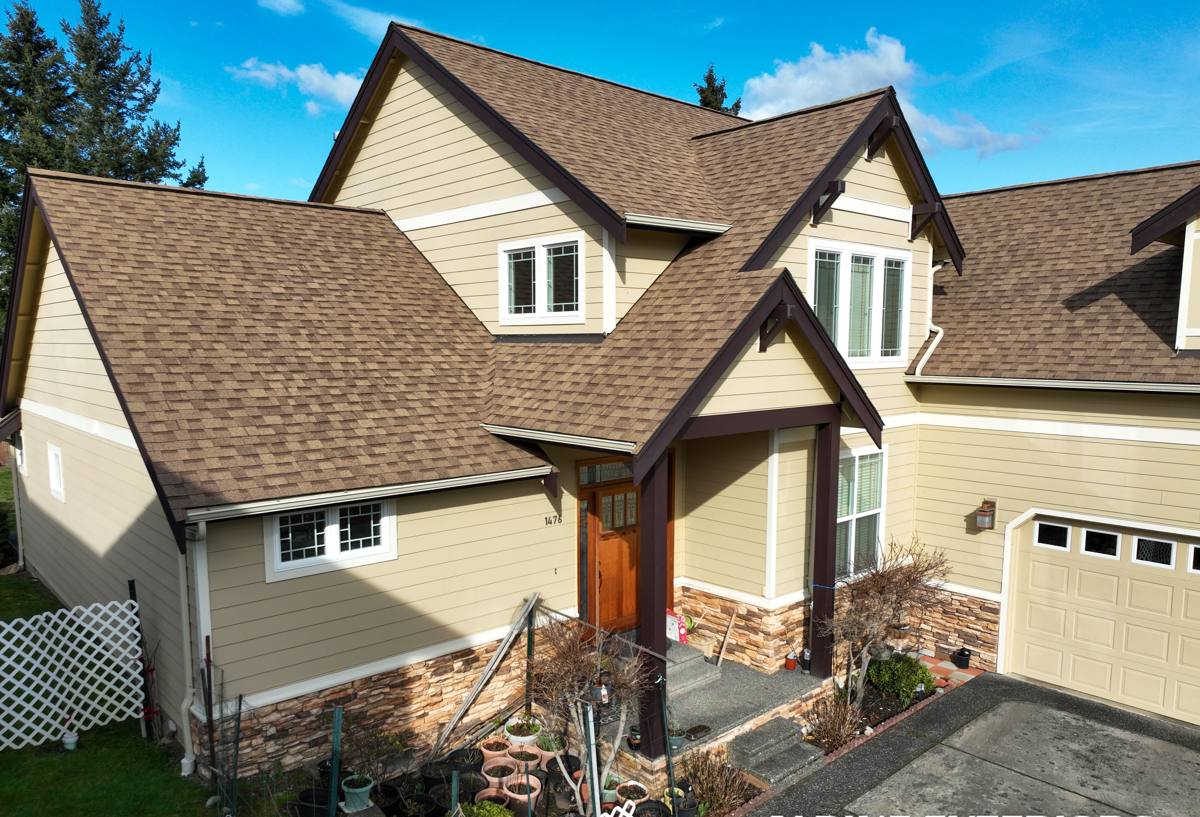
What Local Homes Actually Need From a Shingle Roof
Three things drive almost every roofing decision we make on homes in this area: wind resistance, water management, and heat rejection. A roof that handles all three well will outlast one that only looks good going on.
Wind Resistance
Florida's building code sets minimum wind uplift requirements, but "meets code" and "built right for this street" aren't always the same thing. Nailing pattern, nail placement, and shingle sealant strip activation all affect how a roof performs when gusts hit 60, 80, or 100+ mph. A roof with the right shingle rated for high wind but installed with a sloppy nailing pattern will fail well below its rated speed.
Water Management
Wind-driven rain doesn't fall straight down — it gets pushed sideways and upward under shingle edges, around penetrations, and into valleys. The underlayment, flashing, and valley treatment underneath the visible shingles do most of the real work keeping water out. This is the part of the roof homeowners never see and contractors sometimes rush.
Heat and UV Rejection
Year-round Florida sun breaks down asphalt shingle granules and oils over time, which is what eventually leads to brittleness, cracking, and granule loss. Attic ventilation and shingle quality both play a role in slowing that process down.
Signs Your Euclid-St. Paul Roof Needs a Closer Look
Most shingle roof problems don't announce themselves with a sudden leak — they show up as small warning signs first. Homeowners who catch these early usually spend far less than those who wait for a ceiling stain.
- Granules collecting in gutters or at downspout outlets, especially after a heavy rain
- Shingles that look curled, cupped, or lifted at the edges
- Cracked or missing shingles, particularly after a windy afternoon storm
- Dark streaking or algae growth, which is cosmetic but can signal moisture retention
- Soft spots or sagging when walking the roof (a professional should check this, not a homeowner)
- Rusty streaks near flashing, vents, or valleys — a sign metal components are corroding from salt air exposure
- Visible daylight or water stains in the attic around the roof deck or chimney
- Higher-than-normal cooling bills, which can point to failing ventilation or insulation under a heat-stressed roof
Any one of these on its own might just mean routine maintenance. Two or three together usually mean it's time for a proper inspection before the next storm season.
How We Approach an Asphalt Shingle Roofing Job Here
Whether the job is a full replacement, a targeted repair, or a post-storm assessment, the process follows the same order of operations. Skipping steps is how a roof looks fine for two years and then fails during the next serious blow.
1. Inspection and Honest Assessment
We walk the roof, check the attic from the inside, and look at flashing, vents, valleys, and the roof deck itself — not just the shingles. If a repair will genuinely hold, we say so. If the deck has moisture damage or the roof is past the point where patching makes sense, we explain why and what the options cost.
2. Tear-Off and Deck Check
For a replacement, we remove old roofing down to the deck and inspect for soft, rotted, or delaminated plywood. This is the step that gets skipped by crews trying to move fast, and it's the step that determines whether the new roof has a solid foundation or is nailed on top of a hidden problem.
3. Underlayment and Water Barrier
Given how much wind-driven rain this area sees, we treat underlayment as a real waterproofing layer, not a formality. Valleys, roof-to-wall transitions, and penetrations (vent pipes, chimneys, skylights) get sealed and flashed individually — these are the spots where the overwhelming majority of shingle roof leaks actually originate.
4. Shingle Installation
Nailing pattern, nail count, and placement follow the shingle manufacturer's high-wind specifications, not just the code minimum. Starter strips at eaves and rakes are installed correctly so the first course has full sealant contact — a detail that's invisible once the roof is done but critical to wind performance.
5. Ventilation and Final Walkthrough
We confirm intake and exhaust ventilation are balanced so the attic isn't trapping heat and moisture against the new deck. Then we walk the finished roof with the homeowner, point out what was done, and leave clear documentation for insurance and warranty purposes.
Repair, Partial Replacement, or Full Roof: What Drives the Decision
Not every damaged roof needs full replacement, and not every roof with a few missing shingles can be safely patched. The right call depends on the roof's age, the extent of the damage, and what's happening underneath the shingles.
| Factor | Favors Repair | Favors Full Replacement |
|---|---|---|
| Roof age | Under 10-12 years | Approaching or past 20 years |
| Damage extent | Isolated area, one slope | Widespread granule loss, multiple slopes |
| Deck condition | Solid, dry decking | Soft spots, rot, or prior water intrusion |
| Shingle matching | Discontinued line still available in small quantity | Discontinued line with no close match |
| Insurance situation | Minor storm damage claim | Total loss or major wind/hail claim |
We'll walk through where your roof falls on this table before recommending anything — a repair that's honestly the right call costs a homeowner far less than an unnecessary full replacement, and we'd rather earn the next job than push one that isn't needed.
Shingle Options Worth Considering
Asphalt shingles come in a few tiers, and the right choice usually comes down to budget, wind rating, and how long you plan to be in the home.
- 3-tab shingles — the most economical option, with a flat profile and lower wind rating. Reasonable for a budget-conscious replacement, but generally the first to show wear in coastal wind conditions.
- Architectural (dimensional) shingles — heavier, layered construction with a higher wind rating and longer warranty. This is what we recommend for most homes in this area, since the added durability holds up better against sustained coastal wind and UV exposure.
- Impact-resistant shingles — rated to better withstand hail and wind-borne debris. Some insurance carriers offer premium discounts for these, which can offset part of the upfront cost difference over time.
We'll go over manufacturer warranty terms with you directly, since coverage details (and what voids them — like improper ventilation or mixing shingle brands) vary and matter more than most homeowners realize until they need to file a claim.
Permits, Codes, and Insurance in Pinellas County
A shingle roof replacement in St. Petersburg requires a building permit and inspection — this isn't optional paperwork, it's what protects you if there's ever a dispute with an insurance carrier or a future buyer's inspector. We pull permits, schedule inspections, and provide documentation showing the work meets current Florida Building Code wind requirements for this region. If your roof is old enough to predate current code, a full replacement is also a chance to bring the whole system — decking attachment, underlayment, flashing — up to a standard that actually holds up to what this area sees every hurricane season.
Why a Crew That Already Works This Neighborhood Matters
Roofing crews that work across a wide, varied service area sometimes treat every job the same way regardless of location. A crew that regularly works Euclid-St. Paul and the surrounding St. Petersburg neighborhoods already knows the general housing stock, typical roof ages, and the specific coastal wear patterns common to this part of Pinellas County. That familiarity shows up in small but real ways — knowing which flashing details tend to fail first on homes of a certain age, being realistic about how fast granule loss progresses this close to the water, and not needing to relearn local permitting steps on every job. It also means we're not far away if a question comes up after the work is done.
Maintenance That Extends the Life of Your Roof
A well-installed shingle roof still benefits from basic upkeep between service calls, especially in a climate this hard on roofing materials.
- Clear gutters and downspouts regularly so water doesn't back up under the roof edge
- Trim overhanging branches that drop debris or scrape shingles in wind
- Have the roof visually checked after any major storm, even if nothing looks obviously wrong
- Address small leaks or missing shingles promptly rather than waiting for the next inspection cycle
- Keep attic ventilation clear of insulation or debris blocking airflow
None of this replaces a professional inspection, but it reduces the odds of small issues turning into deck damage or interior leaks between visits.
Get a Straight Answer About Your Roof
If you're dealing with visible damage, an aging roof, or you just want an honest read on where things stand before storm season, we're happy to take a look. The estimate is free, there's no pressure attached to it, and you'll get a clear explanation of what we find and what your real options are — simply fill out the form below to get started.