 St. Petersburg
 Why Shore Acres Roofs Wear Differently Than Inland Homes
Shore Acres sits close to Tampa Bay, and that proximity to open water changes what a roof has to survive year over year. Homes just a few miles inland in St. Petersburg deal with plenty of sun and summer storms, but waterfront and near-waterfront neighborhoods like Shore Acres also get a steady dose of salt-laden air, higher humidity at the roof deck, and more direct exposure when wind comes off the bay. None of that means a roof is doomed to fail early — it means the installation has to account for those conditions from the start, not just meet the minimum code requirement and call it done.
We install new roofs across the St. Petersburg area, and Shore Acres is one of the neighborhoods we're in regularly. That matters more than it sounds like it should. A crew that only sees a street a handful of times over the years has to relearn the local conditions every time. A crew that works the neighborhood consistently already knows what tends to go wrong on these roofs, which materials hold up and which don't, and what the permitting and inspection process looks like for this part of Pinellas County.
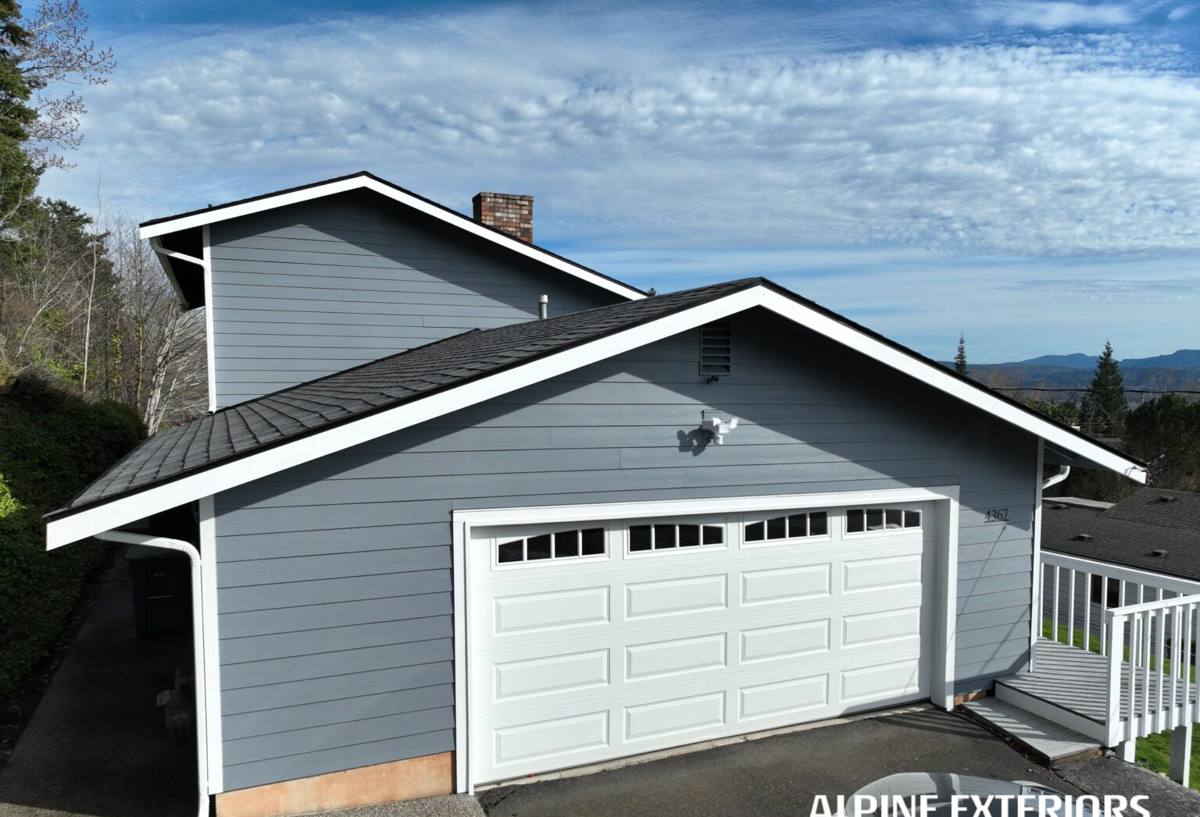
What Coastal Exposure Actually Does to a Roof
It helps to be specific about the mechanisms, because "salt air is bad for roofs" is true but vague. Here's what's actually happening on a Shore Acres roof over time:
Salt Air and Metal Components
Every roofing system has metal in it somewhere — flashing, drip edge, fasteners, vent stacks, sometimes the whole roof if it's a metal system. Airborne salt accelerates corrosion on unprotected or poorly coated metal, and it doesn't take a beachfront lot to matter; homes a mile or more from open water still see it. This is why fastener grade and flashing material aren't places to cut corners near the water.
UV and Heat Cycling
Florida sun is intense and consistent almost all year, and a roof deck can swing through a wide temperature range between a hot afternoon and an overnight thunderstorm. That cycling stresses shingles, sealant strips, and underlayment over time, and it's a major factor in how fast asphalt shingles lose granules and flexibility.
Wind-Driven Rain
Straight-down rain is easy for any roof to shed. Wind-driven rain, which is common during Gulf storms and even routine summer squalls off the bay, pushes water sideways and upward under shingle edges, around penetrations, and into any gap in the flashing. A roof can look fine from the ground and still be taking on water at the deck if flashing details were rushed during installation.
Storm Wind Loading
Pinellas County is in a high wind-load zone under the Florida Building Code, and roofs here have to be designed and fastened to resist uplift, not just shed water. This affects everything from nail pattern and fastener count to how the roof edge and ridge are detailed.
What a Correct New Roof Installation Involves
A new roof is a system, not a single product. Skipping or shortcutting any layer weakens the whole thing, even if the shingles or panels on top look great. On every install we do, this includes:
- Deck inspection and repair — replacing any rotted, delaminated, or soft decking before anything goes on top of it
- Underlayment matched to the roof type and slope — synthetic or self-adhered membrane in valleys, penetrations, and other high-water-exposure areas
- Metal flashing at every transition — valleys, walls, chimneys, skylights, and roof-to-wall junctions, not just caulk over a gap
- Fastening to current wind-uplift requirements — correct nail or screw count, placement, and penetration depth for the wind zone
- Proper ventilation — intake and exhaust balanced so heat and moisture don't build up in the attic
- Drip edge and edge metal on every rake and eave, sized and fastened to hold in high wind
- Manufacturer-compliant installation so the material warranty is actually valid if something goes wrong later
A roof that gets all of this right costs more upfront in labor and materials than one that doesn't. It also lasts longer, leaks less, and holds up better in the next storm — which is the entire point of a new roof in a place like Shore Acres.
Choosing a Roofing Material for a Waterfront-Adjacent Home
There isn't one "correct" material for every Shore Acres roof — it depends on your home's structure, your budget, and how long you plan to stay in the house. What we can tell you honestly is how each option performs against the specific conditions this neighborhood deals with.
| Material | Typical Lifespan | Coastal/Wind Performance | Maintenance |
|---|---|---|---|
| Architectural asphalt shingle | 20–30 years | Good when rated and installed for high-wind zones; relies heavily on correct fastening and sealant strip adhesion | Periodic inspection; granule loss over time from UV |
| Standing seam metal | 40–50+ years | Excellent wind uplift resistance with proper clip spacing; needs quality coatings and fasteners to resist salt corrosion | Low; occasional fastener and seam checks |
| Concrete or clay tile | 40–50+ years | Heavy and wind-resistant when correctly fastened, but individual tiles can crack from impact or foot traffic | Moderate; underlayment beneath tile typically needs replacement before the tile itself |
We'll walk you through what's realistic for your specific roof structure and budget rather than pushing whatever's easiest for us to install. If a product isn't a good fit for a particular home — for example, a heavier tile system on framing that wasn't designed for that load — we'll say so up front.
Permitting and Code Compliance in Pinellas County
New roof installations in St. Petersburg require a permit and inspection through the local building department, and Pinellas County enforces Florida Building Code wind-load and fastening standards that are stricter than what you'll find in a lot of inland states. This isn't paperwork for its own sake — it's the mechanism that confirms a roof was actually built to hold up in a real storm, not just built to look finished.
Working this area regularly means we know the permitting process, the inspection expectations, and the documentation homeowners need for insurance purposes after the job is done. That last part matters more than people expect — insurers increasingly want proof of a compliant, permitted installation, and having that paperwork in order from day one saves headaches later.
Our Process, Start to Finish
- On-site inspection — we look at the current roof, the deck condition where visible, attic ventilation, and any signs of past leaks or storm damage
- Honest recommendation — repair versus replacement, and which materials make sense for your home and budget
- Written estimate — clear scope, materials, and pricing before any work starts
- Permitting — we pull the required permit and schedule inspections with the county
- Tear-off and deck inspection — old roofing removed, deck checked and repaired as needed
- Installation — underlayment, flashing, ventilation, and the finished roofing material installed to code and manufacturer spec
- Cleanup — job site and yard cleared of debris and old materials
- Final walkthrough and inspection — we review the finished roof with you and make sure county sign-off is complete
Signs a Shore Acres Roof Needs Replacement, Not Another Repair
Not every roofing problem calls for a full replacement — sometimes a targeted repair is the honest answer. But there's a point where repeated repairs cost more over time than doing the job right once. Watch for:
- Shingles that are curling, cracking, or losing granules across large sections of the roof, not just one spot
- Recurring leaks in different locations after previous repairs
- Visible sagging anywhere on the roofline
- Daylight visible through the roof deck from inside the attic
- A roof approaching or past 20–25 years old with no major work done
- Missing or lifted shingles after any significant wind event
- Rising insurance premiums or a carrier flagging roof age or condition
Why Hiring a Crew That Already Works This Neighborhood Matters
Roofing quality comes down to the details — flashing, fastening, ventilation, and code compliance — and those details get easier to get right when a crew has done them repeatedly on similar homes in similar conditions. A contractor who regularly works Shore Acres and the surrounding St. Petersburg neighborhoods isn't guessing at how a roof will hold up against salt air and coastal wind; they've seen the roofs that were installed correctly ten years ago and the ones that weren't, and they know which installation habits actually hold up here.
There's also a practical side to this. A local crew can respond faster if something needs attention after a storm, is familiar with the county's permitting office and inspection timelines, and isn't learning Pinellas County's wind-load requirements for the first time on your roof.
If your roof is aging, was damaged in a storm, or you're just trying to plan ahead before it becomes an emergency, we're happy to take a look and give you a straight answer. Use the form below to request a free, no-pressure estimate for your Shore Acres home.