 St. Petersburg
 Storm Damage Roof Repair for Shore Acres Homes
Shore Acres sits close to Tampa Bay, which means the roofs here take a different kind of beating than homes further inland in Pinellas County. Waterfront and near-waterfront exposure adds salt-laden air and steady wind loading on top of everything every St. Petersburg roof already deals with — intense UV, sudden downpours, and the wind-driven rain that comes through with any tropical system or strong summer storm cell. When a roof in this neighborhood takes storm damage, the repair has to account for all of that, not just patch what's visibly broken.
This page covers what storm damage actually looks like on Shore Acres roofs, what a correct repair involves, and how our process works when a homeowner in this area calls us after a storm.
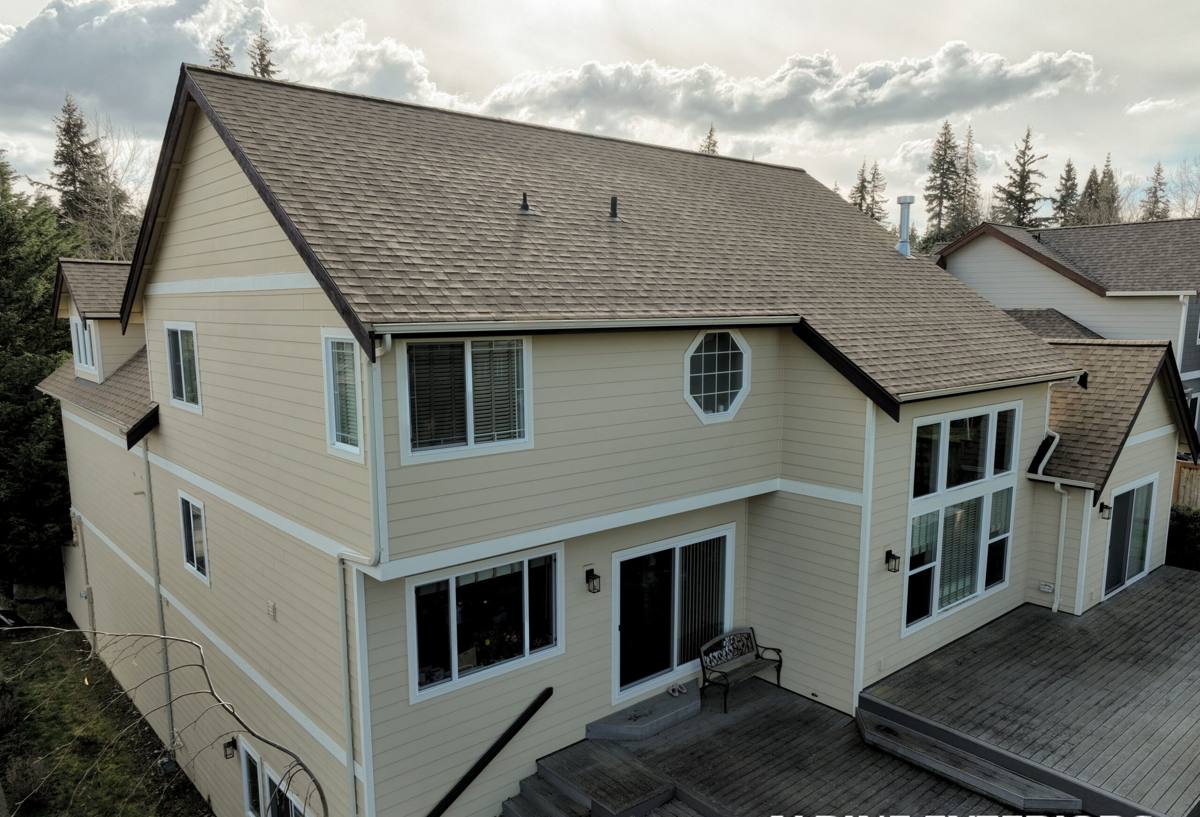
Why Shore Acres Roofs Take Storm Damage Differently
Shore Acres is a low-lying, water-adjacent neighborhood. That combination matters for roofing in a few concrete ways:
- Wind exposure: Homes closer to open water and canals see less wind break than roofs shielded by dense tree cover or tightly packed housing further inland. Gusts can lift shingle edges and flashing that would stay put on a more sheltered roof.
- Salt air corrosion: Metal fasteners, flashing, and exposed metal roof panels near the water corrode faster. A fastener that's rusted and weakened before a storm even hits is far more likely to fail during one.
- Wind-driven rain intrusion: Storms here rarely just drop rain straight down — wind pushes it sideways, up under shingle tabs, and into any gap in flashing or vent boots that a calm-weather rain would never reach.
- Ponding and drainage stress: Low elevation means yards and sometimes roof drainage systems stay saturated longer after heavy rain, which extends the time water has to find its way into small openings.
None of this means Shore Acres homes are more fragile — it means the repair standard has to be higher, because the environment gives a marginal repair less room for error.
What Storm Damage Actually Looks Like
Visible damage
Missing, cracked, or curled shingles; lifted or torn ridge caps; dented or creased metal panels; bent or blown-off flashing around chimneys, skylights, and roof-to-wall transitions; and debris impact marks from tree limbs or wind-carried objects.
Damage that isn't visible from the ground
This is where most storm-damage mistakes happen. A roof can look intact from the driveway and still have:
- Lifted shingle tabs with broken seal strips that haven't fully separated yet
- Nail heads backed out or popped by wind uplift, sitting under a shingle that looks fine
- Cracked pipe boots or vent flashing that let water in only during wind-driven rain
- Saturated underlayment or decking that hasn't shown an interior stain yet
- Granule loss that's stripped a shingle's UV protection without an obvious hole
A roof that "looks fine" after a storm can still be leaking into the deck for weeks before it shows up as a ceiling stain. That's why we inspect the whole roof system, not just the spot that prompted the call.
Our Inspection and Repair Process
1. Ground and roof-level assessment
We look at the whole roof, not just the area a homeowner flags. Storm damage often shows up in more than one location — a lifted ridge cap on one slope and a cracked pipe boot on another are common together after the same event.
2. Documented findings
We photograph and note every issue found, including damage that isn't leaking yet but will if left alone. This documentation is also what an insurance adjuster needs to see, so we build the inspection with that in mind from the start.
3. Repair scope and options
We explain what needs to be done, why, and what happens if it's deferred. Not every storm-damaged roof needs full replacement — a lot of storm damage is legitimately repairable if it's caught and addressed correctly and promptly.
4. The repair itself
Depending on the damage, this can include replacing individual shingles matched to the existing roof, resetting or replacing flashing and pipe boots, securing or replacing ridge caps, addressing exposed or damaged decking, and re-sealing transitions that took on wind-driven rain.
5. Final check
Before we consider the job done, we verify the repair against the surrounding roof system — a patch that's correct on its own but doesn't tie in properly with adjacent flashing or shingle courses just creates the next leak point.
Materials and Fasteners: Why Salt-Air Exposure Changes the Standard
In a coastal-adjacent neighborhood like Shore Acres, the fasteners and flashing metal used in a repair matter more than they would inland. Standard galvanized fasteners can corrode faster this close to the bay, which is why we favor corrosion-resistant fasteners and flashing appropriate for coastal exposure on repair work in this area. It costs a little more up front and saves the homeowner from the same repair failing again in a few years because the hardware gave out before the roofing material did.
Common Repair Scenarios and What They Involve
| Damage Type | Typical Cause | Repair Approach |
|---|---|---|
| Missing/lifted shingles | Wind uplift, broken seal strips | Replace matched shingles, reseal adjacent tabs |
| Cracked pipe boots | UV aging plus wind-driven rain intrusion | Replace boot, check surrounding decking for moisture |
| Bent/lifted flashing | Wind uplift at roof-to-wall or chimney transitions | Re-fasten or replace with corrosion-resistant flashing |
| Granule loss / bruising | Wind-carried debris impact | Assess remaining UV protection; spot repair or plan replacement timing |
| Saturated decking | Prolonged undetected leak after storm | Cut out and replace affected decking before re-covering |
Insurance and Documentation
Storm damage claims move faster and more smoothly when the documentation is thorough and specific to what actually happened to the roof. We provide photo documentation and a written scope of the damage and repair, which homeowners can submit with their claim. We don't process claims on a homeowner's behalf, but we make sure the paperwork we hand over gives an adjuster what they need to evaluate the claim fairly and accurately.
What to Do Immediately After Storm Damage
- Photograph visible damage from the ground if it's safe to do so — don't get on the roof yourself
- Note the date and general conditions of the storm event
- Address active interior leaks with a temporary catch to limit interior damage
- Avoid tarping or covering damage yourself unless it's necessary to stop active water intrusion — tarping incorrectly can sometimes complicate a claim or trap moisture
- Call for an inspection before assuming the damage is cosmetic only
- Keep any receipts for emergency measures taken, in case they're needed for a claim
Why Timing Matters More on the Water
A roof issue that would sit fine for a few weeks inland doesn't get the same grace period this close to Tampa Bay. Humidity stays higher, saturated ground means yard and gutter drainage clears slower, and the next system often follows before the last one's damage has been addressed. A cracked pipe boot found and fixed within days is a small repair. The same crack left through two more rain events, and now there's decking and possibly insulation to replace too. Shore Acres homeowners who get an inspection soon after a storm — even when nothing looks obviously wrong — consistently end up with smaller, cheaper repairs than those who wait for a ceiling stain to force the issue.
Why It Matters That We Already Work in Shore Acres
A crew that already works this neighborhood knows what its roofs are up against without having to guess. We've seen how quickly hardware corrodes this close to the water, what wind-driven rain does to flashing at roof-to-wall transitions on the home styles common here, and where storm damage tends to hide on this area's roof lines. That local pattern recognition is the difference between a repair that addresses the actual cause and one that just patches the symptom that happened to be visible.
Working in Pinellas County day in and day out also means we're not guessing at what a Shore Acres roof looked like before the storm — we know the baseline condition typical of homes in this area, which makes it easier to spot what's actually new damage versus pre-existing wear when documenting for a claim.
Get a No-Pressure Roof Inspection
If your Shore Acres home took wind or rain damage in a recent storm — or you're just not sure whether it did — a proper inspection is worth the half hour it takes. We'll tell you honestly what we find, what needs attention now versus what can wait, and what a correct repair involves. Fill out the form below for a free estimate; there's no obligation and no pressure.