 St. Petersburg
 Why Seminole Homes Go Through Siding Faster Than Most
Seminole sits close enough to the Gulf and to the Intracoastal that homes here take on a combination of stresses most inland siding never has to deal with. Salt-laden air corrodes fasteners and trim, wind-driven rain forces water sideways into seams and laps that were only ever designed to shed water falling straight down, and Florida's year-round UV load bakes paint, caulk, and lesser siding materials from the outside in. Add hurricane-force wind events that put real uplift and impact load on exterior walls, and it's easy to see why siding that performs fine in a milder climate can fail early here.
None of this means Seminole homes need something exotic. It means the material and the installation both need to be matched to the environment they're actually going into, not the environment a national product spec was written for in a test lab somewhere else.
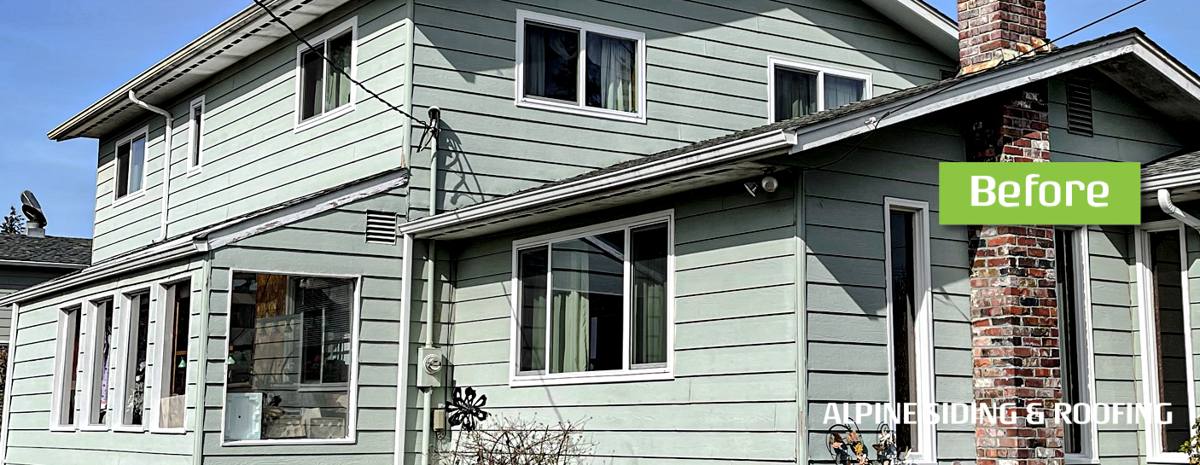
What Local Conditions Actually Do to Siding
- Wind-driven rain pushes water up and under laps, seams, and trim joints that gravity-only siding wasn't detailed to resist.
- Salt air accelerates corrosion on fasteners, trim screws, and any exposed metal flashing, which is often where a siding system fails first.
- Intense UV exposure breaks down paint film, caulk, and the surface of some composite and wood-based products years ahead of their rated life.
- Humidity swings between wet season and dry season expand and contract wood-based products, opening joints and encouraging rot at cut edges.
- Wind events test not just the siding material but every fastener, nail pattern, and piece of flashing behind it.
Signs a Seminole Home Needs Siding Replacement, Not Just Repair
Spot repairs make sense when the damage is limited and the rest of the siding is sound. Replacement becomes the right call once the underlying material itself, not just a section of it, is compromised.
- Soft, spongy, or crumbling siding when pressed, especially near the bottom courses and around windows
- Paint that keeps failing within a year or two of repainting, no matter how good the paint job was
- Visible warping, bowing, or buckling panels, particularly on the sides that catch the most sun and rain
- Persistent staining or dark streaking at seams that points to water getting behind the siding, not just sitting on top of it
- Rot at butt joints, corners, or anywhere siding meets trim, window frames, or the foundation
- Rising energy bills that track with visible siding damage, suggesting the water and air barrier behind it has been compromised
What a Correct Siding Replacement Actually Involves
Siding replacement is not just pulling off old material and nailing up new panels. Done right, it's a full envelope job, and skipping any of these steps is how a brand-new siding job ends up failing in five years instead of thirty.
Tear-Off and Substrate Inspection
Once the old siding is off, the sheathing underneath gets inspected for rot, delamination, or water damage that was hidden behind the old material. This is the point where problems that have been building for years finally become visible, and it's also the cheapest point to fix them, since the wall is already open.
Moisture Barrier and Flashing
A correctly installed weather-resistant barrier and properly lapped flashing at every window, door, and penetration is what actually keeps wind-driven rain out of the wall assembly. The siding itself is the second line of defense, not the first. This detail work is exactly where a lot of siding failures start, and it's invisible once the job is finished, which is why it matters who's doing it and not just what material they're using.
Fastening to Spec
Fiber cement siding has manufacturer-specified fastener types, spacing, and placement, and those specs change depending on wind zone. A home in Seminole should be fastened to the requirements for its actual exposure and wind load, not a generic minimum. Under-fastened siding is one of the most common causes of wind damage in coastal Florida wind events.
Finish and Sealant
Factory-applied finishes hold up dramatically better under UV and salt exposure than field-applied paint, because the coating is cured under controlled conditions rather than drying on the wall in Florida humidity. Sealant is used at specific joints per manufacturer detail, not smeared across every seam as a substitute for proper flashing.
Why We Install Only James Hardie Fiber Cement
We made the call some time ago to install exclusively James Hardie fiber cement siding, and we don't install vinyl, LP SmartSide, Cemplank, Allura, or primed wood products. That's a narrower lineup than a lot of contractors offer, and we think that's the point rather than a limitation.
Fiber cement is non-combustible, which matters both for insurance conversations and for straightforward safety. Hardie's ColorPlus factory finish is baked on and warranted against fading and peeling in a way field-applied paint can't match, which is a real advantage in a climate that puts more UV load on exterior surfaces than most of the country sees. Hardie also engineers specific product lines, including HZ5 formulations, for high-humidity, hurricane-exposed regions like ours, rather than selling one national product everywhere. It carries a strong transferable warranty when installed to spec, which protects both the current owner and resale value.
None of that is a knock on every alternative on the market outright — vinyl is inexpensive and low-maintenance for mild climates, and wood-based composites have a real place in drier regions. We simply don't think they hold up to the specific combination of wind, salt, UV, and moisture that Seminole and the rest of Pinellas County deal with every year, and we'd rather install one product well than install several products we don't fully stand behind.
How Siding Materials Compare for This Climate
| Factor | James Hardie Fiber Cement | Vinyl Siding | Wood-Based Composite (LP-type) |
|---|---|---|---|
| Wind/impact resistance | High, engineered for coastal wind zones | Can crack or blow off in high wind, especially older/thin gauges | Moderate, depends on installation and moisture condition |
| Moisture behavior | Does not rot; engineered for humid climates | Doesn't rot itself, but traps moisture behind it if installed poorly | Vulnerable to swelling and rot if the surface is breached |
| UV/fade resistance | Factory ColorPlus finish, warranted against fading | Can fade and become brittle over time in intense sun | Field-applied paint fades and requires more frequent repainting |
| Fire performance | Non-combustible | Combustible | Combustible |
| Maintenance | Low; occasional wash and caulk check | Low, but repairs can be hard to color-match | Moderate to high; painting and edge sealing needed |
Our Process, Start to Finish
- Free on-site inspection of the existing siding, trim, and any visible moisture damage
- Honest assessment of whether repair or full replacement makes sense for your home
- Written estimate detailing product line, color, trim work, and scope, with no vague allowances
- Tear-off and substrate inspection, with photos and a direct conversation if we find hidden damage
- Moisture barrier, flashing, and Hardie siding installation to manufacturer spec for our wind zone
- Final walkthrough so you can see the completed work and ask questions before we consider the job done
What Drives the Cost of a Siding Replacement
| Cost Factor | Why It Matters |
|---|---|
| Home size and number of stories | More square footage and higher walls mean more material and labor, plus added access equipment for multi-story sections |
| Condition of the substrate | Rotted sheathing found during tear-off adds repair cost but is far cheaper to fix now than after new siding is up |
| Trim and architectural detail | Homes with more corners, windows, and trim transitions take more labor time per square foot than a simple rectangular footprint |
| Siding profile and finish selection | Lap width, texture, and color all come at different price points within the Hardie product line |
| Removal and disposal of old siding | Full tear-off and haul-away of old material is factored into scope, not treated as an afterthought |
Why It Matters Who Installs It
Fiber cement siding is only as good as the installation behind it. Fastener spacing, flashing details, and clearances above grade and around penetrations are all things a manufacturer's warranty can actually be voided over if they're done wrong, and they're also exactly the details that determine whether a home holds up through the next major wind event. A crew that regularly works in Seminole and the surrounding St. Petersburg area already understands the wind exposure, the salt air, and the way Gulf-adjacent humidity behaves against a wall assembly, instead of applying a generic installation approach and hoping it holds.
Local, ongoing presence also matters after the job is done. A contractor who's still working in your neighborhood next year is a contractor who's easy to reach if a question comes up, and one who has a real reputation to protect on every job, not just the one in front of them.
Get a Straight Answer About Your Siding
If your Seminole home's siding is showing its age, or you just want an honest read on whether repair or full replacement is the right move, we're glad to take a look. The estimate is free, there's no pressure, and you'll get a clear explanation of what we see and why. Fill out the form below to get started.