 St. Petersburg
 Siding That Has to Work in Seminole's Climate
Seminole sits close enough to the Gulf that salt air, humidity, and wind are part of daily life, and far enough inland that homeowners sometimes assume they've dodged the worst of it. They haven't. Homes in this part of Pinellas County still take a beating from hurricane-force wind gusts, wind-driven rain that gets pushed sideways into seams and laps, and year-round UV exposure that most siding products in the country never have to withstand. Add in salt-laden air moving off the Gulf and Tampa Bay, and you have a combination that tests every layer of a siding system — the panel itself, the fasteners, the flashing, and the installation details that either shed water or trap it.
Siding installation in Seminole isn't a job you can approach the same way a contractor in a dry inland climate would. The margin for error is smaller. A gap left at a butt joint, a nailing pattern that's too loose, or a house wrap detail that's slightly off won't just look bad — it will let water in, and in this climate, trapped moisture behind siding turns into rot, mold, and expensive repairs faster than most homeowners expect.
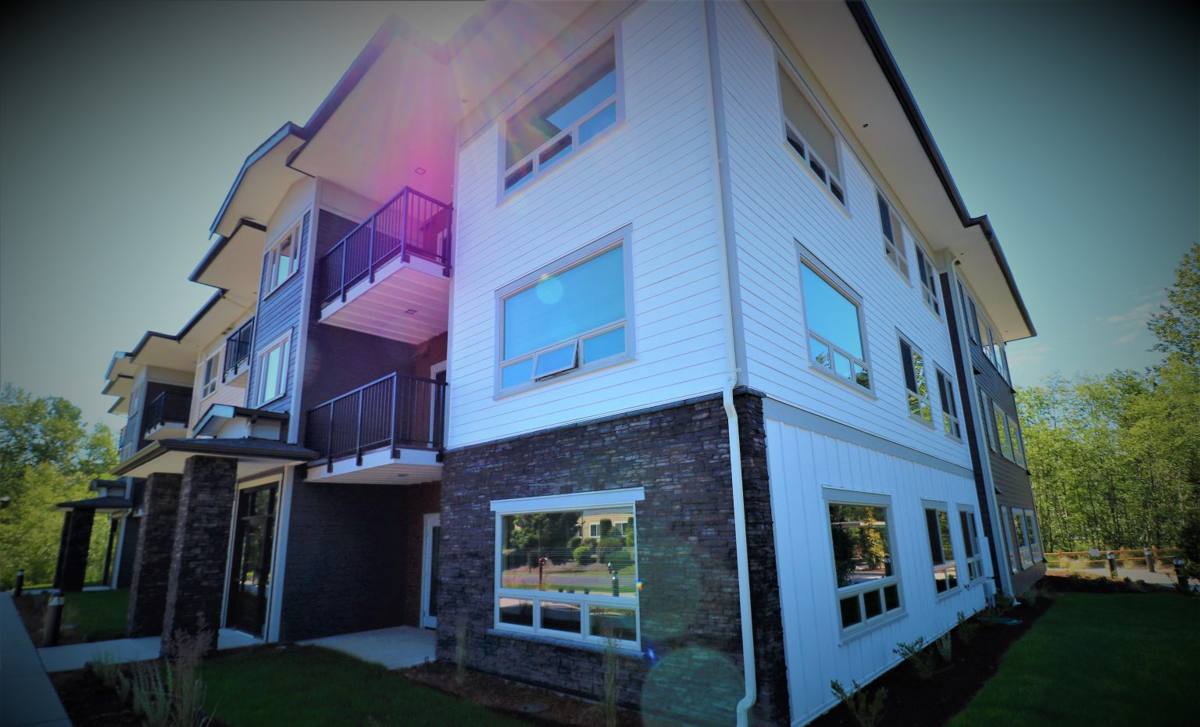
What a Correct Siding Installation Actually Involves
A lot of siding jobs look fine from the curb for the first year or two and then start showing problems — buckling, staining, soft spots, nail pops — once the substrate underneath has taken on moisture. The difference between a siding job that lasts decades and one that fails early almost always comes down to what's happening underneath the visible surface.
The Water Management Layer
Before a single piece of siding goes up, the wall needs a properly lapped weather-resistant barrier, correctly integrated flashing at every window, door, and penetration, and attention to how water will move down and off the wall rather than getting trapped behind the cladding. This is the layer that does the real work in wind-driven rain, and it's also the layer that's invisible once the job is finished — which is exactly why it's the layer some installers rush.
Fastening and Fit
Fiber cement siding has manufacturer-specified nailing patterns, fastener types, and clearances for a reason — get them wrong and you compromise both the wind rating and the warranty. In an area that sees hurricane-force gusts, correct fastening isn't a technicality, it's what keeps the siding on the wall during a storm.
Joints, Caulking, and Trim
Every butt joint, corner, and trim intersection is a potential entry point for water. Correct installation means proper gapping, the right sealant used in the right place (and not as a substitute for proper flashing), and trim details that shed water outward instead of channeling it into the wall assembly.
Why We Install James Hardie Fiber Cement — and Nothing Else
We install James Hardie fiber cement siding exclusively. We don't offer vinyl, LP SmartSide, Cemplank, Allura, primed spruce, or cedar, and that's a deliberate standard, not a limitation of what we're capable of installing.
Vinyl siding is affordable and easy to install, but it's also a plastic product that can soften, warp, or become brittle under sustained heat and UV, and it's rated for wind speeds that can be marginal for this part of Florida depending on the profile and fastening. Engineered wood products like LP SmartSide perform well in many climates, but wood-based substrates are inherently more sensitive to sustained moisture exposure than fiber cement, and Gulf Coast humidity plus wind-driven rain is a tough combination for any wood-based product to manage over decades. Other fiber cement brands compete on price, but James Hardie's HZ5 product line is specifically engineered for humid, high-moisture climates, with a factory-applied ColorPlus finish designed to resist fading from intense, near-constant Florida sun far longer than field-applied paint.
Fiber cement is non-combustible, dimensionally stable in heat and humidity swings, and holds up to salt air without the surface degradation some other claddings experience over time. James Hardie backs its products with a strong transferable warranty, but that warranty is only meaningful if the installation itself follows the manufacturer's specifications — which is the entire reason correct installation matters as much as the product choice.
James Hardie vs. Common Alternatives
| Factor | James Hardie Fiber Cement | Vinyl | Wood / Engineered Wood |
|---|---|---|---|
| Wind performance | Engineered and rated for high-wind installation | Varies widely by profile and gauge | Depends on substrate and fastening |
| Moisture behavior | Non-combustible, dimensionally stable | Doesn't rot but can warp under heat | Sensitive to sustained moisture exposure |
| UV / color retention | Factory ColorPlus finish, fade-resistant | Can fade and become brittle over time | Requires ongoing repainting/staining |
| Salt air exposure | Holds up well long-term | Generally stable but can chalk | Can accelerate surface wear |
| Maintenance | Low — occasional wash and caulk check | Low but limited repair options | Higher — recoating and moisture checks |
Signs a Seminole Home Needs New Siding
- Visible warping, buckling, or waviness in siding panels
- Soft or spongy spots when pressed, especially near the bottom of walls
- Persistent staining or streaking that won't wash off
- Peeling or bubbling paint, especially on south- and west-facing walls that take the most sun
- Gaps opening at seams, corners, or trim
- Rising cooling bills that suggest the wall assembly is no longer performing
- Visible rot, mold, or a musty smell near exterior walls
Our Installation Process
Every Seminole project starts with an on-site assessment, not a generic estimate. We look at the current siding and substrate condition, existing moisture damage, window and door flashing, and any areas where the home's exposure to wind or sun is more severe than average.
- Tear-off and substrate inspection — remove existing siding and check the sheathing underneath for rot or water damage before anything new goes up.
- Repair and prep — replace any compromised sheathing and correct any structural issues found during tear-off.
- Weather barrier and flashing — install a properly lapped water-resistant barrier and correctly integrated flashing at all penetrations.
- Hardie panel installation — install James Hardie siding to manufacturer specification, including nailing pattern, clearances, and joint treatment appropriate for this region's wind exposure.
- Trim, caulking, and finish details — finish corners, trim, and joints so water is directed away from the wall assembly, not into it.
- Final walkthrough — inspect the completed job with the homeowner before considering the project finished.
What Drives Cost
| Factor | Why It Matters |
|---|---|
| Home size and wall complexity | More corners, gables, and dormers mean more cutting, flashing, and labor time |
| Current substrate condition | Rot or water damage found during tear-off requires repair before new siding goes on |
| Hardie product line and profile selected | HZ5 lines, plank width, and texture options affect material cost |
| Trim and detail work | Custom trim, window surrounds, and corner treatments add labor |
| Access and site conditions | Landscaping, fencing, and lot layout can affect staging and labor time |
We don't quote a number without seeing the house first — anyone who does is guessing, and Seminole homes vary enough in age, construction, and prior repair history that a fair estimate has to be specific to your property.
Why It Matters That We Already Work in Seminole
A crew that regularly works in this part of Pinellas County already understands local wind-load requirements, knows what permitting looks like for exterior work in the area, and has seen firsthand how homes here age under salt air and sun. That familiarity shows up in small decisions throughout a project — how flashing is detailed on a west-facing wall that takes brutal afternoon sun, how joints are treated on a home a few blocks from open water versus one further inland, how a job is sequenced around Florida's rainy season.
It also matters for something less visible but just as important: accountability. A contractor who works in your neighborhood regularly has a reputation to protect there. That's a different incentive than an out-of-area crew passing through for a single job.
What to Ask Before Hiring Anyone for Siding Work
- Are you licensed and insured to work in Pinellas County?
- What fiber cement product line do you install, and why?
- How do you handle flashing and water management, specifically?
- What does your warranty cover, and does it match the manufacturer's requirements?
- Can you walk me through your process for a home with existing moisture damage?
Living with Your New Siding
James Hardie siding is low-maintenance compared to wood or vinyl, but "low-maintenance" doesn't mean "no maintenance." An occasional gentle wash removes salt residue and airborne grime before it builds up, and a yearly visual check of caulking and joints catches small issues before they become water intrusion problems. Beyond that, correctly installed Hardie siding is built to hold its color and shape through the heat, humidity, and storms that define a St. Petersburg-area summer without demanding much from the homeowner.
If your Seminole home's siding is showing its age, or you're planning ahead before storm season puts it to the test, we're happy to take a look and give you a straightforward, no-pressure estimate — no invented urgency, just an honest assessment of what your home actually needs.