 St. Petersburg
 Windows Built for Roser Park's Older Housing Stock
Roser Park is one of St. Petersburg's older residential neighborhoods, and homes here come with the kind of original wood-framed windows, plaster walls, and masonry openings you don't see in newer Pinellas County subdivisions. That's part of the neighborhood's character, and a lot of homeowners want to keep that look. But it also means window replacement here isn't a cookie-cutter job. Openings are often slightly out of square after decades of settling, original trim and casing may need to be preserved or matched, and the wall assemblies behind the window can be different from what you'd find in a house built in the 1990s or later.
On top of the age factor, St. Petersburg sits in a coastal wind zone that doesn't cut anyone a break. Hurricane-force gusts, wind-driven rain that gets pushed sideways into wall assemblies, intense year-round UV that breaks down seals and finishes, and salt air drifting in off Tampa Bay all work on a window at the same time, every year. A window installation that ignores any one of those factors — fastening pattern, flashing detail, glass rating, frame material — is a callback waiting to happen, whether the house is from 1920 or 2020.
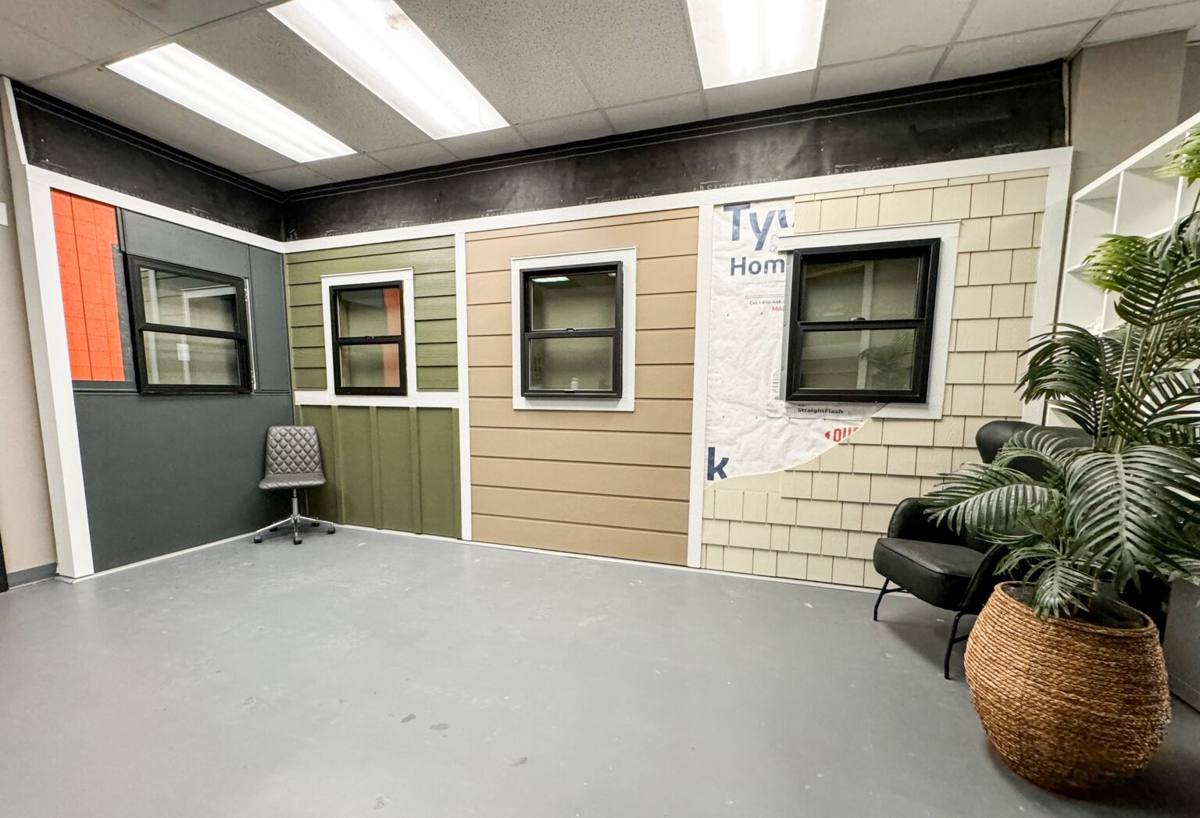
What "Correct" Actually Means for a Window Install
Window installation gets treated like a simple swap-and-caulk job more often than it should. Done right, it's closer to a small structural and weatherproofing project every time. The parts that actually determine whether a window survives fifteen years of Gulf Coast weather happen before the new window ever goes in the opening.
The Rough Opening
The opening has to be checked for level, plumb, and square, and for rot or moisture damage in the surrounding framing — especially common on older Roser Park homes where original wood sills and jambs have been exposed to decades of humidity and rain intrusion. Any soft or compromised wood gets addressed before a new window goes in. Installing a new window into a damaged opening just hides a problem that will show up again as a leak.
Flashing and Water Management
This is the single most important part of the job and the part most likely to get rushed. Proper flashing — sill pan, side flashing, and head flashing installed in the correct shingle-lap order — directs any water that gets past the window itself back out of the wall instead of into it. In a market where wind-driven rain regularly hits windows at an angle instead of straight-on, a flashing detail that would be adequate somewhere inland isn't always adequate here.
Fastening and Anchoring
The window has to be anchored per the manufacturer's tested installation instructions and to meet Florida Building Code wind-load requirements for this coastal zone. That means the right fastener type, spacing, and embedment into structural framing — not just a few screws wherever they're convenient.
Sealant and Insulation
Low-expansion foam or backer rod and sealant around the frame, plus quality exterior caulk at the trim joints, closes off air and water paths without bowing the frame out of square. Cheap or over-applied foam can actually distort a vinyl frame enough to affect operation.
Choosing Windows for a Coastal, Older-Home Neighborhood
There's no single "best" window for every house — the right choice depends on the home's age, your budget, and how much of the original character you want to keep.
Frame Material
Vinyl frames are the most common choice in this market: they don't rot, don't need repainting, and hold up well to humidity, though dark colors can absorb heat under Florida's sun. Aluminum frames are strong and slim-profile but conduct heat and can pit over time from salt air exposure if not properly coated. Fiberglass and composite frames cost more but resist warping and UV degradation better than either. Wood windows can be restored or replicated for homes where preserving an authentic historic look matters, but they need more upkeep near the coast.
Glass and Impact Rating
Impact-rated glass — laminated glass built to resist wind-borne debris — is worth serious consideration for any Pinellas County home, not just because of storm protection but because it also cuts noise and blocks a significant amount of UV. If impact glass isn't in the budget, code still requires either impact-rated windows or approved shutter protection for the opening in wind-borne debris regions, so that trade-off needs to be part of the conversation up front, not discovered after installation.
Low-E Coatings
A low-emissivity coating reflects solar heat before it enters the home, which matters in a climate where the AC is running most of the year. It also helps slow the UV degradation that fades flooring, furniture, and window seals themselves.
| Factor | Standard Vinyl, Non-Impact | Impact-Rated (Laminated Glass) |
|---|---|---|
| Storm protection | Requires shutters or panels to meet code | Built-in protection, no shutters needed |
| Noise reduction | Moderate | Significantly better |
| UV/fade protection | Standard glass, limited | Laminated interlayer blocks most UV |
| Upfront cost | Lower | Higher |
| Insurance impact | No credit | May qualify for wind mitigation discount |
| Long-term value | Lower resale draw | Higher, especially in coastal wind zones |
How We Approach a Roser Park Installation
- On-site assessment. We check every opening individually — square, framing condition, existing flashing (if any), and how the current window is performing — before recommending anything.
- Product selection. We walk through frame material, glass options, and impact rating trade-offs based on your budget and the home's age and style, without steering you toward the most expensive option by default.
- Permitting. St. Petersburg requires a permit for window replacement, and homes in a historic district may have additional review depending on visible exterior changes. We handle the permit process rather than leaving it to the homeowner.
- Removal and opening prep. Old windows come out carefully to protect surrounding trim and siding, and we inspect and repair the framing underneath before anything new goes in.
- Flashing and installation. Sill pan and flashing first, then the window is set, shimmed level and plumb, and anchored to code.
- Sealing and finish work. Insulation, sealant, and exterior trim work are completed and matched to the home's existing finish as closely as possible.
- Final inspection and walkthrough. We test operation, check the seal, and walk the job with you before we call it done.
Signs Your Windows Are Due for Replacement
- Visible fogging or moisture between panes of double-pane glass — the seal has failed and can't be repaired
- Windows that are hard to open, close, or lock, or that have swollen or warped in humid weather
- Soft, discolored, or rotting wood around the frame or sill
- Noticeable air movement or drafts near the frame when it's windy outside
- A jump in your cooling bills without an obvious cause
- Visible daylight or gaps around the frame from outside
- Chalking, pitting, or corrosion on aluminum frames from salt air exposure
- Single-pane glass with no impact protection in a home that's never been upgraded
Permits, Wind Zones, and Code Compliance in St. Petersburg
Pinellas County sits in a high-velocity hurricane zone, and the Florida Building Code sets specific wind-load and impact requirements for replacement windows here — these aren't the same requirements as a home a few hours inland. A permit is required for window replacement in St. Petersburg, and the work has to be inspected. Skipping the permit might save a few days up front, but it creates real problems later: an uninspected, non-permitted window installation can complicate a home sale, an insurance claim, or a future wind mitigation inspection. We pull the permit, coordinate the inspection, and make sure the finished work is documented, so there's a clean paper trail if you ever need it.
Why Hiring a Crew That Already Works Roser Park Matters
A contractor who's worked in this neighborhood before already knows what to expect from an opening in a house of this age — where rot tends to hide, how the original trim is typically detailed, and how to get a modern window into an older wall assembly without it looking bolted on. That familiarity shows up in fewer surprises during the job and a cleaner finished result. It also matters for the paperwork side: knowing St. Petersburg's permitting process and Pinellas County's wind zone requirements means the job gets done to code the first time, not re-inspected or corrected after the fact.
Local experience also means we're not guessing at how a product performs here. We've seen how different frame materials and glass packages hold up to a full year of Gulf Coast sun, salt air, and storm season in this specific area, and we'll tell you honestly what's worth the extra cost and what isn't for your particular home.
Caring for New Windows After Installation
A correctly installed window still needs basic upkeep to get its full service life out of this climate. Rinse frames and glass periodically to clear salt residue, especially if the home is closer to the water. Check exterior caulk lines once a year and have any cracking or separation resealed before it becomes a leak path. Keep an eye on weep holes in the frame — they need to stay clear so water can drain out instead of pooling. None of this is complicated, but it's the difference between a window that looks and performs well at year fifteen and one that starts failing at year five.
If your Roser Park home has windows that are drafty, hard to operate, showing seal failure, or simply original to a house that's never been updated, we're happy to take a look and talk through honest options for your budget and the home's age. Reach out for a free, no-pressure estimate using the form below.