 St. Petersburg
 Roof Repair Built for a Waterfront Neighborhood
Pinellas Point sits on a peninsula surrounded by water on three sides, which means homes here take on a different kind of wear than roofs a few miles inland. The same bay breezes that make the neighborhood desirable also carry salt air, near-constant humidity, and stronger sustained winds across the roof deck year-round. Add Florida's intense UV load and the sudden, heavy downpours that roll off Tampa Bay, and you have a combination that ages roofing materials faster than most homeowners expect. Roof repair here isn't just about patching a leak — it's about understanding how coastal exposure changes the way a roof fails and fixing it in a way that holds up to the next storm, not just the next dry spell.
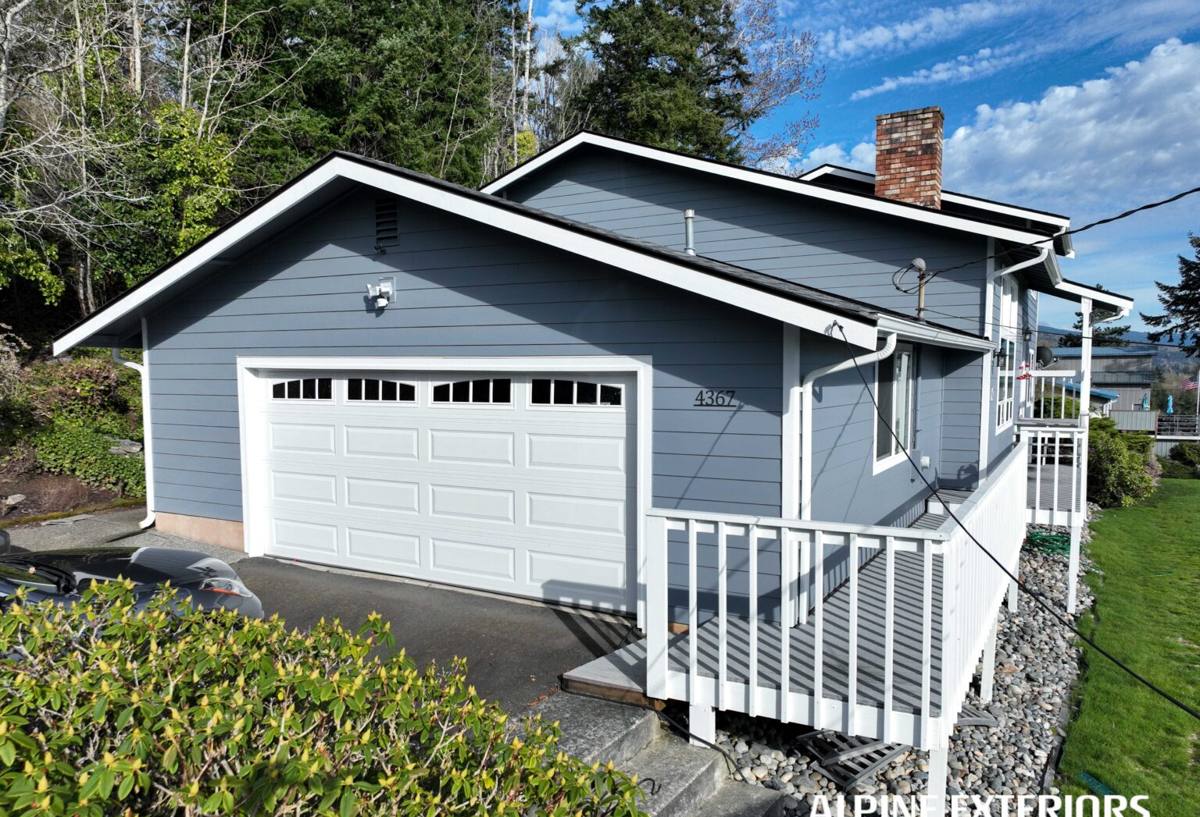
Why Pinellas County Roofs Fail the Way They Do
Every roof repair call in this area tends to trace back to one or more of the same root causes. Knowing them helps homeowners understand why a "small leak" is often a symptom of something bigger.
Hurricane-Force Wind and Wind-Driven Rain
Pinellas County sits directly in the path of tropical systems, and even storms that don't make direct landfall can push sustained winds strong enough to lift shingle tabs, work tile loose, or force rain sideways under flashing that would otherwise stay dry. Wind doesn't just tear roofing off — it works fasteners loose and opens tiny gaps that let water in long before anything looks visibly damaged from the ground.
Year-Round UV Exposure
Florida sun is harder on roofing than most other regions of the country. UV breaks down the asphalt oils in shingles, causing granule loss and brittleness, and it dries out sealant strips and pipe boot rubber faster than manufacturers' rated lifespans often assume. A roof that would last 20+ years in a milder climate can show real wear in half that time under constant Florida sun.
Salt Air Corrosion
Being close to Boca Ciega Bay and Tampa Bay means airborne salt settles on roofing metal — flashing, drip edge, fasteners, and vent stacks — and accelerates rust and corrosion. Once a fastener or flashing seam starts to corrode, it stops sealing the way it should, and that's exactly where leaks start.
Standing Water and Ponding
Heavy, fast-moving summer storms can overwhelm gutters and drainage on lower-slope sections, especially around additions, porches, or garages with flat or low-pitch roofing. Water that doesn't drain quickly finds every weak seam.
Signs a Pinellas Point Roof Needs Repair
- Water stains on interior ceilings or walls, especially after wind-driven rain
- Missing, cracked, curling, or lifted shingles — or cracked/slipped tiles
- Granules collecting in gutters or at downspout outlets
- Soft spots or sagging in the roof deck when walked (or observed from the attic)
- Rusted or visibly deteriorated flashing around chimneys, vents, or skylights
- Daylight visible through the roof deck from inside the attic
- Cracked or dried-out pipe boots and vent seals
- Musty odor or visible mold/mildew in the attic space
Any one of these on its own might be minor. Several together, or any sign after a wind event, is worth a professional look before the next storm finds the weak spot for you.
What a Correct Roof Repair Actually Involves
A durable repair is more than sealing the spot where water showed up inside the house. Water often travels along the underlayment or decking before it drips through, so the visible stain and the actual entry point can be several feet apart. A correct repair process includes:
- Finding the real source — tracing the leak path, not just patching where it appeared indoors
- Checking the decking — confirming the plywood or OSB underneath hasn't gone soft or delaminated from prolonged moisture
- Replacing damaged materials to match — shingles, tile, or flat roofing sections repaired with compatible material, not mismatched patches
- Restoring flashing and sealant properly — especially at penetrations (vents, chimneys, skylights) where most leaks actually originate
- Re-securing for wind resistance — fastening patterns that meet Florida's wind-uplift expectations, not just enough to hold until the next storm
Skipping any of these steps is how a homeowner ends up paying for the same "fixed" leak twice.
Our Roof Repair Process in Pinellas Point
We keep the process straightforward and honest, because roof repair is one of those services where trust matters as much as skill:
1. Inspection and Diagnosis
We inspect the full roof, not just the area near the reported leak — coastal wind and UV damage often shows up in more than one spot at a time. We check the attic side when accessible, since interior signs tell us as much as the shingles or tile do.
2. Clear Explanation and Estimate
We explain what we found, what's causing it, and what it will take to fix — in plain language, with a written estimate before any work starts. If the roof is at the point where repair no longer makes sense compared to replacement, we'll tell you that directly instead of patching around a bigger problem.
3. The Repair Itself
We match materials as closely as possible, address the underlying cause (not just the symptom), and restore flashing and fastening to standards appropriate for a coastal, high-wind location.
4. Final Check
Before we consider the job done, we walk the repaired area and surrounding roof to confirm everything is sealed, secured, and draining the way it should.
Repair vs. Replacement: How We Help You Decide
Not every roof problem needs a full replacement, and not every leak should be treated as "just a repair." The honest answer depends on the roof's age, how widespread the damage is, and what's happening underneath the surface.
| Factor | Points Toward Repair | Points Toward Replacement |
|---|---|---|
| Roof age | Roof is well within its expected service life | Roof is near or past the upper end of its material's lifespan |
| Extent of damage | Isolated area — one section, one penetration, storm damage limited in scope | Multiple areas failing, or damage spread across large sections |
| Decking condition | Deck is solid, dry, and undamaged | Deck shows soft spots, rot, or repeated moisture exposure |
| Material availability | Matching shingles/tile are still available or close enough | Original material is discontinued and mismatches would be obvious |
| Repair history | First repair, or first in a long time | Same area has been repaired more than once already |
We'll walk you through where your roof falls on this list rather than defaulting to whichever option is more profitable for us. A well-executed repair on a sound roof can buy years of reliable service.
Working With Different Roofing Materials
Pinellas Point homes come with a mix of roofing types, and each one has its own repair considerations:
Asphalt Shingle
The most common repair here involves replacing wind-lifted or missing tabs, resealing exposed nail heads, and addressing granule loss around valleys and penetrations where water concentrates.
Tile
Tile roofs are durable against UV and salt air, but individual tiles crack or slip out of place in high wind. Repair usually means carefully removing and replacing broken tiles without disturbing the surrounding field, and checking the underlayment beneath — which does the real waterproofing work and has its own service life independent of the tile itself.
Flat and Low-Slope Sections
Common on porches, additions, and garages, these sections rely on membrane or built-up roofing that needs correct drainage and seam integrity. Ponding water and seam failures are the top repair issues we see on these areas.
Storm Damage and Insurance Considerations
Because Pinellas Point's exposure means wind and rain events are a real factor, we document damage clearly — with dated photos and a written scope of work — so homeowners have what they need if they're filing an insurance claim. We won't tell you what your insurer will or won't cover, but we will give you an honest, accurate assessment of the damage itself, which is the foundation of any legitimate claim.
Why It Matters to Hire a Crew That Already Works This Neighborhood
A roofer who regularly works Pinellas Point and the surrounding St. Petersburg area understands the specific stresses coastal exposure puts on a roof — how salt air accelerates flashing corrosion, how a peninsula location changes wind loading, and how the local building and permitting requirements apply to repair work in Pinellas County. That local familiarity means fewer surprises, a faster accurate diagnosis, and a repair that's built for the conditions your roof actually faces rather than a generic fix.
Keeping a Pinellas Point Roof Ahead of the Next Storm
Regular attention catches small problems before they become expensive ones. A simple maintenance checklist for homeowners in this area:
- Visually inspect the roof after any significant wind event or storm
- Clear gutters and downspouts regularly so water drains instead of pooling
- Trim back tree limbs that overhang the roofline
- Check attic spaces periodically for stains, daylight, or musty odors
- Have a professional inspection at least once a year, and always after a hurricane or tropical storm passes through the area
- Address minor issues promptly — a small repair now is almost always cheaper than water damage later
If you're noticing a leak, storm damage, or just want an honest assessment of where your roof stands, we're happy to take a look. Request a free, no-pressure estimate using the form below, and we'll give you a straight answer about what your Pinellas Point roof actually needs.