 St. Petersburg
 Pinellas Park Siding Has to Work Harder Than Siding Almost Anywhere Else
Pinellas Park sits in the middle of Pinellas County, close enough to Tampa Bay and the Gulf that homes here take on the same weather load as coastal properties, even without a water view. Over a normal year, exterior walls get hit with intense UV exposure, sudden downpours driven sideways by wind, and salt-laden air moving in off the water. Every few years, a tropical system or hurricane adds sustained high winds and hours of wind-driven rain on top of that baseline. Siding here is not decorative — it is the first line of defense for the wall assembly behind it, and it needs to be chosen and installed with that job in mind.
A lot of siding failures we get called out to inspect in this area were never really about a bad storm. They were about a product or installation that was marginal from day one, and the first serious weather event just exposed it. That is the lens we bring to every Pinellas Park siding job: what does this wall actually need to survive here, not just look good on a calm day.
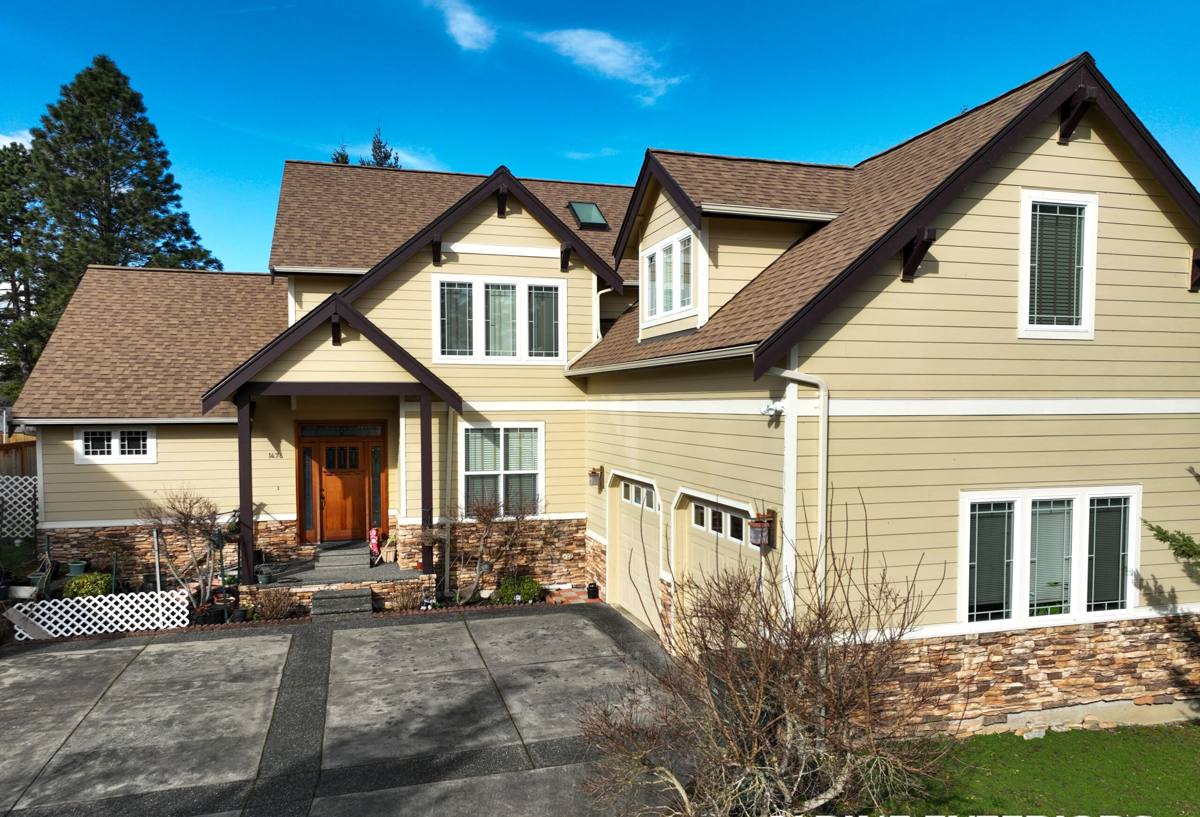
What Heat, UV, and Salt Air Actually Do to Exterior Walls
UV and Heat Cycling
Florida sun is not gentle on painted or coated surfaces. Constant UV exposure breaks down paint films, fades color, and causes some siding materials to become brittle over time. Add daily heat cycling — hot afternoons, cooler nights, sudden rain — and materials that expand and contract at different rates than their coatings start to crack, chalk, or peel years before a homeowner expects.
Wind-Driven Rain
Rain that falls straight down is rarely the problem. Rain pushed sideways by wind finds every gap, lap, and fastener point in a siding system and tests it directly. Siding that is not moisture-stable, or that was installed with poor flashing and clearances, lets water behind the cladding — where it causes rot, mold, and sheathing damage that isn't visible until it's serious.
Salt Air
Even a few miles inland from Tampa Bay or the Gulf, salt-laden air accelerates corrosion of fasteners and metal trim, and it interacts with certain coatings and substrates faster than dry-climate weathering ever would. Materials and finishes that aren't rated for it degrade unevenly, often on the sides of the house facing prevailing wind.
Why We Install James Hardie Fiber Cement and Nothing Else
We get asked regularly why we don't offer vinyl, LP SmartSide, or other engineered wood or composite sidings. The honest answer is that we've made a professional call to stand behind one product system rather than sell whatever a homeowner asks for. James Hardie fiber cement is non-combustible, dimensionally stable in heat and humidity, and manufactured with a factory-applied ColorPlus finish that is designed to hold color and resist the kind of UV fading that plagues field-painted materials in Florida.
Vinyl siding can soften, warp, or fade under sustained heat and direct sun, and it has limited ability to resist wind-driven rain intrusion at its seams. Wood-based composite sidings like LP SmartSide use engineered wood cores that, however well treated, remain more moisture-sensitive than fiber cement — a real concern given how much wind-driven rain and humidity Pinellas Park sees. None of these are "bad" products in every application. They just aren't what we're willing to put our name on in this climate, and that's a standard we apply consistently rather than case by case.
The HZ5 Product Line: Built for This Exact Climate Zone
James Hardie manufactures its siding in different formulations calibrated to regional climate zones — a detail most homeowners never hear about from a general contractor. For Pinellas Park and the rest of the Gulf Coast, that means the HZ5 line, engineered specifically for high-humidity, high-moisture climates. The formulation is designed to resist moisture-related damage and hold up to the freeze-thaw-irrelevant but heat-and-humidity-heavy conditions we actually get here, rather than a generic national blend.
This is one of the reasons product choice alone doesn't guarantee performance — the same "Hardie siding" ordered for the wrong climate zone or installed without correct clearances and flashing can still underperform. Getting the right HZ formulation on a Pinellas Park home is step one; correct installation is step two, and it matters just as much.
What a Correct James Hardie Installation Actually Involves
Fiber cement siding is only as good as the assembly it's installed into. A number of the problems we see on older installs trace back to shortcuts at this stage, not the material itself.
| Install Factor | Why It Matters in Pinellas Park |
|---|---|
| Weather-resistive barrier behind the siding | Backstops any moisture that gets past the cladding during wind-driven rain |
| Correct fastener type and placement | Prevents pull-through and corrosion staining from salt-laden air over time |
| Proper clearance from grade, roofing, and decks | Keeps splash-back and standing water away from the bottom edge of panels |
| Caulking and flashing at joints, windows, and penetrations | The most common failure point where wind-driven rain finds a way in |
| Field-cut edge sealing | Unsealed cut ends absorb moisture faster than factory edges |
| Manufacturer-specified panel gaps | Allows for expansion without buckling under heat cycling |
None of these are exotic requirements — they're in James Hardie's published installation guidelines. The gap between a siding job that lasts and one that fails early is almost always whether these details were actually followed, not whether "Hardie siding" was on the invoice.
Our Process for Pinellas Park Siding Projects
1. On-Site Assessment
We inspect the existing siding and the wall assembly behind it, checking for hidden moisture damage, sheathing condition, and any areas where past work cut corners. This tells us what the job actually requires, not just what it looks like from the curb.
2. Product and Color Selection
We walk homeowners through the appropriate HZ5 panel style — lap, shingle, or board-and-batten — and the ColorPlus color options, explaining trade-offs in appearance and maintenance so the decision is an informed one.
3. Prep and Moisture Barrier
Old siding comes off, damaged sheathing is addressed before it's covered up again, and a weather-resistive barrier goes on correctly lapped and sealed.
4. Installation to Manufacturer Spec
Panels go on with the fastener schedule, clearances, and joint treatment James Hardie specifies for this climate zone — not a generalized approach used everywhere regardless of region.
5. Final Walkthrough
We go over the finished work with the homeowner, point out anything worth knowing for future maintenance, and make sure every question is answered before we call the job done.
What Drives Cost on a Pinellas Park Siding Job
| Factor | Impact on the Job |
|---|---|
| Existing wall condition | Hidden rot or sheathing damage adds repair scope before new siding goes on |
| Panel style and texture | Shingle and board-and-batten profiles typically run higher than standard lap |
| Home size and wall complexity | More corners, gables, and trim details mean more labor and cutting |
| Color selection | Standard ColorPlus colors vs. custom or premium options can shift price |
| Access and site conditions | Tight lots, fencing, or landscaping near the home affect setup time |
We give homeowners a firm, itemized quote after the on-site assessment rather than a ballpark over the phone — siding pricing depends too much on what's actually behind the old cladding to estimate accurately any other way.
Signs Your Current Siding Needs a Closer Look
- Bubbling, peeling, or chalky paint that returns soon after repainting
- Soft or spongy spots when you press on the siding near the bottom edge
- Visible warping, buckling, or gaps that have opened up at panel seams
- Discoloration or staining around fasteners or trim
- Musty smell or visible mold on interior walls that back up to exterior siding
- Siding that was installed more than 15-20 years ago and has never been inspected
Any of these are worth a professional look before the next storm season, not after damage forces the issue.
Why Local Experience in Pinellas Park Matters
Siding contractors who don't work this specific area regularly can miss things that are obvious to a crew that does — how sun exposure differs on a lot shaded by mature trees versus an open corner lot, how prevailing wind direction off Tampa Bay affects which wall takes the worst of wind-driven rain, or which older Pinellas Park homes tend to have specific sheathing or moisture issues from past construction practices. That familiarity shows up in faster, more accurate assessments and fewer surprises mid-project.
If you're weighing a siding replacement or repair in Pinellas Park, we're happy to take a look and give you a straight, no-pressure estimate — use the form below to get started.