 St. Petersburg
 Why Metal Roofing Fits Historic Old Southeast
Historic Old Southeast is one of St. Petersburg's older residential neighborhoods, with a mix of bungalows, Mediterranean revival homes, and mid-century houses shaded by mature oak canopy. Many of these roofs were framed and decked decades before current wind codes existed, and quite a few have already been re-roofed once or twice with asphalt shingles that don't hold up well under sustained coastal exposure. Metal roofing has become a common upgrade here because it solves several problems at once: it sheds wind-driven rain better than shingles, it survives UV exposure without the granule loss and curling that shortens shingle life, and — when the profile and finish are chosen carefully — it can still look appropriate on a house with real architectural character.
This page is specifically about installing and maintaining metal roofing on homes in this neighborhood, not a general overview of metal roofing everywhere in the region. The climate exposure, tree cover, and older roof structures found in Old Southeast all change what "doing the job right" actually means here.
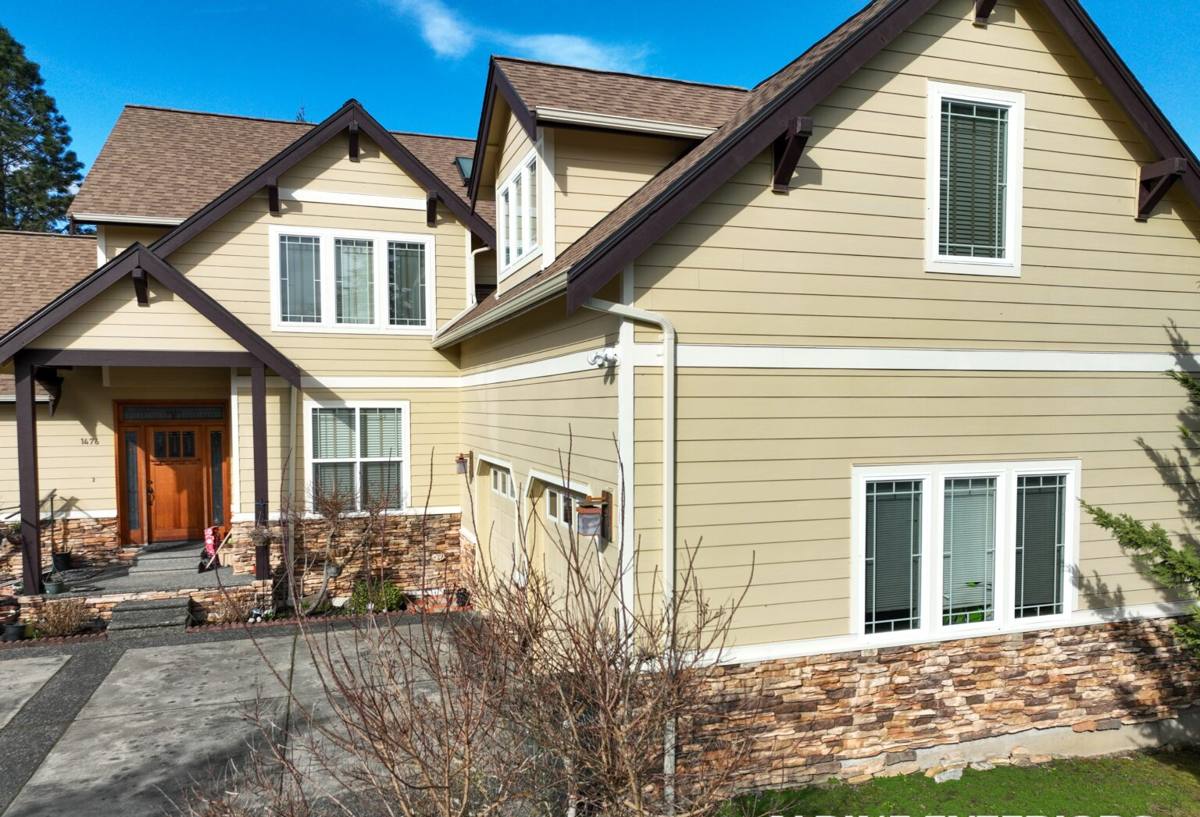
What Pinellas County's Climate Demands From a Roof
St. Petersburg sits on a peninsula, and Old Southeast is close enough to Tampa Bay that salt-laden air is a constant factor, not an occasional one. Add in Florida's hurricane season, near-daily summer UV exposure, and heavy wind-driven rain events, and you have a combination that will find every weak point in a roof system within a few years.
Wind
Pinellas County building code requires roofing systems to meet specific wind uplift ratings, and older homes in this neighborhood are frequently under-built by current standards. A metal roof installed to current code — with the correct fastening pattern, clip spacing, and edge detailing — performs significantly better in gusts than an aging shingle roof, but only if it's actually installed to that standard rather than just "put on."
UV and Heat
Year-round sun exposure breaks down asphalt shingles from the surface down. Metal doesn't have that failure mode, but the paint or coating system still matters — a lower-grade finish will chalk and fade faster under Florida sun than a proper coastal-rated coating.
Salt Air and Moisture
Proximity to the bay means fasteners, flashing, and panel edges are exposed to airborne salt that accelerates corrosion on the wrong materials. This is where a lot of "cheap metal roof" problems actually start — not with the panel itself, but with mismatched fasteners or trim that corrode long before the roof does.
Choosing the Right Metal Roofing System for an Older Home
Not every metal roofing product is a good fit for a historic-character neighborhood. We generally steer Old Southeast homeowners toward one of two directions, depending on the house.
| System | Best For | Trade-offs |
|---|---|---|
| Standing seam (concealed fastener) | Bungalows, mid-century homes, anyone wanting the longest service life | Higher upfront cost; fewer visible seams to maintain |
| Metal shingle or metal tile profile | Homes where the original roofline reads as shingle or tile and the owner wants to preserve that look | More seams and fasteners than standing seam; still far more durable than asphalt |
| Exposed-fastener panel | Detached garages, sheds, lower-visibility roof sections | Fasteners need periodic inspection and eventual replacement; not our first recommendation for the primary house roof |
For a primary residence in this neighborhood, we most often recommend standing seam because the concealed fastener system removes the long-term maintenance point that exposed fasteners create, and it holds up better against wind uplift. When a homeowner wants to keep the visual profile closer to what the house originally had, a metal shingle product can be the better call — that's a conversation we have on site, looking at the actual roofline, not a decision made from a brochure.
What a Correct Installation Actually Involves
A metal roof is only as good as what's underneath it and how it's fastened down. This is where corners get cut on lower-bid jobs, and it's usually invisible until a storm finds the weak point.
Deck Assessment
On a house of this era, we check the roof deck for soft spots, delamination, and old nail patterns before anything goes down. If a previous re-roof left the deck in poor shape, that has to be addressed first — a new metal roof over a compromised deck doesn't fix the underlying problem.
Underlayment
Metal roofing needs a underlayment system rated for the panel type and for high-heat, high-moisture climates — not a generic felt product. This layer is what protects the deck if wind-driven rain ever gets past the panel seams during a severe event.
Fastening and Flashing
Clip spacing, fastener type, and flashing details at valleys, penetrations, and eaves all have to match both the manufacturer's specification and Pinellas County's wind requirements. Flashing around chimneys, vents, and dormers — common on older Old Southeast homes — is where most roof leaks actually originate, not the field of the roof itself.
Ventilation
Older attics in this neighborhood were often built with minimal ventilation. A metal roof retrofit is a good opportunity to correct that, since proper attic airflow extends the life of the roof deck and helps with cooling costs in Florida's climate.
Working Around What Makes Old Southeast Different
Tree Canopy
The mature oak canopy that gives this neighborhood its character also means more debris load, more shade-driven moisture retention, and more limbs to account for during installation and future maintenance. We factor tree overhang into panel selection and gutter planning rather than treating every roof the same.
Older Framing
Homes built before modern truss engineering sometimes have roof framing that needs reinforcement to properly carry and fasten a new system, particularly at hip and valley intersections. We flag this during the estimate walk-through, not after tear-off has already started.
Neighborhood Character
Because this is a historic residential area, panel color and profile choices matter more here than on a purely functional commercial building. We keep a range of finishes on hand that read as traditional roofing from the street while still giving the performance of a modern metal system.
Our Process
- On-site inspection of the existing roof, deck condition, and any problem areas (valleys, chimneys, past leak history)
- Honest assessment of whether standing seam or a metal shingle profile fits the house and the budget
- Written estimate covering materials, tear-off, deck repair contingencies, and installation
- Permitting handled before work begins, per City of St. Petersburg and Pinellas County requirements
- Tear-off, deck repair as needed, underlayment, and panel installation with coastal-rated fasteners and flashing
- Final walk-through with the homeowner before we consider the job complete
Maintenance and What to Expect Over Time
A properly installed metal roof in this climate needs far less attention than asphalt shingles, but "none" isn't accurate either. We recommend homeowners have gutters and valleys checked for debris buildup at least once a year, especially where oak canopy drops leaves and pollen, and have fastener and sealant points inspected periodically if the roof uses any exposed-fastener sections. Salt air exposure means it's worth a visual check after major storms for any panel or trim movement, even though a correctly installed system is built to withstand hurricane-force wind loads.
Cost Factors to Understand
| Factor | Why It Matters |
|---|---|
| Roof pitch and complexity | More valleys, dormers, and hips mean more flashing work and labor time |
| Deck condition | Rot or soft decking found during tear-off adds repair cost before installation can proceed |
| Panel system chosen | Standing seam typically costs more upfront than exposed-fastener panel but requires less long-term upkeep |
| Coating and gauge | Coastal-rated finishes and heavier gauge panels cost more but resist salt air corrosion and fading longer |
| Access and tree cover | Limited access or heavy canopy can add setup and protection time |
We give homeowners a real number based on their specific roof after an on-site look, not a rough range pulled from a phone call — too many of the cost drivers above vary house to house.
Signs Your Old Southeast Roof May Need Attention
- Granule loss, curling, or bald patches on an existing asphalt shingle roof
- Rust staining or streaking at valleys or around penetrations
- Visible sagging along the roofline or at the deck
- Interior water stains after heavy wind-driven rain events
- A roof more than 15-20 years old that hasn't had a full inspection recently
- Loose or lifted flashing around chimneys, skylights, or dormers
If any of these sound familiar, it's worth having someone take a real look before the next storm season rather than after.
If you're weighing a metal roof for a home in Historic Old Southeast, we're happy to come take a look and walk you through what your specific roof needs — no pressure, no obligation. Use the form below to request a free estimate.