 St. Petersburg
 Deck Repair for Kenneth City Homes
Kenneth City is a small, tight-knit community tucked inside Pinellas County, surrounded by St. Petersburg and the rest of the county's dense residential neighborhoods. Like most homes in this part of Florida, a lot of Kenneth City properties have a deck, porch, or elevated wood structure that sees hard use and even harder weather. When a deck starts to feel soft underfoot, a railing wiggles more than it should, or boards start cupping and graying, it's not just cosmetic — it's usually the first sign that moisture and sun exposure have started working on the structure underneath.
We repair decks throughout St. Petersburg and the surrounding Pinellas County area, and Kenneth City is part of our regular service footprint. This page covers what deck repair actually involves here, what our climate does to decks specifically, and how to tell whether you're looking at a repair job or something bigger.
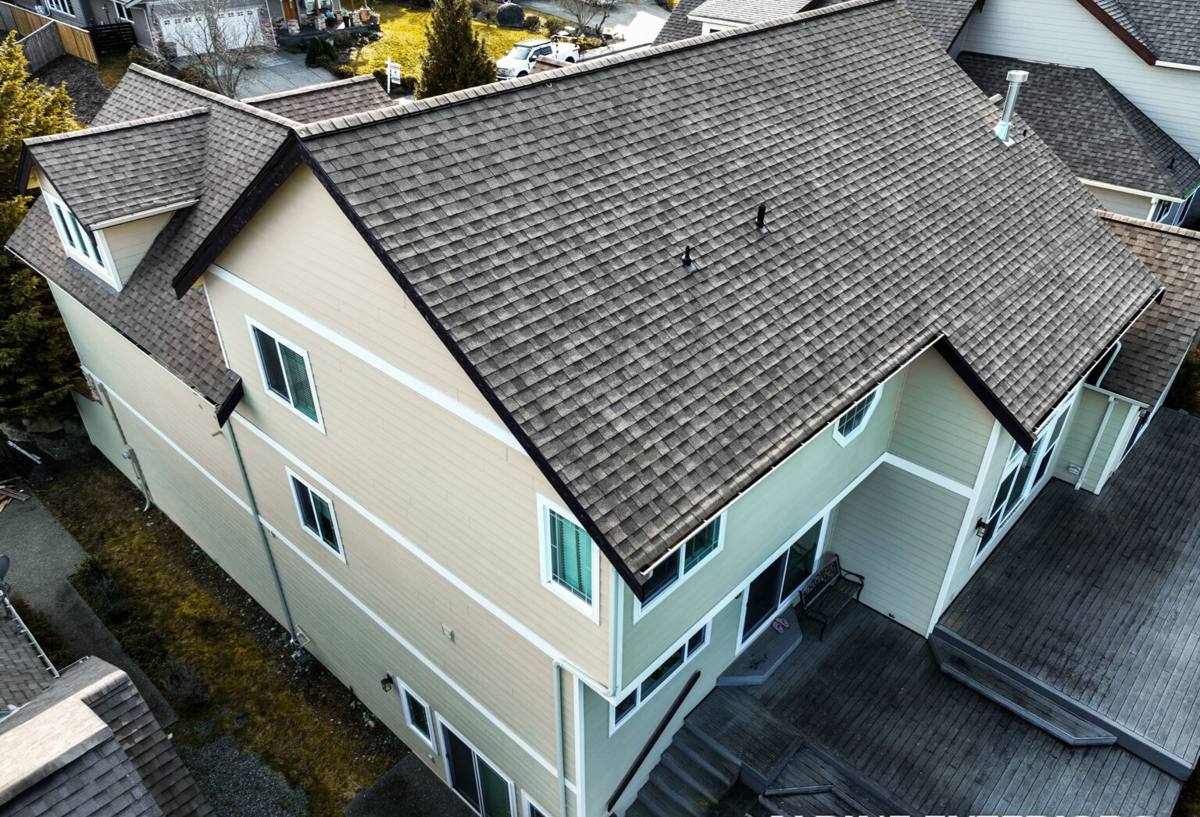
What Pinellas County Climate Does to a Deck
Every deck in this region is fighting the same combination of stressors, year-round, without a break. It's worth understanding these because they shape how we diagnose and repair a deck, not just how we build one.
UV Exposure
Florida sun is intense and consistent almost every month of the year. On wood decking, UV breaks down the lignin that holds wood fibers together, which is why untreated or under-maintained boards gray, splinter, and get rough to the touch. On composite decking, UV can fade color unevenly over years, especially on boards that get more direct sun than others.
Wind-Driven Rain and Humidity
Pinellas County gets frequent, sometimes intense rain, and a lot of it arrives sideways during storms rather than falling straight down. That means water gets driven into joints, under railings, and into any gap where flashing or fasteners have started to fail. Combine that with our humidity, and wood that isn't drying out properly between rain events starts to rot from the inside — often before it looks bad on the surface.
Hurricane-Force Wind Loads
Decks and their railings take real structural load during tropical storms and hurricanes, not just from wind pressure on the structure itself, but from debris impact and the racking motion that repeated gusts put on posts and connections. A deck that was built to code years ago can still develop weak connections over time from repeated wind cycling, especially at ledger boards and post bases.
Salt Air
Even away from the immediate waterfront, salt air moves inland across Pinellas County and accelerates corrosion on any exposed metal — nails, screws, joist hangers, bolts, and railing hardware. Corroded fasteners are one of the most common hidden causes of a deck that feels unstable even though the boards themselves still look okay.
Signs a Kenneth City Deck Needs Repair
Most deck problems don't happen overnight. They show up as small changes that homeowners notice but often put off addressing, until the underlying issue has spread. Here's what we'd want you to watch for:
- Boards that feel spongy, springy, or noticeably softer in one area than the rest of the deck
- Visible cupping, splitting, or graying wood that hasn't been sealed or stained in several years
- Railings or posts that wiggle, lean, or feel less rigid than they used to
- Rust streaks around fasteners, joist hangers, or metal brackets
- Gaps opening up between boards, or fasteners backing out and sitting proud of the surface
- A ledger board (where the deck attaches to the house) that shows staining, gaps, or soft wood
- Stairs that feel less solid, or treads that flex more than they should
- Standing water that doesn't drain off the deck surface after rain
Any one of these on its own might be a minor fix. Several at once, especially involving the ledger board or support posts, usually means it's time for a proper structural inspection rather than a surface patch.
Repair vs. Replace: How We Decide
Not every deck problem calls for a full rebuild, and we don't push a replacement when a targeted repair will genuinely hold up. At the same time, we won't patch over a structural issue just to make a job cheaper in the short term — that's how homeowners end up paying for the same repair twice. Here's generally how the decision breaks down:
| Condition | Usually Repairable | Usually Needs Replacement |
|---|---|---|
| Decking boards | Isolated cupping, splitting, or a few damaged boards | Widespread rot or damage across most of the deck surface |
| Framing/joists | Localized soft spots caught early | Rot at multiple joists or along the ledger board |
| Fasteners/hardware | Rusted screws or a few failing hangers | Corrosion throughout the connection system |
| Railings/posts | Loose railing sections, minor wobble | Posts with rotted bases or failed footings |
| Structure age | Deck is sound but showing normal wear | Deck was undersized, under-fastened, or never built to current code |
The honest answer is that we can't tell you which category your deck falls into without actually getting underneath it and checking the framing, not just the surface boards. That's the first thing we do on any repair visit.
What a Correct Deck Repair Involves
A repair that's done right doesn't just replace what's visibly damaged — it addresses why the damage happened, so the same spot doesn't fail again in a year or two. That generally means:
Structural Inspection First
We check the ledger board connection, joists, beams, posts, and footings before touching decking boards. A lot of the damage that matters most is underneath the surface, and replacing top boards over a compromised frame doesn't actually fix anything.
Matching Fasteners to the Environment
Given the salt air and humidity in this part of Florida, we use corrosion-resistant fasteners and hardware rated for exterior, coastal-influenced conditions. Using standard interior-grade hardware on an outdoor deck here is one of the most common shortcuts that leads to early failure.
Proper Drainage and Ventilation
Wood that can't dry out between rain events rots faster, regardless of how well it was installed originally. Part of a correct repair is making sure there's adequate spacing between boards and airflow underneath the deck, not just replacing wood in place.
Code-Compliant Structural Work
Anything involving railings, stairs, ledger attachment, or footings needs to meet current building code, not just look solid. Older decks in Pinellas County were sometimes built to standards that have since been updated, particularly around wind load and railing height requirements.
Deck Material Considerations for This Climate
What your deck is made of affects how it fails and what repair looks like. This matters when you're deciding whether to repair with the same material or use a repair as an opportunity to upgrade a section.
| Material | Common Failure Points Here | Repair Notes |
|---|---|---|
| Pressure-treated wood | Surface graying, splitting, fastener rust | Repairs are straightforward but need resealing to slow future weathering |
| Composite decking | Fading, occasional surface wear at high-traffic spots | Board-level replacement is usually clean if the underlying frame is sound |
| Cedar or other softwoods | Softening and rot in shaded, poorly ventilated areas | Often needs more frequent spot repair than treated wood or composite |
| Metal hardware (any deck) | Corrosion from salt air and humidity | Should be inspected and upgraded during any repair, regardless of decking material |
We're not going to tell you one decking material is bad — every option has real trade-offs in maintenance, cost, and appearance. What we will say honestly is that whatever material you have, the hardware connecting it to the structure matters just as much as the boards themselves, and it's the part most homeowners never think to ask about.
Our Deck Repair Process
We keep this straightforward because a deck repair shouldn't be a mystery:
- On-site inspection of decking, framing, ledger connection, posts, and footings
- A plain-language explanation of what's causing the problem, not just what's visibly damaged
- A written scope and estimate that separates repair items from anything we'd flag as optional
- Repair work using fasteners and materials suited to Pinellas County's humidity and salt exposure
- A final walkthrough so you know what was done and what to keep an eye on going forward
If we find something during the inspection that goes beyond a repair — a compromised ledger board or failing footings, for example — we'll tell you that directly and explain why, rather than patching over it and letting it become your problem again down the road.
Why a Local Crew Matters for Kenneth City
Deck repair isn't identical everywhere in Florida. A crew that regularly works St. Petersburg and the surrounding Pinellas County communities has already seen how local humidity, salt air, and storm patterns affect decks over the years — not in theory, but on real jobs. That translates into knowing which fastener grades hold up, which ledger connections tend to fail first, and which repairs are cosmetic versus which ones need to be structural.
Being local also means we're not driving in from across the state for a follow-up visit if something needs a second look. For a repair, that matters — it's the difference between a contractor who stands behind the work and one who's hard to reach once the invoice is paid.
Maintaining a Deck After Repair
A repair holds up longer when it's paired with basic upkeep. This isn't complicated, but it does need to happen on a schedule rather than only when something looks obviously wrong:
- Reseal or restain wood decking on a regular schedule rather than waiting for visible graying
- Sweep off leaves and debris that trap moisture against boards
- Rinse salt air residue off decking and hardware periodically, especially after storms
- Check railings and stair connections for looseness a couple of times a year
- Address small issues — a loose board, a rusting screw — before they spread
If you're in Kenneth City and your deck is showing any of the warning signs above, we're happy to come take a look and give you an honest read on what it needs. Reach out for a free, no-pressure estimate using the form below.