 St. Petersburg
 Building a Deck That Holds Up in Kenneth City
Kenneth City sits in the middle of Pinellas County, tucked between St. Petersburg and the rest of the Tampa Bay peninsula, which means every deck built here deals with the same climate stack the whole region gets: long stretches of intense UV, sudden hurricane-force wind events, wind-driven rain that finds its way into anything not properly flashed, and a steady dose of salt-laden air moving in off the Gulf and Tampa Bay. None of that is exotic — it's just constant. A deck built with techniques or materials meant for a drier, milder climate will show it within a few seasons: fasteners bleed rust, boards cup and check, and structural connections that were never rated for uplift start to work loose. Building correctly for Kenneth City isn't about upgrading everything to the most expensive option — it's about knowing which parts of a deck actually take the abuse and spending the effort there.
What Makes Kenneth City Lots Different to Build On
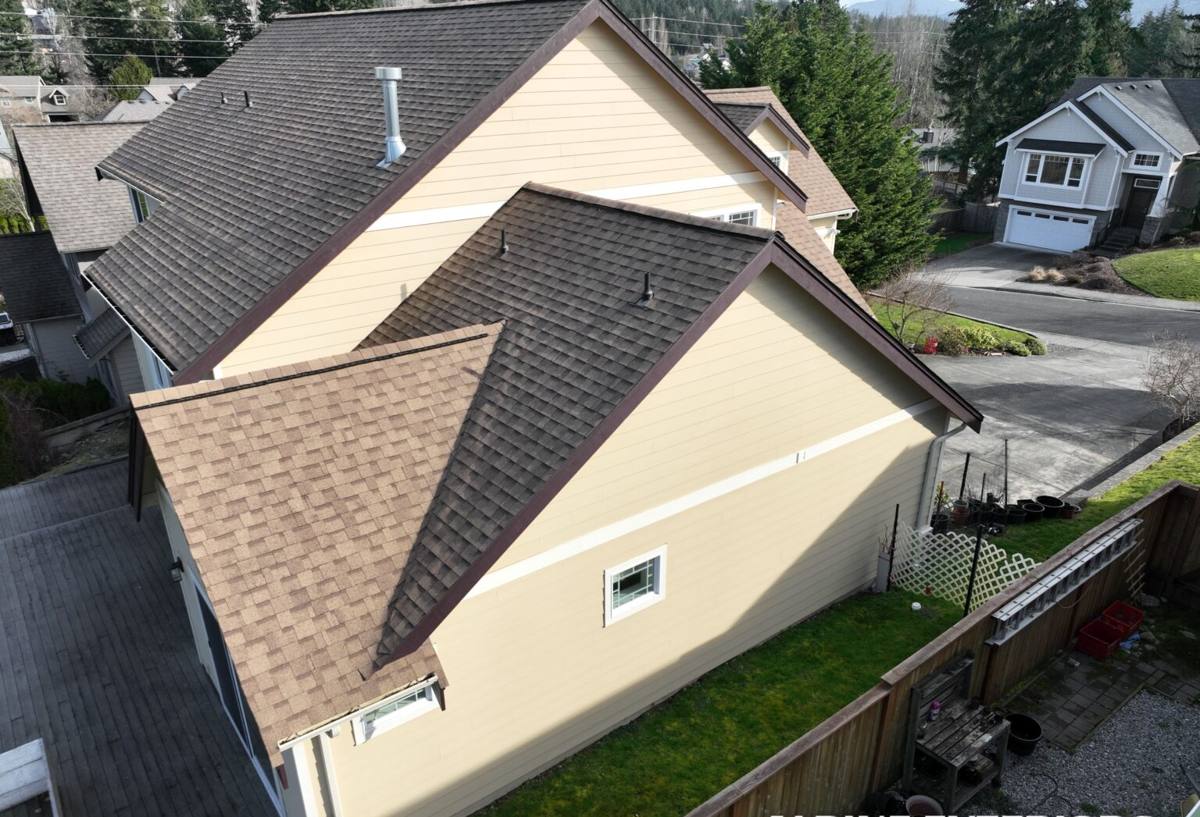
Kenneth City is a small, densely built residential community, and most of its lots are modest in size with houses set fairly close together. That has real implications for deck design and construction:
- Tighter lot lines often mean less room for equipment access, which affects how footings get dug and how material gets staged during the build.
- Many homes in this part of Pinellas County were built decades ago, so existing slabs, additions, and utility lines aren't always where plans from the county assume they are — we verify in the field rather than trusting old drawings.
- Drainage matters more on smaller lots. A deck footprint that changes how water sheets across the yard can create standing water against a foundation, which is a bigger problem here than in areas with more grade to work with.
- Setback and easement rules still apply even on a small addition like a deck, and Kenneth City enforces its own permitting process separate from unincorporated Pinellas County or neighboring St. Petersburg.
None of this makes a deck harder to build well — it just means the planning stage has to be honest about the site instead of copying a generic deck plan onto it.
Choosing a Decking Material That Actually Fits This Climate
Every decking material sold today can survive a Florida summer for a little while. The real question is what it looks and performs like in year five, year ten, and after it's taken a few named storms. Here's how the common options actually compare under Pinellas County conditions:
| Material | UV / Sun Behavior | Moisture Behavior | Maintenance |
|---|---|---|---|
| Pressure-treated pine | Grays and can splinter without regular sealing | Absorbs and releases moisture with weather swings, prone to cupping | Needs sealing/staining every 1–2 years to hold up |
| Tropical hardwoods (e.g., ipe) | Very stable, fades to gray without oiling | Naturally dense and rot-resistant | Oiling recommended annually to keep color; heavier, harder to fasten |
| Capped composite | Strong UV resistance, minimal fading | Doesn't absorb water like wood, resists cupping | Occasional washing; no sealing or staining |
| PVC decking | Excellent UV resistance | Fully moisture-resistant, will not rot | Lowest maintenance; can run hotter underfoot in direct sun |
We don't push one product on every job. A shaded backyard deck under mature trees can do fine with a well-maintained wood, while a deck sitting in full Gulf-facing sun most of the day is a much better fit for composite or PVC. What we won't do is install a premium capped board over framing or fasteners that aren't rated to match its lifespan — that mismatch is where most "the deck failed early" complaints actually start, and it's a framing and hardware problem more often than a decking problem.
Fasteners and Hardware Matter as Much as the Boards
Salt air corrodes standard fasteners faster than most homeowners expect, especially anything within a few miles of open water — which covers nearly all of Kenneth City. We use stainless steel or coated fasteners rated for coastal exposure, along with hot-dip galvanized or stainless structural hardware for joist hangers, post bases, and hurricane ties. Mixing metals (for example, standard galvanized hardware with stainless fasteners) can actually accelerate corrosion through a reaction between the two metals, so hardware selection has to be consistent, not just individually "good."
What a Correctly Built Deck Involves, Structurally
A deck that stands up to Pinellas County weather is built right from the ground up, not just finished nicely on top. The parts that actually determine whether a deck survives a storm season are almost all invisible once the boards go down:
Footings and Posts
Footings need to be sized and set to local frost-free depth and soil-bearing requirements, which in this area is more about soil composition and load than freeze depth. Undersized or shallow footings are one of the most common corners cut on budget deck builds, and they're also one of the hardest problems to fix later without tearing into the structure.
Ledger Attachment
Where a deck attaches to the house is the single most common source of water intrusion and structural failure on residential decks nationally. Proper flashing at the ledger board — installed so water sheds away from the house framing rather than behind the ledger — is not optional, even though it's completely hidden once the deck is finished.
Joists, Beams, and Hurricane Connections
Wind uplift is a real design load here, not a theoretical one. Joist hangers, post-to-beam connections, and railing posts all need hardware and fastening rated for wind resistance, sized to current Florida Building Code wind requirements for this region — not just whatever the lumber yard had in stock.
Railings and Guards
Beyond meeting code height and baluster-spacing requirements, railing posts need to be attached with through-bolts or structural screws into blocking, not just screwed into the rim joist. A railing that looks fine but was fastened lightly is a liability the first time someone leans on it.
Cost Factors Homeowners in Kenneth City Should Understand
Deck pricing varies a lot based on choices that aren't always obvious up front. Rather than quote a single number that won't mean much without context, here's what actually drives the range:
| Factor | Why It Changes the Price |
|---|---|
| Decking material | Pressure-treated wood costs least up front; composite and PVC cost more initially but less over the deck's lifetime in maintenance |
| Height and footing depth | A deck attached at a second-story level or over uneven grade needs more structural framing and deeper/more footings |
| Access to the build site | Tighter Kenneth City lots can mean more hand-digging and material staging, which adds labor time |
| Railing style | Cable, glass, or custom railing systems cost more than standard baluster railing in both material and install time |
| Roof or cover addition | A pergola or roof structure over the deck adds engineering and permitting requirements beyond a standalone deck |
| Permit and inspection scope | Kenneth City permitting and required inspections add time and a fixed permit cost regardless of deck size |
Permitting for a Deck in Kenneth City
A deck attached to a house, or any deck above a certain height, requires a building permit — this isn't a place to cut corners, because an unpermitted deck can become a real problem at resale or with insurance after storm damage. Kenneth City has its own permitting process, and it's worth confirming setback requirements, maximum height without additional review, and whether your lot has any recorded easements before design work starts. We handle the permit submission and coordinate the required inspections as part of the build, so the homeowner isn't the one tracking down approvals mid-project.
Our Process, Start to Finish
- Site visit and design conversation. We look at the actual lot, existing grade, drainage direction, and how the deck will attach to the house before recommending anything.
- Material and layout selection. We walk through the material comparison honestly, including what each option means for maintenance five and ten years out.
- Permit submission. We prepare and submit the permit package to Kenneth City and schedule the required inspections around the build timeline.
- Footings and framing. Footings are set to depth, ledger flashing goes in correctly, and all structural hardware is rated for wind and coastal exposure before any decking goes down.
- Decking, railing, and finish work. Boards and railing are installed to the fastening standard for the material chosen — not generic, whatever-fits hardware.
- Final inspection and walkthrough. We confirm the deck passes required inspections and walk the homeowner through basic care for the specific material installed.
Keeping a Kenneth City Deck in Good Shape
Even a well-built deck needs some seasonal attention in this climate. A short list that actually matters:
- Rinse salt residue off decking and railings periodically, especially after storms with onshore wind.
- Check fastener heads and hardware for rust streaks once or twice a year — early corrosion is easy to catch, hard to ignore once it spreads.
- Reseal or oil wood decking on the schedule appropriate to that species; don't wait until it's visibly gray and dry.
- Clear debris from between boards and around footings so water isn't trapped against the structure.
- After any major storm, walk the deck and check railing posts and stair connections for movement before assuming everything's fine.
Why Local Experience with Kenneth City Actually Matters
A deck contractor who's worked in Kenneth City specifically knows the permitting office's actual expectations, has a feel for typical lot sizes and setback questions in this community, and has already seen how the local wind and salt exposure play out on real decks over time — not just in a manufacturer's spec sheet. That's different from a crew that treats every Pinellas County job the same as one built inland or in a different climate zone entirely. We build decks throughout this part of St. Petersburg and Pinellas County, and Kenneth City's mix of small lots, older homes, and coastal-adjacent exposure is a pattern we plan for from the first site visit, not something we figure out as we go.
If you're considering a new deck or need an honest look at an existing one, we're happy to walk the site with you and talk through what it would actually take. Use the form below to request a free, no-pressure estimate.