 St. Petersburg
 Custom Windows Built for Kenneth City Homes
Kenneth City sits in the middle of Pinellas County, tucked between St. Petersburg and the rest of the peninsula's dense residential grid. Homes here run the gamut from older mid-century block construction to newer infill builds, but nearly all of them share the same enemy: a coastal Florida climate that never really gives a window a break. Between hurricane-force wind events, intense year-round UV, wind-driven rain, and salt-laden air drifting in off Tampa Bay and the Gulf, windows in this part of the county take on more stress in a year than most inland homes see in a decade.
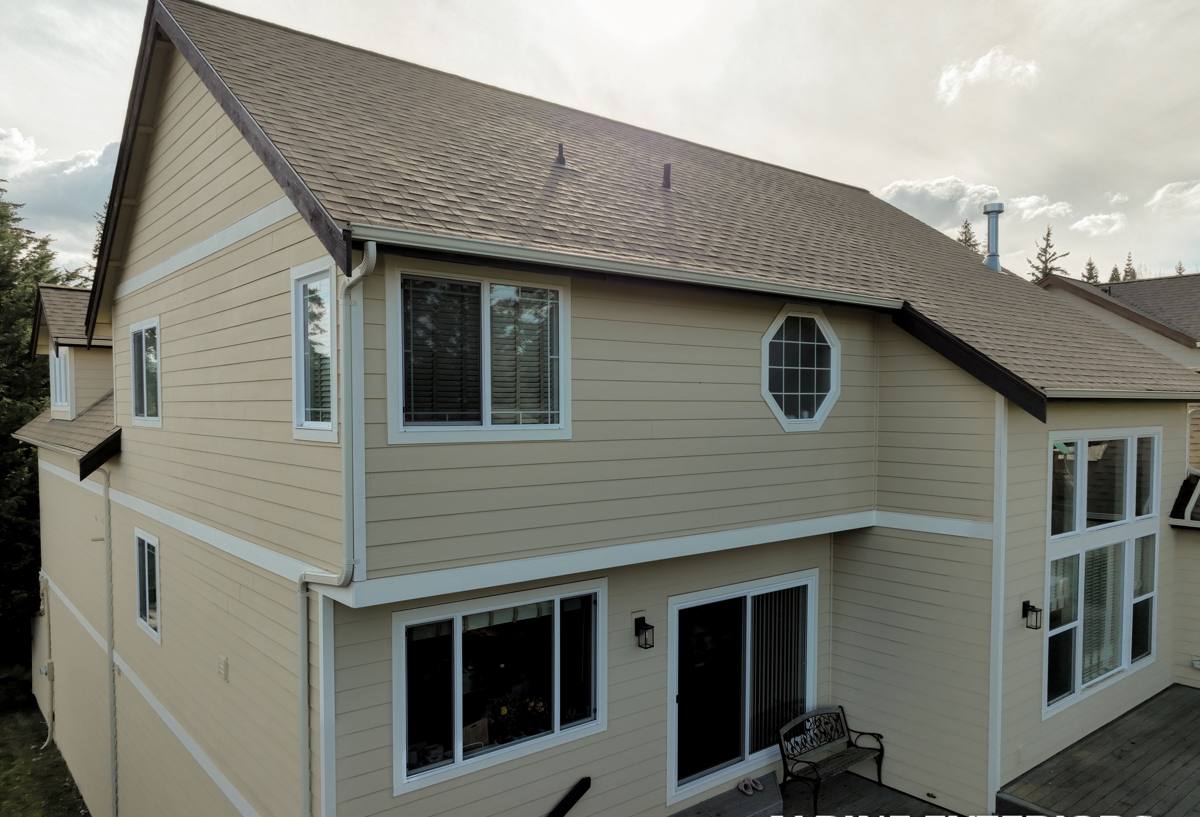
Custom windows aren't just about looks. For Kenneth City homeowners, the right window is a system — frame, glass, glazing, and installation — engineered to hold up to that specific stress load while still fitting the character of the house. We build and install custom units sized and specified for each opening, rather than forcing a stock size into a wall that was never built to match one.
What "Custom" Actually Means Here
A lot of window sellers use "custom" loosely to mean "we cut it to fit." In our shop it means something more specific:
- Frame material, glass package, and hardware chosen to match the exposure of that particular wall (west-facing walls take more UV and heat load than shaded north walls, for example)
- Exact opening measurements taken on-site, accounting for out-of-square openings common in older block homes
- Impact rating matched to your wind zone and insurance requirements, not just whatever the manufacturer stocks most
- Trim, grid pattern, and frame color selected to fit the home's existing architecture rather than a generic replacement look
This matters more in Pinellas County than in most parts of the country, because building code here already assumes hurricane exposure. A window that's merely "good enough" somewhere inland can be undersized for what a Kenneth City home actually needs to weather a storm season.
Why Stock Sizing Falls Short on Older Homes
Many homes in this part of St. Petersburg's metro footprint were built decades ago, and openings have often shifted slightly over the years — settling, prior remodels, or simply the tolerances of older construction. Forcing a stock-size window into a slightly irregular opening means gaps get packed with extra shim and caulk instead of a true weather seal. That's exactly the kind of gap wind-driven rain finds during a storm. Custom-sized units close that gap at the frame, not with sealant trying to make up the difference.
What Kenneth City's Climate Demands From a Window
Wind and Impact Resistance
Pinellas County sits in one of Florida's higher wind-load zones, and Kenneth City is no exception. Depending on your home's exact wind zone, you'll need windows rated to resist a specified design pressure, and in many cases impact-resistant glass or code-approved shutter protection. We check your specific requirement against the local wind map rather than assuming one rating fits every house in the neighborhood.
UV Exposure
Florida sun is intense and constant. Standard glass lets UV degrade interior furnishings, flooring, and trim over time, and it drives up cooling costs by letting heat load straight through. Low-E coatings block a significant share of that UV and infrared transfer while still letting visible light through — worth specifying on every south- and west-facing opening in particular.
Wind-Driven Rain
It isn't just the wind speed that damages windows and the walls around them — it's water forced sideways under pressure during a storm. A correctly flashed and sealed installation is what actually keeps that water out, more so than the glass rating alone. We'll cover installation specifics below because it's where most window failures actually originate.
Salt Air Corrosion
Kenneth City isn't beachfront, but it's close enough to the bay and Gulf that salt-laden air still reaches window hardware and frame fasteners over time. Standard mild-steel hardware corrodes faster here than in inland Florida. We spec corrosion-resistant hardware and fasteners as standard practice, not an upcharge.
Frame Materials: What Holds Up Locally
| Material | Coastal Performance | Maintenance | Typical Fit |
|---|---|---|---|
| Vinyl | Good — won't rust or rot, handles humidity well | Low | Most Kenneth City homes; strong value |
| Aluminum | Strong, thin sightlines, but needs corrosion-resistant hardware near salt air | Moderate | Modern or larger openings, impact-rated storefront-style units |
| Fiberglass | Excellent — very stable in heat/humidity swings, minimal expansion | Low | Homeowners wanting long-term durability, higher upfront cost |
| Wood-clad | Weakest in this climate unless meticulously maintained — moisture and humidity are constant threats | High | Only where a specific architectural look is required, and only with disciplined upkeep |
We're upfront that wood-clad frames carry real maintenance risk in a humid, salt-air environment like this one. If you want that look, we'll talk through what upkeep it actually takes rather than just selling the aesthetic and letting the moisture problems show up later.
Glass and Impact Options
For most Kenneth City homes we're weighing a few core decisions with you:
- Impact-resistant laminated glass — stays intact under wind-borne debris impact and can satisfy code without separate shutters
- Low-E coatings — cuts UV and heat transfer, worth it on nearly every install in this climate
- Insulated (double-pane) glazing — reduces heat transfer and outside noise, standard on most custom replacements now
- Tempered safety glass — required in certain locations (near doors, low sills) regardless of impact rating
Impact glass costs more upfront than shutter-protected annealed glass, but it means you're not scrambling to put up shutters before every storm watch, and it often qualifies for insurance credits — worth confirming with your carrier directly, since credit programs and amounts vary.
How We Handle a Custom Window Job
- On-site assessment — we measure every opening individually, note framing condition, and check for water intrusion signs around existing windows before we ever quote a number
- Product selection — we walk you through frame material, glass package, and hardware options matched to that wall's exposure and your budget, no one-size pitch
- Manufacturing — units are built to the exact opening dimensions rather than pulled from generic stock sizing
- Removal and prep — old units come out carefully, and we inspect the rough opening for rot, corrosion, or prior water damage before installing anything new
- Installation and flashing — proper flashing and sealant sequencing around the frame is what actually stops wind-driven rain; this step gets more attention from us than the glass spec itself
- Final inspection and cleanup — we check operation, seal integrity, and site cleanup before calling the job done
Why a Local Crew Matters for This Job
Window installation quality in this climate comes down to details a lot of crews rush past: flashing sequence, sealant selection that actually bonds to your frame material, and hardware that won't corrode in a season or two of salt air. A crew that regularly works St. Petersburg and Pinellas County homes has already seen how local block construction, older stucco, and coastal exposure interact with a window install — and adjusts for it instead of treating your home like a generic job site.
It also matters for permitting. Pinellas County and the surrounding municipalities have specific permitting and inspection requirements for window replacement, particularly where impact ratings or structural openings are involved. A crew that pulls permits in this county regularly knows the process and the inspectors' expectations, which keeps your project from stalling on paperwork.
Questions Worth Asking Any Window Contractor
- Are you pulling the required permit for this job, and who handles the inspection?
- What wind zone rating are you specifying, and how does that match my home's actual requirement?
- What hardware and fastener material are you using, given the salt air exposure here?
- How do you flash and seal around the frame — walk me through the actual sequence
- What's covered under warranty, and is that the manufacturer's warranty, your labor warranty, or both?
Cost Factors to Expect
Custom window pricing varies by opening size, frame material, glass package, and impact rating, so we won't throw out a number that doesn't apply to your house. In general terms, the biggest cost drivers are: impact-rated versus standard glass, frame material (vinyl typically costs less than fiberglass or aluminum), the number and size of openings, and any structural or rough-opening repair uncovered once old units come out. We'll walk you through where your project actually sits on that range once we've seen the openings.
Maintaining Custom Windows in This Climate
Even a well-installed window needs some upkeep in a coastal Florida environment. A simple annual routine goes a long way:
- Rinse frames and hardware periodically to clear salt residue, especially after storm events
- Check weep holes (the small drainage openings in the frame track) to make sure they're clear of debris
- Inspect exterior caulk and sealant lines yearly for cracking or separation
- Operate hardware regularly so hinges and locks don't seize from disuse
- Have any fogging between panes checked promptly — it usually signals a failed seal, not a glass defect you can fix from the outside
If your Kenneth City home has windows that are original to the house, showing water staining around the frames, or just costing you more on cooling bills than they should, we're happy to take a look. Reach out for a free, no-pressure estimate — we'll walk your home's openings with you and give you a straight assessment of what it actually needs.