 St. Petersburg
 Siding Repair in a Neighborhood Built Before Modern Siding Existed
Old Southeast is one of St. Petersburg's older residential neighborhoods, filled with bungalows, cottages, and mid-century homes built well before fiber cement or engineered wood siding existed. That history is part of what makes the streets here worth preserving — and it's also exactly why siding repair in this neighborhood is different from siding repair in a newer subdivision. Homes here have been re-sided, patched, and painted over multiple times across decades, sometimes with materials and methods that don't match what's underneath. A repair crew that doesn't take the time to understand what's actually on the wall before they start cutting can do more harm than good.
We're not asking you to guess at what your home needs. We're saying the first real step in any Old Southeast siding repair is figuring out what's actually there, what's failing, and why — before anyone touches a saw.
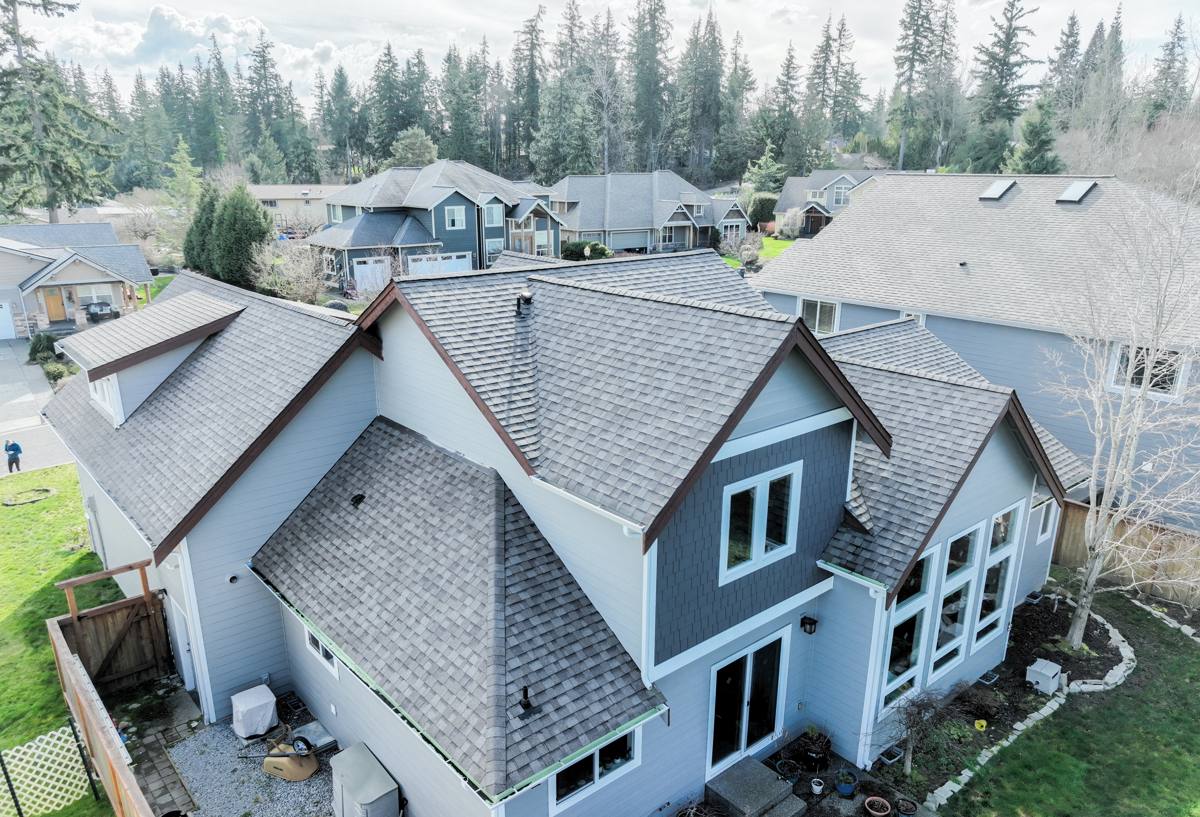
What St. Petersburg's Climate Does to Older Siding
Every siding material on every home in Pinellas County is fighting the same four things, year after year: hurricane-force wind events, wind-driven rain that gets pushed sideways into joints and seams, intense year-round UV that never really takes a season off, and salt-laden air off Tampa Bay that accelerates corrosion and finish breakdown. Older homes in Old Southeast have absorbed decades of this exposure, and it shows up in specific, predictable ways:
- Wind-driven rain finds any gap in a butt joint, corner trim, or old caulk line and pushes moisture behind the siding, not just onto it.
- UV exposure breaks down paint film and old finishes faster here than in most of the country, leaving wood and older composite siding unprotected years sooner than the paint can label suggests.
- Salt air corrodes exposed fasteners, staples, and unprotected metal trim, which is often the real reason a siding panel or board is loose — not the siding itself failing.
- Storm wind loading repeatedly flexes and stresses siding and its fasteners, which over years works joints loose even when no single storm caused visible damage.
None of this is unique to Old Southeast, but the age of the housing stock here means these forces have had longer to do their work, and often on materials that weren't engineered for this climate to begin with.
Why Age and Original Material Matter More Here
Mixed materials on one house
It's common on an older Old Southeast home to find more than one siding material on the same structure — original wood lap siding on the main house, a later addition sided in something else, and a patch job from a previous owner mixed in. A repair has to account for all of it, not just the section that's visibly failing.
Repairs on top of repairs
Many of these homes have already been patched once or twice. That's not a criticism of prior work — it's just what happens to a house built decades ago. But it means moisture, rot, or fastener corrosion can be hiding under a repair that looks fine from the sidewalk. A proper repair starts by pulling back enough material to see what's really going on, not just recovering the same problem.
Neighborhood character
Homeowners here generally care about how their house looks against the rest of the block. A repair that doesn't match the reveal, profile, or paint line of the surrounding siding stands out immediately — and that matters to people who chose to live in a historic neighborhood in the first place.
Signs Your Old Southeast Home Needs Siding Repair
A lot of siding damage starts small and stays hidden until it isn't. These are the signs worth walking your exterior for, especially after storm season or once a year as routine maintenance:
- Soft or spongy spots when you press on a board or panel, especially near the bottom courses close to grade or planting beds
- Visible gaps, cracks, or separation at butt joints and corners
- Paint that's peeling, bubbling, or failing in patches rather than evenly across the wall
- Streaking, dark staining, or a persistent musty smell near an exterior wall from the inside
- Fastener heads showing rust bleed or "popping" proud of the siding surface
- Warping, cupping, or visible movement in individual boards
- Any area that was patched years ago and is now failing again in the same spot
Any one of these can be a small fix. Several together, especially clustered in one area, usually mean water has been getting behind the siding for a while and the damage goes deeper than the surface.
What a Correct Repair Actually Involves
Siding repair done right is not just "cut out the bad piece, nail in a new one." On an older home, that approach almost guarantees you'll be back in the same spot within a few years. A repair worth doing includes:
- Diagnosis first. Removing enough siding to see the sheathing, framing, and moisture barrier underneath — not just the visible damaged board.
- Checking for rot beyond the visible area. Water travels. Damage often extends further than what's visible from outside.
- Repairing or replacing the water-resistive barrier and flashing at the repair area, not just the siding itself — this is what actually keeps water out going forward.
- Matching reveal and profile so the repaired section reads correctly next to the original siding, not as an obvious patch.
- Using corrosion-resistant fasteners appropriate for coastal salt air exposure, set and finished correctly.
- Sealing and finishing to spec — the right caulk in the right joints, primed and painted (or factory-finished) correctly before the elements get another shot at it.
Skip any of these steps and you've cosmetically fixed the problem while leaving the actual cause in place.
Repair vs. Replace: How We Help You Decide
| Situation | Repair is usually right | Replacement is usually right |
|---|---|---|
| Damage extent | Isolated to one or two areas | Spread across multiple walls or elevations |
| Underlying material | Sound, just a localized failure point | Widespread rot, warping, or fastener failure |
| Age of existing siding | Relatively recent, still has service life left | Original material well past its useful life |
| Moisture barrier condition | Intact behind the damaged section | Compromised or missing in multiple areas |
| Homeowner goals | Preserve original material and character | Ready for a durable, low-maintenance long-term system |
We'll tell you honestly which side of that table your home falls on. Plenty of Old Southeast homes only need a targeted repair. Others have enough hidden damage that a repair would just be a temporary patch on a bigger problem — and we'd rather tell you that up front than sell you a fix that won't hold.
Our Process in Old Southeast
When we come out for a siding repair estimate in this neighborhood, we walk the full exterior, not just the section you called about — because damage in one spot is often a symptom of a broader moisture or fastener issue that's affecting more of the house than what's immediately visible. We'll show you what we find, explain what's causing it, and give you a straight answer on repair versus replacement with real cost factors, not a one-size number. If it's a repair, we match materials and finish as closely as the situation allows. If your home would be better served by replacing a full elevation or the whole exterior, we'll say so and walk you through what that looks like — on our terms, not a sales script.
Why James Hardie for Repair Sections and Full Replacements
When a repair calls for new material, or when a homeowner decides it's time to move beyond patching, we install James Hardie fiber cement exclusively. It's not the only siding product on the market, but it's the one we're willing to put our name behind in this climate. Hardie's HZ5 product line is engineered for climates like ours — hot, humid, and hurricane-exposed — and it doesn't rot, doesn't feed pests, and won't ignite from wind-blown embers the way wood-based products can. The ColorPlus factory finish holds up to Florida UV far longer than field-applied paint, which matters directly for a neighborhood where sun exposure is one of the top reasons siding finishes fail early. And because it's not organic material, it doesn't carry the same ongoing rot risk that older wood siding in this neighborhood has already shown you firsthand.
For a full or partial re-side, Hardie plank profiles are available that can echo the traditional lap siding look common throughout Old Southeast, so a Hardie installation doesn't have to look out of place next to original wood details on neighboring homes.
Why Hiring a Crew That Already Works This Neighborhood Matters
Siding repair on an older St. Petersburg home isn't the same job as siding repair on a house built in 2015. It takes a crew that's used to finding mixed materials, layered prior repairs, and construction details that don't match anything in a modern install manual — and that knows how to work around them without cutting corners. A crew that primarily installs on new construction may not slow down enough to properly diagnose an older wall assembly before repairing it. That's how repairs fail again within a couple of years.
If you're dealing with a soft spot, a failing patch, storm damage, or just want an honest read on what your home's siding actually needs, we'll come take a look and give you a straight answer — repair, replace, or leave it alone for now. The estimate is free, and there's no pressure either way.