 St. Petersburg
 Asphalt Shingle Roofing Built for Coquina Key's Waterfront Exposure
Coquina Key sits surrounded by water on nearly every side, which is part of what makes it such a desirable place to live in St. Petersburg — and part of what makes roofing here more demanding than in inland Pinellas County neighborhoods. Homes in this community take on a steady combination of salt-laden air, direct sun exposure with little tree canopy break in many sections, and the full brunt of wind whenever a tropical system tracks through Tampa Bay. An asphalt shingle roof installed without those specific conditions in mind will show its age faster here than it would ten miles inland.
We install and repair asphalt shingle roofing throughout Coquina Key with those local realities built into every decision — the shingle class we recommend, the fastening pattern we use, the underlayment we choose, and the ventilation we design around your home's layout. This page walks through what that actually looks like, so you know what to ask for and what to expect.
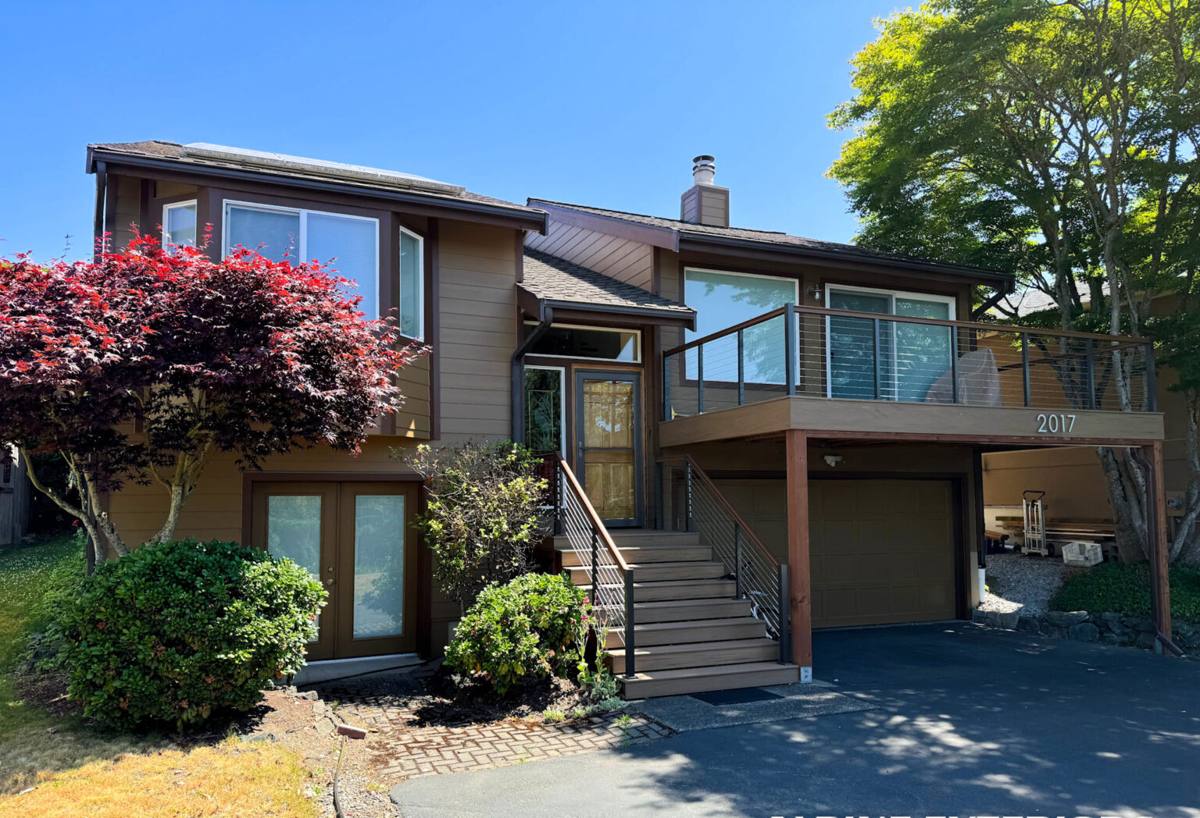
Why Coquina Key Roofs Wear Differently Than Other St. Petersburg Neighborhoods
Salt Air and Metal Fastener Corrosion
Being near open water means airborne salt settles on every exterior surface, including your roof. Over years, that salt accelerates corrosion on exposed metal — nail heads, flashing edges, and vent stacks — well before the shingles themselves are due for replacement. A roof that looks fine from the ground can have flashing that's already compromised underneath. We factor corrosion-resistant fastener and flashing choices into every Coquina Key job specifically because of this.
Sun Exposure and Granule Loss
Florida's UV load is intense year-round, and shingles lose their protective granule coating faster under sustained, direct sun with minimal shade. Granule loss is the first visible sign of a shingle aging out — it's what leaves dark, worn-looking patches on a roof that's otherwise structurally sound. In lower-canopy sections of Coquina Key, we generally see this show up sooner than the shingle manufacturer's rated lifespan would suggest, which is why we're candid with homeowners about realistic wear timelines rather than quoting textbook numbers.
Wind-Driven Rain and Hurricane Exposure
Wind doesn't just threaten to lift shingles — wind-driven rain during a tropical storm or hurricane pushes water sideways and upward under shingle edges, testing every seam, nail, and piece of flashing on your roof at once. A roof that sheds normal rainfall fine can still leak badly in a wind-driven event if the installation wasn't done with that specific stress in mind. This is the single biggest reason installation quality matters more here than the shingle brand you choose.
What a Correct Asphalt Shingle Job Involves in This Climate
A roof that's going to hold up on Coquina Key needs more than shingles nailed to plywood. Every layer underneath the visible surface is doing real work, and skipping or shortcutting any of them is where problems start.
- Deck inspection and repair — soft, delaminated, or water-damaged decking gets replaced before anything goes on top of it, not covered up.
- Self-adhering underlayment at eaves and valleys — these are the areas most likely to see wind-driven water intrusion, and they get extra protection beyond the field underlayment.
- High-wind-rated shingle installation — proper nail count, placement, and sealant activation matter as much as the shingle's own wind rating on the packaging.
- Corrosion-resistant flashing and fasteners — chosen with salt air exposure in mind, not generic hardware-store stock.
- Balanced attic ventilation — intake and exhaust that work together to keep attic temperatures and moisture in check, which protects the deck and the shingles from beneath.
- Sealed penetrations — every vent stack, pipe boot, and roof-to-wall junction checked and properly flashed, since these are common leak points that have nothing to do with the shingles themselves.
Our Process for Coquina Key Roofing Projects
1. On-Site Inspection
We walk the roof and attic in person before recommending anything. That includes checking the deck condition, existing ventilation, flashing condition around chimneys and walls, and how the current roof has held up to prior storm seasons.
2. Honest Assessment
Not every roof needs full replacement. If targeted repair — replacing damaged flashing, resealing a penetration, or patching a section of storm damage — will genuinely solve the problem, that's what we recommend. We'll tell you plainly when a roof is close enough to the end of its service life that repair isn't the better long-term value.
3. Written Scope and Materials
You get a clear, written breakdown of what's being done, which materials are being used, and why — no vague line items.
4. Installation
Deck repair first, then underlayment, flashing, and shingles installed to manufacturer and local code wind requirements, with daily site cleanup so the job doesn't disrupt your street or your neighbors.
5. Final Walkthrough
We review the completed roof with you, confirm ventilation and flashing details, and make sure you understand your warranty coverage before we consider the job done.
Shingle Options and How They Compare for This Area
Not every asphalt shingle product performs the same way under sustained sun, salt exposure, and hurricane-force wind. Here's a general comparison of the tiers most homeowners consider:
| Shingle Type | Wind Performance | Sun/Salt Durability | Typical Warranty Structure |
|---|---|---|---|
| 3-Tab (economy) | Lower wind rating, more vulnerable to lifting | Faster granule loss under intense UV | Shorter, often prorated |
| Architectural/Dimensional | Higher wind rating, better seal-down performance | Thicker mat holds up better to sun and salt exposure over time | Longer, often with better wind coverage |
| Impact-Rated Architectural | Highest wind rating available in asphalt shingles | Same durable mat as standard architectural, added impact resistance | Longest, may qualify for insurance premium credits |
For most Coquina Key homes, we steer homeowners toward architectural shingles at minimum, given the wind and sun exposure this neighborhood sees. Impact-rated options are worth discussing if you're also looking at potential insurance savings, which varies by carrier and policy.
Cost Factors Specific to Coquina Key Homes
Every roof is priced based on its own specifics, but a few factors tend to move the number more here than elsewhere in St. Petersburg:
| Factor | Why It Matters Locally |
|---|---|
| Roof pitch and complexity | Waterfront homes often have architectural features (multiple valleys, dormers) that add labor and flashing detail |
| Deck condition | Older Coquina Key homes may have decking that needs repair once the old roof is removed |
| Shingle tier selected | Architectural and impact-rated products cost more upfront but hold up longer under this area's sun and wind load |
| Ventilation upgrades needed | Homes with inadequate attic ventilation may need added intake or exhaust vents as part of the job |
| Permitting and code requirements | Wind-zone requirements in coastal Pinellas County can affect fastening specs and inspection steps |
Maintenance That Actually Extends Roof Life Here
A little attention between major storms goes a long way in this environment. We recommend homeowners:
- Have the roof visually inspected after any named storm or significant wind event, even if there's no obvious interior leak.
- Keep gutters clear so wind-driven rain has somewhere to drain instead of backing up under shingle edges.
- Watch for granule buildup in gutters or downspouts, which signals accelerating shingle wear.
- Have flashing around chimneys, vents, and wall junctions checked every few years, since these fail before the shingle field usually does.
- Address small leaks immediately rather than waiting — saltwater-influenced humidity speeds up hidden wood rot once moisture gets into the deck.
Why Local Experience in Coquina Key Matters
A roofing crew that regularly works this specific part of St. Petersburg understands things a generic quote from an out-of-area company won't account for — how exposed a given block is to open water, what wind-zone requirements apply, and what installation details actually hold up here versus what merely meets minimum code. We're not guessing at what this neighborhood needs; it's informed by doing this work in Pinellas County's coastal conditions, roof after roof.
That local familiarity also means faster response after a storm, straightforward answers about what your specific home needs, and a crew that's still local and reachable long after the job is finished — not a name that showed up after a hurricane and left town once the rush was over.
Get a Free, No-Pressure Estimate
If your Coquina Key home needs a new asphalt shingle roof, a repair, or just an honest inspection to see where things stand, we're glad to take a look. Fill out the form below for a free estimate — no pressure, no obligation, just a straight assessment of what your roof actually needs.