 St. Petersburg
 Metal Roofing in Childs Park: What Local Homes Actually Need
Childs Park is a well-established St. Petersburg neighborhood, and like most of Pinellas County, it sits close enough to the water that every roof on every block is dealing with the same combination of stressors: tropical humidity, punishing UV exposure almost year-round, wind-driven rain that finds its way into anything less than a fully sealed roof system, and salt-laden air that never really stops moving inland off Tampa Bay and the Gulf. A roof here isn't just shedding water — it's fighting a slow chemical and mechanical battle every single day it's up there.
Metal roofing has become a popular answer to that fight for a good reason: done correctly, it holds up to wind uplift better than most other roofing types, doesn't absorb water, reflects a large share of solar heat instead of storing it, and has a service life that's typically double or more what you'd get from a standard asphalt shingle roof. But "done correctly" is doing a lot of work in that sentence. Metal roofing is unforgiving of shortcuts in a way that shingle roofing often isn't, and a poor install can turn a 40-plus-year roofing system into a leak-prone liability inside a few years. This page is about what a correct metal roof looks like specifically for a Childs Park home, and what to expect from a crew that actually works this neighborhood on a regular basis.
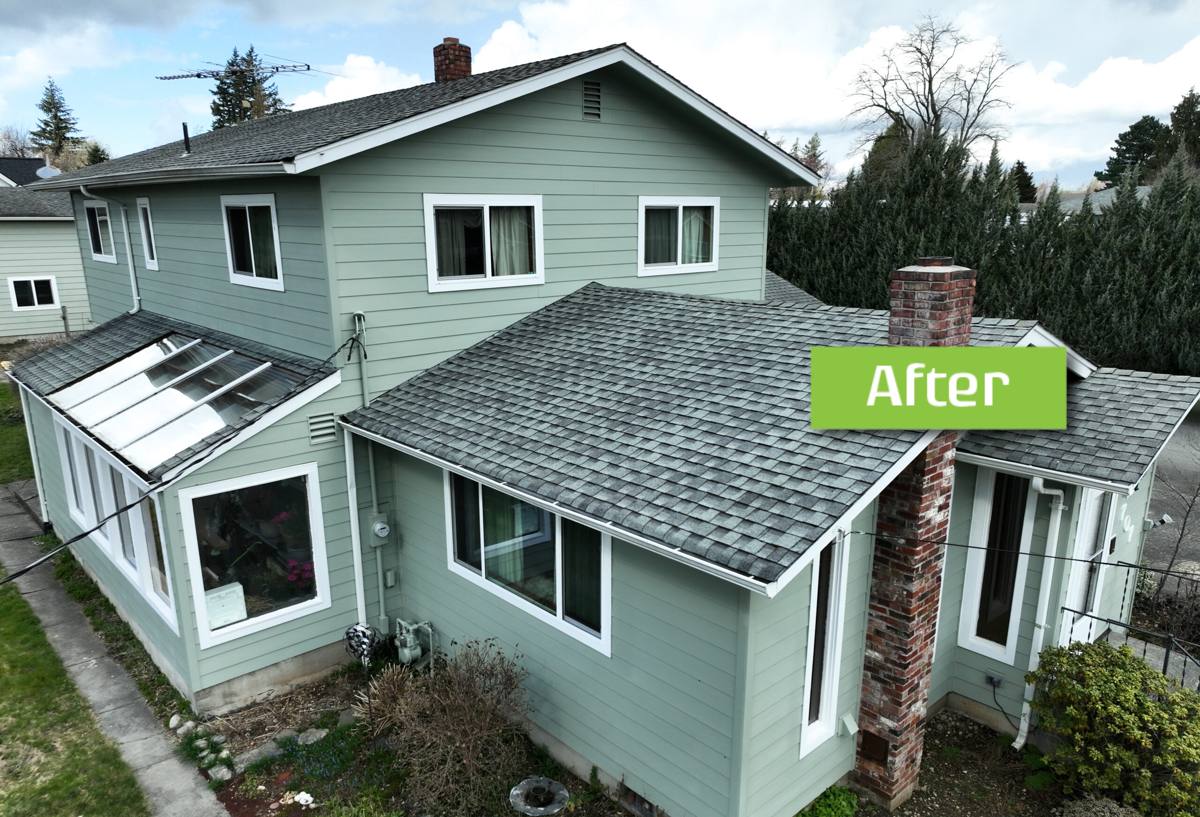
What Pinellas County Weather Does to a Roof Over Time
It helps to be specific about what a roof in this part of Florida is actually up against, because it shapes every material and installation decision that follows.
Hurricane and Tropical Storm Wind Loads
St. Petersburg sits in a wind zone where roofs are engineered and permitted to specific uplift resistance requirements under the Florida Building Code. Wind doesn't just push down on a roof — it creates uplift pressure at eaves, ridges, and corners that tries to peel roofing material off the deck. A metal roof's wind performance depends almost entirely on the fastening pattern, panel-to-panel seaming, and edge detailing, not just the metal itself.
Year-Round UV Exposure
Florida sun is intense and consistent for most of the year. UV breaks down organic roofing materials, dries out sealants, and fades pigments. Quality metal roofing with a baked-on paint finish handles UV far better than asphalt or many coated products, but the fasteners, sealants, and trim details still need UV-stable components or they become the weak point.
Wind-Driven Rain
A lot of Florida roof leaks aren't from rain falling straight down — they're from rain being pushed sideways and even slightly upward under high wind. That means underlayment quality, lap direction, and flashing details around penetrations and walls matter as much as the roof covering itself.
Salt Air Corrosion
Being close to the bay means airborne salt settles on every exterior surface, including the roof. Salt accelerates corrosion on fasteners, cut edges, and any exposed metal that isn't properly coated or protected. This is one of the biggest differences between a metal roof that lasts decades and one that starts showing rust streaks and fastener failure in under ten years.
Metal Panel Options for Childs Park Homes
Not all metal roofing is the same product wearing different colors. The panel style and fastening method make a real difference in performance and price.
| Panel Type | How It's Fastened | Best For | Trade-Offs |
|---|---|---|---|
| Standing Seam | Hidden clips, no exposed fasteners on the field | Homes wanting the longest service life and cleanest look | Higher upfront cost, requires skilled installation |
| Metal Shingles / Shakes | Interlocking panels, fasteners covered by the next course | Homeowners who want a traditional shingle or tile look with metal durability | More seams and details than standing seam; installer skill matters |
| Exposed-Fastener Panel | Screws driven through the panel face into the deck | Budget-conscious projects, outbuildings, some full re-roofs | Fasteners and washers eventually need re-torquing or replacement; more failure points in salt air |
For primary residences in a coastal-influenced area like this one, we generally steer homeowners toward standing seam or a quality metal shingle system, specifically because they minimize the number of exposed fasteners that salt air and UV can attack over time. Exposed-fastener panels aren't a bad product — they're just a different maintenance commitment, and we'll always tell you that honestly rather than upsell you into something your budget or use case doesn't need.
What a Correct Metal Roof Installation Actually Involves
The panels themselves get most of the attention, but the parts you don't see are usually what determine whether the roof performs in a storm.
Deck Inspection and Prep
Before anything goes down, the existing deck gets inspected for soft spots, rot, or delamination — especially around older penetrations and valleys where past leaks may have gone unnoticed. Metal roofing amplifies any deck problem instead of hiding it, so this step doesn't get skipped.
Underlayment
A synthetic, high-temperature underlayment rated for metal roofing goes down as the actual waterproofing layer beneath the panels. In wind-driven rain conditions, this layer — along with correctly lapped seams and sealed penetrations — is what keeps water out even if wind ever forces moisture past the panel seams themselves.
Fastening and Panel Attachment
Fastener spacing, clip type, and panel gauge all get selected to meet the wind uplift rating required for the home's specific site conditions under Florida Building Code. This isn't a place to substitute a lighter clip or wider fastener spacing to save time — it's the single biggest factor in whether the roof stays attached in a major wind event.
Flashing and Penetration Details
Chimneys, vent stacks, skylights, and wall intersections are where the majority of roof leaks originate, metal or not. Correct step flashing, counterflashing, and penetration boots — sealed with UV-stable, metal-compatible sealants — are non-negotiable details, not finishing touches.
Ventilation
A metal roof still needs a properly balanced intake and exhaust ventilation system underneath it. Without it, attic heat and moisture can build up regardless of how reflective the metal is on top, leading to condensation issues that have nothing to do with the roofing material and everything to do with airflow.
Our Process, Start to Finish
- Roof assessment: We inspect the existing roof, deck condition, ventilation, and any problem areas before recommending a scope of work.
- Honest recommendation: We walk you through panel options, realistic cost ranges, and what fits your home and budget — no pressure toward the most expensive system if it isn't the right fit.
- Written estimate and timeline: You get a clear scope, materials list, and schedule before any work begins.
- Permitting: Metal roof replacements in Pinellas County require a permit and inspection; we handle that process so it's done correctly, not skipped.
- Tear-off and deck repair: Old roofing comes off, the deck is inspected, and any rot or soft spots are repaired before underlayment goes down.
- Installation: Underlayment, panels, flashing, and trim are installed to code and manufacturer specification.
- Final walkthrough: We go over the finished roof with you, confirm everything meets the agreed scope, and answer any remaining questions.
Wind Codes and Permits: Why This Isn't Optional Paperwork
Florida's building code requirements exist because of decades of hard lessons from hurricanes, and Pinellas County enforces them through required permitting and inspection on roofing work. A permitted, inspected metal roof install isn't bureaucratic overhead — it's a second set of eyes confirming the fastening pattern, flashing, and materials actually meet the wind uplift and water intrusion standards your home needs. It also matters for insurance: many carriers and mitigation credit programs specifically look for permitted roofing work with documented compliance, which can affect your premium. A crew that treats permitting as optional or "we'll handle it later" is a red flag, not a convenience.
Maintenance: What Keeps a Metal Roof Performing for Decades
Metal roofing is low-maintenance compared to most alternatives, but "low-maintenance" isn't "no-maintenance," especially in a salt air environment. A simple annual routine goes a long way:
- Visually inspect for loose or lifted panels, especially after any significant storm
- Check exposed fasteners (if applicable) for backing out, rust staining, or worn washers
- Clear debris, leaves, and organic buildup from valleys and around penetrations
- Inspect flashing around chimneys, vents, and wall intersections for gaps or cracked sealant
- Rinse accumulated salt residue off the roof surface periodically, especially on homes closer to the water
- Confirm gutters and downspouts are flowing freely so water isn't backing up under roof edges
- Have a professional inspection after any named storm that produced sustained high winds
What Metal Roofing Costs Depend On
Every roof is different, so we won't quote a number without seeing the actual job, but the honest cost drivers are consistent from one Childs Park home to the next.
| Factor | Why It Moves the Price |
|---|---|
| Panel type | Standing seam costs more than exposed-fastener panel due to material and labor complexity |
| Roof complexity | Steep pitches, multiple valleys, and dormers take more labor and material than a simple gable roof |
| Deck condition | Rot or soft decking discovered during tear-off adds repair cost not visible from the ground |
| Tear-off vs. overlay | Full tear-off costs more upfront but avoids trapping moisture problems under new roofing |
| Ventilation upgrades | Older homes often need intake or exhaust vent corrections as part of a proper install |
Broadly speaking, metal roofing carries a higher upfront cost than asphalt shingles, but the gap narrows significantly when you factor in service life, storm resilience, and reduced cooling costs from a reflective surface. We'll always give you real numbers for your specific roof rather than a generic range that doesn't mean much.
Why It Matters That We Already Work in Childs Park
Roofing crews who work regularly in this part of St. Petersburg understand the local permitting process, know what Pinellas County inspectors are checking for, and have already seen how different roof designs in this area hold up over multiple storm seasons. That familiarity shows up in small but important ways — knowing which flashing details tend to fail first on homes exposed to bay-driven wind, sourcing hardware rated for the salt air conditions instead of generic fasteners, and being available for follow-up if a question comes up after a big storm rolls through. A crew that's only passing through doesn't have that context, and on a roofing system where the details determine whether it survives a hurricane season, that context is worth something real.
If you're weighing a metal roof for your Childs Park home, we're happy to take a look and give you a straight assessment — no pressure, no hard sell. Reach out for a free estimate using the form below, and we'll walk through your roof, your options, and what makes sense for your home and budget.