 St. Petersburg
 Asphalt Shingle Roofing Built for Childs Park's Climate
Childs Park is one of St. Petersburg's established residential neighborhoods, with a housing stock that spans decades of Florida construction — from older single-story homes to more recently re-roofed properties. Whatever the age of the house, the roof over it is doing the same job every other roof in this part of Pinellas County has to do: shed water in a tropical climate, survive summer heat that bakes shingles from above, and hold together when a named storm rolls through the Tampa Bay area. Asphalt shingle roofing remains the most common and most cost-effective option for Childs Park homes, but "asphalt shingles" covers a wide range of products and installation quality. A shingle roof installed correctly for this climate can perform well for its full rated life. One installed with shortcuts — thin underlayment, reused flashing, poor nailing pattern — will show problems well before that, usually right after the first serious storm season.
This page covers what asphalt shingle roofing work actually involves for a Childs Park home, what correct installation and repair look like, and why a crew with real experience in this specific part of St. Petersburg makes a measurable difference in how the roof performs over time.
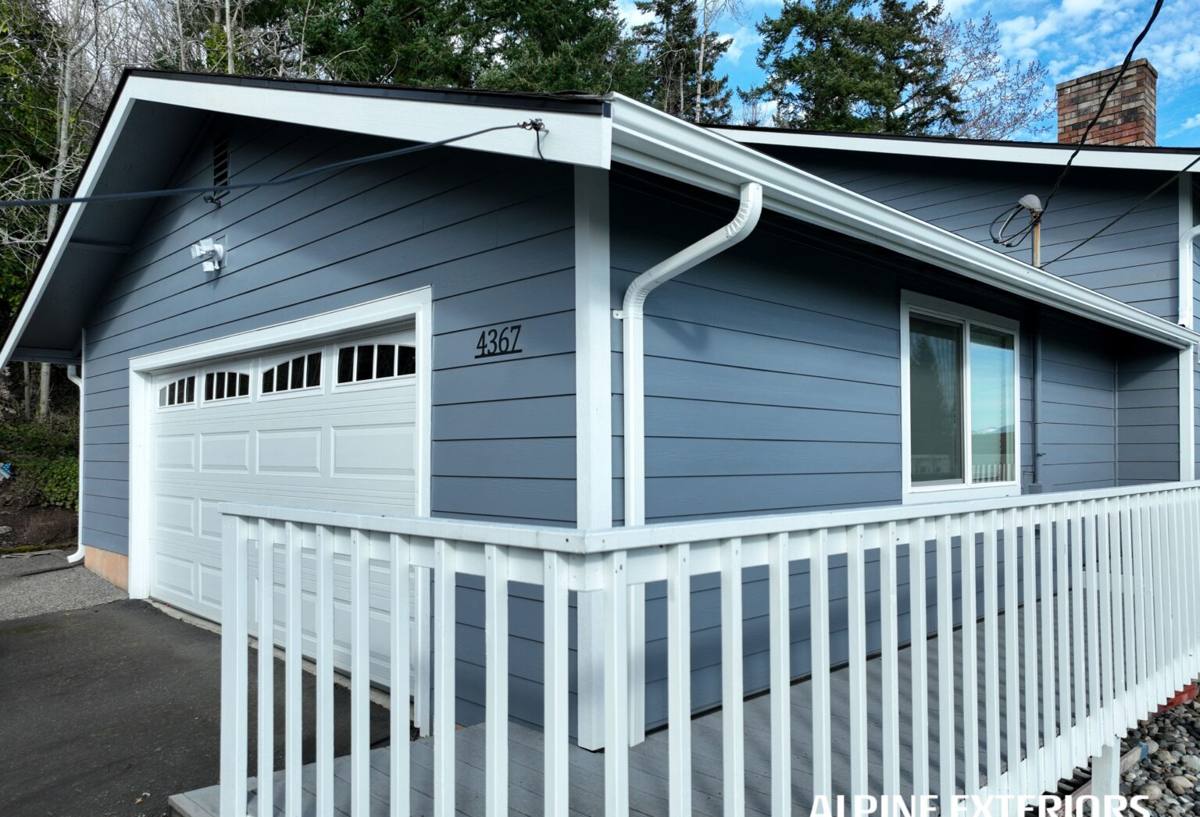
What Childs Park Roofs Are Up Against
St. Petersburg sits on a peninsula between Tampa Bay and the Gulf of Mexico, and every roof in Pinellas County — Childs Park included — deals with the same set of stresses layered on top of each other year after year.
Hurricane-Force and Tropical Storm Winds
Even homes that never take a direct hurricane hit still see tropical-storm-force gusts most years, plus the straight-line winds that come with summer thunderstorms and the occasional spin-up tornado from a passing storm cell. Wind doesn't just rip shingles off in a single dramatic event — it works corners and edges loose gradually, lifting tabs a fraction of an inch at a time until a strong gust finally catches underneath and peels a section away.
Intense, Year-Round UV Exposure
Florida's sun angle and number of clear-sky days mean shingles here take more cumulative UV exposure per year than in most of the country. UV breaks down the asphalt binders that keep a shingle flexible and its granules attached. Over time this shows up as granule loss, brittleness, and shingles that crack instead of flex when wind or foot traffic stresses them.
Wind-Driven Rain
Rain that falls straight down is easy for any roof to handle. Rain driven sideways by 40-60 mph gusts is a different problem — it gets pushed up under shingle tabs, into nail penetrations, and along flashing edges that would never leak in a calm rain. This is why underlayment quality and flashing detail work matter as much as the shingle itself.
Salt Air
Childs Park isn't directly on the water, but St. Petersburg as a whole sits close enough to Tampa Bay and the Gulf that salt-laden air reaches every neighborhood in the city to some degree. Salt accelerates corrosion on exposed metal — nail heads, flashing, drip edge, vent stacks — which is part of why fastener and flashing material choice matters more here than it would in an inland, dry climate.
What a Correct Asphalt Shingle Roof Involves
A shingle roof is a system, not a single product. Every layer has to be right for the roof to perform as a whole, and skipping or downgrading any one layer is usually where problems start.
Tear-Off and Deck Inspection
We don't install new shingles over old ones. A full tear-off lets us actually see the roof deck — the plywood or OSB sheathing underneath — and check it for soft spots, water staining, or delamination before anything new goes down. Installing over a compromised deck just hides the problem under a new roof and guarantees it resurfaces later, often as a leak with no obvious point of entry.
Underlayment
Underlayment is the water-resistant layer between the deck and the shingles, and it's your backup protection if wind ever lifts a shingle edge during a storm. In this climate we treat underlayment as a real line of defense, not a formality — synthetic or self-adhering underlayment in vulnerable areas (eaves, valleys, around penetrations) does far more work here than a builder-grade felt would.
Shingle Selection and Wind Rating
Not all asphalt shingles carry the same wind rating, and the difference matters in a coastal wind zone. We install shingles rated for the wind speeds Pinellas County actually sees, with a nailing pattern that matches the manufacturer's high-wind installation instructions — not the minimum nail count, the correct one for this exposure.
Flashing and Ventilation
Most shingle roof leaks don't happen in the open field of shingles — they happen at flashing: chimneys, sidewalls, valleys, plumbing stacks, and roof-to-wall transitions. Correct flashing work, done in corrosion-resistant materials given the salt air, is where a lot of the actual leak protection lives. Proper attic ventilation matters too — it keeps shingles cooler in summer heat, which slows UV-driven aging and helps prevent the heat buildup that shortens shingle life from underneath.
Shingle Options for a Childs Park Home
Homeowners usually choose between three tiers of asphalt shingle. Each has real trade-offs — there's no universally "best" option, only the right fit for the home, the roof's exposure, and the budget.
| Shingle Type | Typical Wind Rating | Expected Lifespan | Best Fit For |
|---|---|---|---|
| 3-Tab | Lower (60-70 mph range) | 15-20 years | Budget-focused projects, less wind-exposed roof planes |
| Architectural (Laminate) | Higher (110-130 mph range, product dependent) | 25-30 years | Most Childs Park homes — the standard recommendation for this climate |
| Premium/Designer Architectural | Highest tier available in asphalt | 30+ years | Homeowners prioritizing appearance and maximum durability |
For most homes in this neighborhood, we recommend architectural shingles as the baseline — the wind performance and lifespan justify the modest cost difference over 3-tab, especially given how much wind exposure this area actually sees in a typical year.
How We Approach the Job
- On-site inspection. We look at the current roof, the deck condition where accessible, ventilation, and any problem areas the homeowner has already noticed.
- Honest scope and written estimate. Repair, partial re-roof, or full replacement — we tell you what the roof actually needs, not what's easiest to sell.
- Material selection. We walk through shingle tier, color, and wind rating options based on your budget and the roof's exposure.
- Permitting. Roofing work in St. Petersburg requires a permit and inspection under the Florida Building Code — we handle that process as part of the job.
- Tear-off, deck repair if needed, underlayment, flashing, and shingle installation — done in that order, with no step skipped to save time.
- Final walkthrough and cleanup. Magnetic sweep for nails, debris removal, and a final check with the homeowner before we consider the job done.
Repair or Replace? A Practical Checklist
Not every roof problem means a full replacement. Here's how we think through it, and what a homeowner can check for before calling anyone:
- Granules collecting in gutters or at downspouts in noticeable amounts — sign of accelerating shingle wear
- Shingles that are cracked, curling at the edges, or missing tabs in more than one area
- Visible daylight through the attic roof deck, or water staining on attic sheathing
- Ceiling stains inside the home, especially ones that appear or grow after wind-driven rain
- Roof age — most architectural shingle roofs in this climate start needing real evaluation in the 18-25 year range
- Multiple past patch repairs in different areas — often a sign the roof is past the point where patching makes sense
- Soft or spongy spots when the roof is walked, indicating deck damage underneath
One or two items on this list might point to a targeted repair. Several at once, or an older roof combined with any of these signs, usually means replacement is the more honest recommendation — patching an aging roof repeatedly often costs more over a few years than one correct replacement.
Maintenance That Actually Extends Roof Life Here
Asphalt shingle roofs in Pinellas County benefit from a maintenance rhythm that accounts for the climate rather than a generic schedule pulled from a cooler, drier region.
- Clean gutters and downspouts regularly so wind-driven rain has somewhere to go instead of backing up under eaves
- Have the roof checked after any named storm or significant wind event, even if no leak is visible from inside
- Trim back overhanging tree limbs that can abrade shingle granules or drop debris during high wind
- Check and maintain attic ventilation so summer heat isn't accelerating shingle aging from underneath
- Address small flashing or sealant issues promptly — they're inexpensive to fix early and expensive to ignore
Permits, Codes, and Insurance in St. Petersburg
Roof replacement and most roof repair work in St. Petersburg requires a permit under the Florida Building Code, and Pinellas County's wind zone requirements shape what's acceptable for nailing patterns, underlayment, and shingle wind ratings. This isn't optional paperwork — it's what protects the homeowner if there's ever an insurance claim tied to storm damage, since insurers can and do ask for proof that work was permitted and inspected. We handle permitting as a standard part of every job, and we can also provide the documentation many insurers want to see for wind mitigation credits, which can meaningfully affect a homeowner's insurance premium in this part of Florida.
Why a Crew That Works Childs Park Matters
Roofing crews who work regularly in this part of St. Petersburg understand the practical realities of the neighborhood — the age range of the housing stock, the typical roof pitches and shapes found here, and how quickly a job needs to move to avoid being caught mid-project by an afternoon storm during the wet season. That local familiarity shows up in small but real ways: knowing which underlayment and flashing choices hold up given this specific coastal exposure, sequencing tear-off and dry-in correctly so an open roof is never left exposed longer than necessary, and being available for a fast, honest look if storm damage shows up after a bad wind event. A roofing crew based elsewhere in the region can certainly do competent work, but there's no substitute for a crew that already knows this climate and has done this exact kind of job, in this kind of neighborhood, before.
If you're weighing a repair, a full replacement, or just want an honest read on how much life is left in your current roof, we're happy to take a look. Request a free, no-pressure estimate using the form below — we'll give you a straight assessment of your roof's condition and what it actually needs.