 St. Petersburg
 Windows Built for a Waterfront Neighborhood
Coquina Key sits on the water, and that changes what a window installation needs to accomplish. This isn't a generic replacement job dropped into any St. Petersburg zip code — it's work done on homes that face open water and canal frontage, where wind pressure, humidity, and airborne salt hit harder and more often than they do a few miles inland. A window that performs fine in a landlocked neighborhood can fail early here if it wasn't chosen and installed with that exposure in mind.
We work in Coquina Key regularly, and the patterns repeat: aging aluminum frames that have pitted or seized, hardware that's corroded past the point of smooth operation, and seals that gave out years before a comparable window would fail on a drier, more sheltered lot. None of that is a knock on the neighborhood — it's just what waterfront exposure in Pinellas County does to a building envelope over time, and it's exactly what a correctly specified and installed window system is designed to withstand.
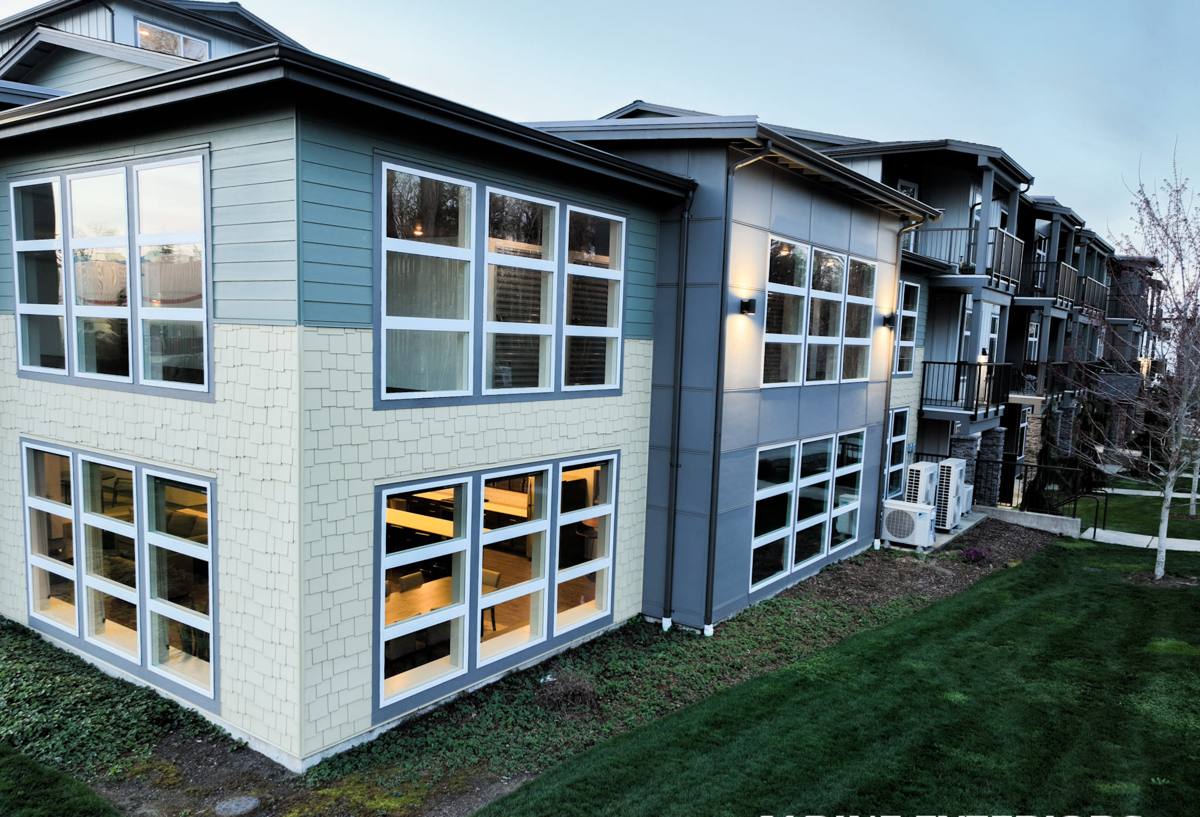
What Canal-Front Exposure Does to Windows
Salt Air and Corrosion
Homes near open water and tidal canals stay in near-constant contact with salt-laden air, even without direct spray. Salt accelerates corrosion on metal window components — hinges, rollers, balance mechanisms, screws, and older aluminum framing itself. Once corrosion starts inside a frame or hardware channel, it's rarely a simple fix; the window usually needs to come out. We spec corrosion-resistant hardware and fasteners on every Coquina Key installation for this reason, not as an upsell but because standard-grade hardware is a known weak point this close to the water.
Wind-Driven Rain
Tropical downpours in this part of Florida rarely fall straight down — they come sideways, driven by storm winds off the bay. Water finds any gap in flashing, sealant, or fastening that a calmer climate would let slide. A window can look perfectly installed and still leak during the next squall if the flashing detail behind the trim isn't right. This is the single most common cause of the interior water stains and soft drywall we get called out to diagnose on homes with older or improperly installed windows.
Hurricane-Force Wind and UV Load
Pinellas County sits in Florida's wind-borne debris region, and Coquina Key's open exposure to the bay means design wind pressures here run on the higher end for the area. Windows and their anchoring have to be engineered for that load, not just for appearance. Layer on Florida's near year-round UV intensity — which breaks down vinyl, degrades seals, and fades interior finishes through unprotected glass — and it's clear why a window built and installed for, say, a shaded inland lot in Ohio has no business going into a Coquina Key home.
Florida Building Code and Permitting
Window replacement in St. Petersburg is a permitted job, not an optional formality. Every window we install carries a Florida product approval (an NOA or state approval number) matched to the wind pressure and impact requirements for your specific location, and the permit process verifies that on paper before the city signs off. A note on terminology: Coquina Key is not in Florida's High-Velocity Hurricane Zone — that designation applies to Miami-Dade and Broward Counties. Pinellas County still falls within the state's wind-borne debris region, which means impact-rated glass or an approved protective system is required by code; the engineering standard is different from the HVHZ, but it's not optional or lighter in any meaningful sense for a homeowner.
We pull the permit, coordinate the inspection, and handle the paperwork as part of the job. Skipping this step — which happens more than homeowners realize when a crew is trying to save time — can leave you with an uninsurable install and real problems at resale, since a missing final inspection shows up in county records.
What a Correct Window Installation Actually Involves
A window installation is judged by what's happening inside the wall, not just how the finished trim looks. The steps that actually determine whether a window survives a decade of Coquina Key weather are mostly invisible once the job is done:
- Removing the old window and window buck (the rough framing) without damaging surrounding structure
- Inspecting for wood rot, corrosion, or water damage in the opening and repairing it before anything new goes in
- Installing new flashing tape and a drainage path so any water that does get past the exterior finish has somewhere to go besides your wall cavity
- Setting the window level, plumb, and square — an out-of-square opening is a common cause of premature seal failure
- Anchoring with the correct fastener type, spacing, and embedment for the window's rated wind load, per its product approval
- Sealing with a compatible, marine-grade exterior sealant rated for UV and salt exposure — not a generic interior caulk
- Insulating the gap between the frame and the rough opening properly, without overpacking it in a way that bows the frame
- Finishing interior and exterior trim and confirming smooth operation before we consider the job done
Any one of these steps done poorly can undo the value of an otherwise good window. It's why we treat installation quality as equal in importance to the product itself.
Choosing the Right Window for a Coquina Key Home
There's no single "best" window for every home — the right choice depends on your budget, your home's age and construction, and how much of the year you want to think about maintenance. Here's how the common options compare for a waterfront St. Petersburg property:
| Frame Material | Salt Air Resistance | Wind Performance | Maintenance |
|---|---|---|---|
| Vinyl (impact-rated) | Very good — won't corrode | Strong when properly reinforced | Low; occasional cleaning |
| Aluminum (modern, coated) | Good with quality finish; older uncoated aluminum corrodes faster | Very strong, narrow sightlines | Moderate; watch for coating wear near the coast |
| Fiberglass | Excellent — highly stable material | Strong | Low, but higher upfront cost |
| Wood (clad or unclad) | Poor unless well-clad and maintained | Depends on cladding and hardware | High; not typically recommended this close to the water |
For most Coquina Key homes, we steer clients toward impact-rated vinyl or fiberglass, or a quality coated aluminum system, because they hold up to salt exposure with the least ongoing upkeep. We generally advise against uncoated or older-style aluminum and unclad wood this close to open water — not because those products are inherently bad, but because the maintenance burden and corrosion risk in a canal-front environment make them a poor match for the setting, and we'd rather be honest about that trade-off upfront than sell something that needs babying within a few years.
How Our Process Works
1. On-Site Assessment
We walk the home, measure every opening, and check the condition of the existing bucks and framing — especially important on older Coquina Key homes where decades of humidity and salt air may have already done some damage that isn't visible from inside.
2. Product Selection and Quote
We recommend windows matched to your home's wind pressure requirements, budget, and how much maintenance you want to deal with down the road, and give you a clear, itemized quote — no vague allowances.
3. Permitting
We handle the permit application with the city and make sure the product approval documentation is in order before work begins.
4. Installation
Our crew removes old units, repairs any framing issues found, installs and flashes each window correctly, and finishes trim work to match your home.
5. Final Inspection and Walkthrough
We coordinate the city's final inspection and walk every window with you — checking operation, seals, and finish — before we call the job complete.
Problems We Commonly Fix From Prior Installs
A fair amount of our work in this area is correcting issues left by rushed or under-scoped previous installations. The recurring ones: missing or improperly lapped flashing that let water into the wall cavity, standard hardware installed on a waterfront home that corroded within a few years, fasteners that don't meet the required embedment for the local wind load, and window units installed without a permit or product approval on file — a problem that usually only surfaces when the home is sold or insured. None of these are visible from the street, which is exactly why they get missed until they cause damage.
Caring for Windows After Installation
Even a correctly installed, well-chosen window benefits from basic upkeep in a salt-air environment. A short seasonal routine goes a long way:
- Rinse frames, tracks, and hardware with fresh water every few weeks to clear salt buildup
- Check and clean weep holes so water can drain instead of pooling in the frame
- Lubricate rollers, hinges, and locks with a marine-grade lubricant, not a generic household oil
- Inspect exterior sealant annually for cracking or separation, especially after hurricane season
- Address any soft or discolored trim promptly — it's often the first visible sign of a flashing issue
Why a Crew That Already Works Coquina Key Matters
Window installation quality comes down to details that don't show up in a sales brochure — the flashing behind the trim, the fastener spec matched to your actual wind exposure, the hardware grade suited to salt air. A crew that already works waterfront St. Petersburg neighborhoods like Coquina Key has seen how homes here age, knows which shortcuts cause callbacks two years later, and is familiar with the city's permitting process instead of learning it on your job. That familiarity is the difference between a window installation that's still performing well in fifteen years and one that's back on our repair list in five.
If you're weighing window replacement for a Coquina Key home, we're glad to take a look and give you a straightforward, no-pressure estimate — what your home actually needs, what it will cost, and why. Use the form below to get started.