 St. Petersburg
 Snell Isle Roofs Face a Tougher Environment Than Most
Snell Isle sits on the water, and that proximity to Tampa Bay shapes everything about how a roof ages there. Between the salt-laden air coming off the canals and open water, the mature tree canopy that shades many of the older homes, and the intense Gulf Coast sun beating down nearly every day of the year, roofing materials on Snell Isle work harder than they would a few miles inland. Add in a direct or near-direct hit from a tropical system or a strong seasonal thunderstorm line, and a roof that looked fine a week earlier can develop real problems fast.
We repair storm-damaged roofs throughout St. Petersburg and Pinellas County, and Snell Isle comes with its own set of considerations: waterfront wind exposure, older roof decks on some of the neighborhood's established homes, overhanging tree limbs that shed debris in high wind, and homeowners who often want repairs handled with a lighter touch given the character of their houses. This page covers what storm damage actually looks like, what a correct repair involves, and how we handle the job from first call to final inspection.
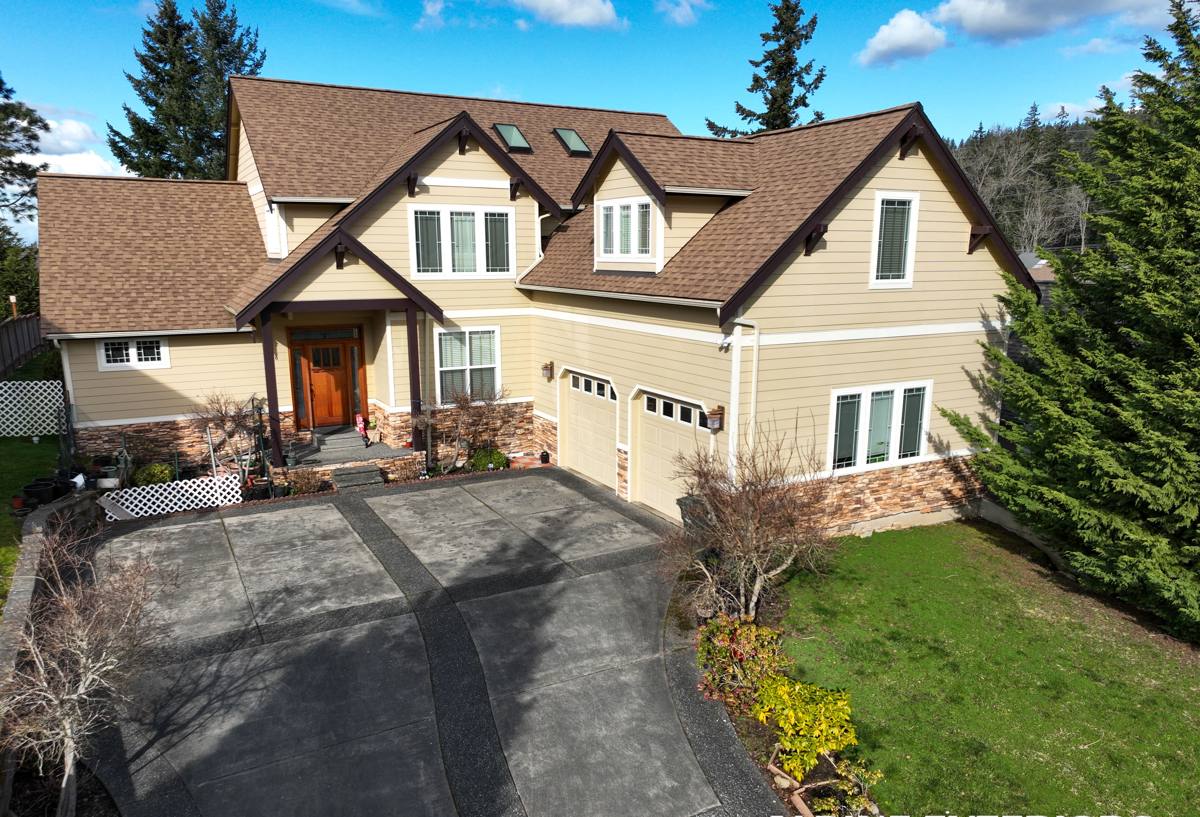
What Storm Damage Actually Looks Like on a Roof
Not all storm damage is obvious from the ground, and not every roof problem after a storm is actually storm-related. Here's what we're checking for on a post-storm inspection:
- Wind-lifted or missing shingles — tabs that have been peeled back, creased, or torn off entirely, often starting at ridges, edges, and hips where wind uplift is strongest.
- Granule loss — wind-driven rain and hail can strip the protective granule layer off asphalt shingles, leaving bare, shiny patches that accelerate UV breakdown.
- Flashing damage — bent, lifted, or separated flashing around chimneys, vents, skylights, and roof-to-wall transitions is a common source of leaks that homeowners don't notice until water shows up inside.
- Soffit and fascia damage — wind can pull soffit panels loose or crack fascia boards, opening a path for water and pests into the attic space.
- Puncture and impact damage — falling branches and wind-blown debris are a real factor on tree-lined streets, and even small punctures compromise the roof's waterproofing.
- Compromised underlayment or decking — damage that isn't visible from outside at all, usually found once shingles are pulled back during repair.
The tricky part is that wind and rain damage doesn't always announce itself right away. A lifted shingle that isn't reseated properly can let water intrude slowly over weeks, showing up later as a ceiling stain that seems to come out of nowhere.
Why Fast, Correct Repair Matters More Here
Two things make timely repair especially important on Snell Isle. First, the salt air and near-constant humidity off the water accelerate any existing moisture problem — wet decking or insulation doesn't dry out and stay dry the way it might further inland. Second, the Florida sun goes to work immediately on any exposed underlayment or bare decking, and afternoon thunderstorms are frequent enough in the warmer months that a "temporary" tarp situation can turn into repeated saturation if it isn't addressed properly and promptly.
A roof that took wind damage is also more vulnerable the next time weather rolls through. Loose or missing shingles create an opening for the next storm's wind to get underneath the roof covering and cause much larger uplift damage. Repairing storm damage quickly isn't just about stopping today's leak — it's about not leaving the roof exposed for the next event.
Our Snell Isle Storm Repair Process
1. Inspection and Documentation
We walk the roof (or use a drone where a safe ground-level or aerial view is more appropriate) to identify every area of damage, not just the spot that's leaking. We photograph and document everything — this record matters if you're filing an insurance claim, and it helps us give you an honest, itemized picture of what needs to happen.
2. Temporary Protection
If there's active water intrusion or exposed decking, we get it protected first — proper tarping or dry-in materials secured well enough to handle wind and rain until permanent repairs can be made. This step gets skipped or done poorly more often than it should, and it's one of the most important parts of preventing a small problem from becoming a big one.
3. Scope and Estimate
We give you a clear, written scope of what needs repair versus what's cosmetic, along with an honest estimate. We'll tell you plainly if we think the damage is limited enough to be a straightforward repair, or if it's extensive enough that repair isn't the better long-term value.
4. The Repair Itself
Matching materials, proper fastening patterns, and correct flashing detail work are what separate a repair that lasts from one that fails again in the next storm. We match shingle type, profile, and color as closely as available product allows, and we don't cut corners on flashing or underlayment just because it's "only a repair."
5. Final Walkthrough
We review the completed work with you, confirm the repair area is fully sealed and weathertight, and make sure you have documentation for your records or insurance file.
Repair or Replace? How We Help You Decide
Not every storm-damaged roof needs to be replaced, and not every roof should be patched and left alone. The right call depends on a few honest factors:
| Factor | Leans Toward Repair | Leans Toward Replacement |
|---|---|---|
| Roof age | Roof is under 10-12 years old | Roof is near or past its expected service life |
| Extent of damage | Damage limited to one section or a handful of shingles | Damage is spread across multiple roof planes |
| Decking condition | Deck is dry and sound where checked | Deck shows rot, soft spots, or repeated past moisture |
| Material availability | Matching shingle still available | Discontinued product with no close match |
| Insurance scope | Adjuster's scope supports a repair | Adjuster's scope or damage extent supports full replacement |
We'll walk you through where your roof falls on these factors rather than defaulting to the most expensive answer. A well-executed repair on a roof with good bones is often the right call — and we'll say so.
Materials and Workmanship That Hold Up Here
Given the wind exposure and salt air on the waterfront side of St. Petersburg, we pay particular attention to a few details on every storm repair:
- Fastening pattern — we follow current Florida Building Code nailing requirements for the wind zone, not the minimum that happens to hold.
- Flashing material — corrosion-resistant metal and properly lapped, sealed transitions at every roof penetration, since salt air accelerates corrosion on lower-grade fasteners and flashing over time.
- Underlayment — self-adhering or synthetic underlayment in vulnerable areas (valleys, eaves, roof-to-wall transitions) as a secondary water barrier, not just a single layer of felt.
- Sealants — proper roofing sealants applied at the right locations, not as a substitute for correct flashing work.
None of this is unusual or upsold work — it's what a repair actually requires to hold up through the next wind event rather than needing to be redone in a year or two.
Working With Your Insurance Claim
We're not adjusters and we don't represent your insurance company, but we do a lot of storm repair work in Pinellas County and understand how the claims process generally goes. We can provide the photo documentation, damage assessment, and repair estimate you'll need to support a claim, and we're glad to meet an adjuster on-site if that's helpful. The decision to file a claim, and any conversations about coverage, are between you and your insurer — our job is to give you an accurate, honest picture of the roof's condition either way.
What to Do Right After a Storm
If you've just been through wind or hail and you're not sure how bad the damage is, here's a practical checklist:
- Check your yard and gutters for granules, shingle pieces, or flashing — often the first visible sign of roof damage.
- Look inside the attic (if safely accessible) for daylight, water stains, or damp insulation.
- Watch ceilings and interior walls over the next few days for new stains, even small ones.
- Avoid getting on the roof yourself — storm-damaged roofs can have hidden soft spots or loose sections that aren't safe to walk.
- Take photos of visible exterior damage from the ground if it's safe to do so.
- Call for an inspection before the next rain event, especially during Florida's wetter months.
- Hold off on signing anything with a storm-chasing contractor from out of the area before getting a second, local opinion.
Why a Crew That Already Works Snell Isle Matters
Storm repair isn't just a technical skill — it's local knowledge. Knowing how wind typically behaves coming off the water, understanding the roof types and ages common to Snell Isle's homes, and being familiar with the tree coverage and canal-front exposure that shape damage patterns here all make for a faster, more accurate assessment. It also means we're not disappearing after the check clears — we're a local St. Petersburg crew, working in Pinellas County day in and day out, available if a repair needs a follow-up look after the next round of weather.
If you've got storm damage on a Snell Isle roof, or you just want a second opinion on something that doesn't look quite right after the last round of wind and rain, we're happy to take a look. Reach out for a free, no-pressure estimate using the form below.