 St. Petersburg
 Storm Damage Roof Repair Built for Seminole's Climate
Seminole sits inland from the immediate Gulf beaches but still takes a direct hit every hurricane season. The same tropical systems that push storm surge into Madeira Beach and Indian Rocks Beach bring sustained wind, driving rain, and tornado-spinoff gusts straight through Seminole's neighborhoods. Add in Pinellas County's near-constant UV exposure and the salt-laden air that drifts inland off Boca Ciega Bay and the Gulf, and you have a roof environment that ages faster and fails differently than roofs in most of the country. A roof repair here isn't just patching a hole — it's restoring a system that has to survive wind, sun, and salt again next season.
We repair storm-damaged roofs on Seminole homes regularly, and the patterns are consistent: wind-lifted shingle tabs, cracked or slipped tile, torn flashing at valleys and penetrations, and granule loss that shows up as leaks weeks or months after the storm that caused it. Getting the repair right the first time matters more here than in milder climates, because a sloppy patch doesn't just fail eventually — it fails on the next named storm.
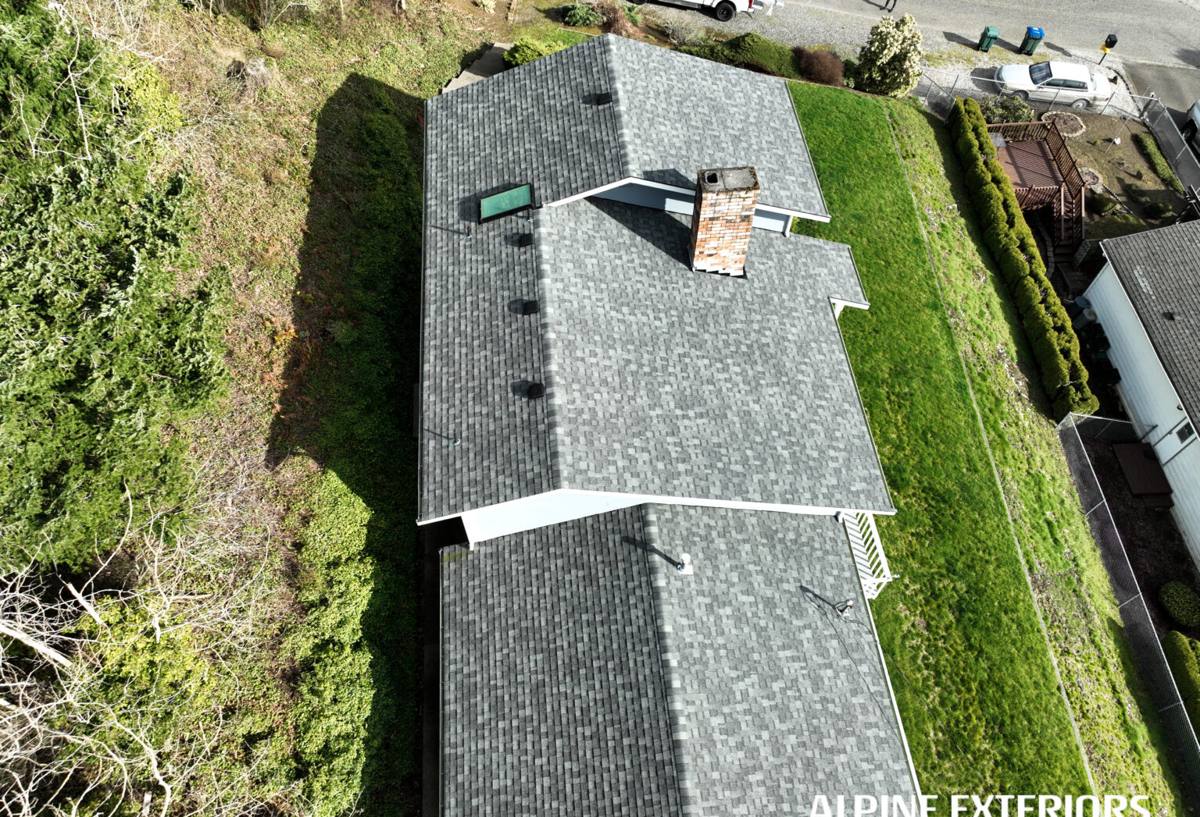
What Storm Damage Actually Looks Like on a Seminole Roof
Wind Damage
Sustained tropical-storm and hurricane-force wind lifts shingle tabs and works them loose even when they don't blow off completely. Once the seal strip is broken, that shingle is a leak waiting to happen — it may look fine from the ground until the next hard rain drives water underneath it. Tile roofs see a different failure: wind gets under a cracked or improperly fastened tile and can walk a whole section loose.
Wind-Driven Rain
Florida storms rarely arrive as straight-down rain. Wind pushes water sideways and upward under laps, flashing, and ridge caps that were never designed to shed water from that angle. This is the single biggest cause of storm-related interior leaks we see in Seminole — not a missing shingle, but rain forced in around one that's still technically in place.
Debris Impact
Falling branches and wind-borne debris crack tiles, puncture underlayment, and dent metal roofing or flashing. Impact damage is often small and localized, which makes it easy to miss during a quick visual check but just as capable of causing a slow leak as a larger area of wind loss.
Cumulative Sun and Salt Exposure
This is the part storm damage often reveals rather than causes. Central Florida's UV load bakes asphalt shingles and dries out sealant faster than in northern climates, and salt air accelerates corrosion on exposed fasteners and metal flashing. A roof that's already brittle from years of sun exposure sustains worse storm damage than a newer roof in the same wind event — which is why two houses on the same block can come through the same storm very differently.
Why Fast, Correct Repair Matters More Here Than Elsewhere
Florida's humidity means a small, undetected leak turns into wet insulation, staining, and mold growth in days, not weeks. Waiting on a repair — or getting a rushed, undersized patch from a storm-chasing crew — usually costs more in the long run than doing it right the first time. It also matters for insurance: most policies expect reasonable, prompt mitigation after a covered event, and undocumented delay can complicate a claim.
There's also a practical local reality: after a significant storm moves through Pinellas County, demand for roofing repair spikes all at once. Homeowners who already have a relationship with a local, licensed crew tend to get seen faster than those calling around cold in the days after landfall.
Our Storm Damage Roof Repair Process
- Emergency assessment and tarping. If a roof is actively leaking or has an open penetration, we prioritize a temporary, secure tarp or dry-in to stop water intrusion before anything else.
- Full roof inspection. We walk the roof (or inspect from a lift when walking isn't safe) and check shingles or tile, flashing, valleys, penetrations, ridge caps, soffit, and fascia — not just the area that's visibly damaged.
- Documentation. We photograph and note the damage in a way that supports an insurance claim, whether or not you've filed one yet.
- Repair plan. We tell you plainly whether the damage is a targeted repair or something that points toward a larger repair or full replacement — and why.
- Permitting. Roof repair work in Seminole falls under Pinellas County or City of Seminole permitting requirements depending on scope and location; we handle the permit and inspection process rather than skipping it.
- The repair itself. Matching materials, correct fastening patterns, proper flashing detail, and underlayment that meets current wind-driven-rain standards — not just a shingle swap.
- Final walkthrough. We confirm the repair with you and make sure documentation is ready if you're working an insurance claim.
Repair vs. Replacement: How We Decide
Not every storm-damaged roof needs a full replacement, and not every roof can be safely patched. Florida's building code also has specific thresholds for how much of a roof can be repaired before code requires bringing sections up to current standards — your contractor should know those rules and apply them honestly rather than pushing you toward the more expensive option by default.
| Factor | Leans Toward Repair | Leans Toward Replacement |
|---|---|---|
| Extent of damage | Isolated area, single slope or section | Spread across multiple slopes or a large percentage of total area |
| Roof age | Roof is under roughly half its expected service life | Roof is already near or past typical lifespan for the material |
| Underlying condition | Decking and underlayment are sound where inspected | Soft decking, widespread granule loss, or brittle underlying tile fasteners found |
| Material availability | Matching shingle or tile profile is available | Discontinued or mismatched material would leave a visibly patched roof |
| Insurance scope | Adjuster scope supports a repair line item | Adjuster scope or code-required upgrade pushes toward full replacement |
Materials and Methods We Use for a Storm-Ready Repair
A repair that's supposed to hold up against the next Gulf storm needs the same attention to detail as new construction, not shortcuts because it's "just a patch."
- Fasteners and nailing patterns that meet current Florida wind-load requirements, not whatever the original builder used decades ago
- Flashing details at valleys, walls, and penetrations rebuilt correctly rather than caulked over
- Underlayment rated for wind-driven rain in areas being opened up for repair
- Shingle or tile matched as closely as possible to existing material in color and profile
- Ridge caps and hip details refastened to current standards, since these are common failure points in wind events
- Sealants and flashing components chosen with Pinellas County's UV and salt exposure in mind, not generic hardware-store materials
Asphalt Shingle vs. Tile Repair
Shingle repairs are generally more straightforward to blend invisibly, since shingles weather more uniformly and replacement sections can be sourced or matched closely. Tile repair takes more care — older tile profiles are sometimes discontinued, and mismatched tile stands out permanently on a roof that's otherwise in good shape. We'll tell you upfront if an exact match isn't realistic so you can decide how to handle it rather than being surprised later.
Working With Your Insurance Company
Most Seminole homeowners dealing with storm damage are working through a homeowners insurance claim, and the roofing contractor's documentation plays a real role in how smoothly that goes. We provide clear photos, a written scope of damage, and a repair estimate that an adjuster can evaluate against their own inspection. We don't inflate scope to chase a bigger check, and we don't lowball a repair to win the job cheap — our estimate reflects what the roof actually needs.
If there's a disagreement between our assessment and the insurance company's scope, we'll explain our reasoning in plain terms so you can have an informed conversation with your adjuster, rather than being caught in the middle without information.
Why a Crew That Already Works Seminole Matters
Roofing companies that show up in a neighborhood only after a major storm, do a batch of quick repairs, and move on to the next town create real problems: no local permit history, no relationship with local inspectors, and often nobody to call if the repair doesn't hold. Working with a contractor who's already familiar with Seminole and the surrounding St. Petersburg and Pinellas County area means:
- Faster response after a storm, since we're not driving in from out of the area
- Familiarity with local permitting requirements and inspection expectations
- A crew that's still reachable next season if a repair needs a warranty follow-up
- Repair methods chosen for this specific climate, not a one-size-fits-all national playbook
What to Do Right After Storm Damage
What you do in the first hours and days after a storm affects both the outcome of the repair and, often, your insurance claim.
- Photograph visible damage from the ground before anyone gets on the roof
- Note the date and approximate time of the storm event for your records
- Address active leaks with buckets, towels, or a tarp over the interior area if it's safe to do so
- Avoid walking a wet or wind-damaged roof yourself — storm-loosened tile and shingles are unstable underfoot
- Contact your insurance company to start the claim process, but avoid signing anything with a contractor before getting an independent inspection
- Call a licensed local roofer for an inspection and temporary mitigation as soon as possible
If your roof has taken storm damage — or you're not sure whether recent weather affected it — we're happy to come take an honest look. We offer free, no-pressure estimates for Seminole homeowners, and there's a short form below to get one scheduled.