 St. Petersburg
 Storm Damage on an Older Roof Isn't the Same Job as a New Build
Old Southeast is one of St. Petersburg's older residential neighborhoods, built out mostly with bungalows and cottage-style homes from decades before today's roofing codes and materials existed. When wind or wind-driven rain damages a roof on one of these homes, the repair isn't as simple as swapping out a few shingles. The roof deck underneath was likely built to a different standard, the framing may have settled or shifted over the years, and the visible roofing material is often just one layer in a system that's been patched, re-covered, or partially replaced more than once. A repair that only addresses what's visible from the ground can leave the real damage — and the next leak — sitting untouched underneath.
We work storm damage repairs on older homes in and around Old Southeast regularly, and the approach is different from a straightforward repair on a newer roof. It starts with understanding what's actually under the surface layer before deciding what the storm did and what it will take to fix it correctly.
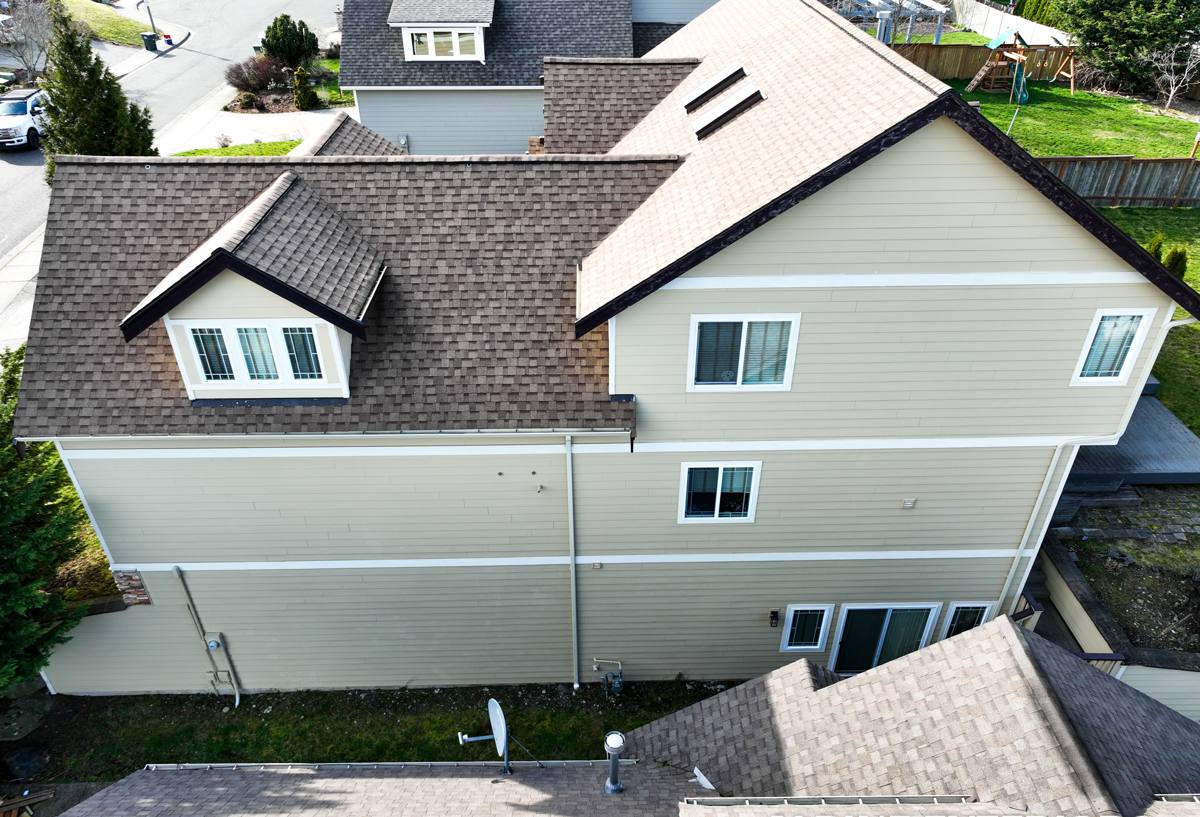
What Makes Old Southeast's Roofs Different
Older Deck and Framing
Many homes in this part of St. Petersburg still have original or early-generation roof decking, sometimes plank sheathing rather than the plywood or OSB used in newer construction. Plank decking behaves differently under wind uplift and moisture exposure than modern sheathing, and it's more likely to have hidden soft spots or fastener pull-through that won't show up until the covering is pulled back. A storm damage repair on one of these roofs has to account for what condition the deck is actually in, not assume it matches a modern roof's construction.
Mature Tree Canopy
Old Southeast is known for its mature oak canopy, which is part of what gives the neighborhood its character — and part of what makes roofs here more exposed to storm damage than homes in newer, more open subdivisions. Large limbs coming down in high wind cause direct impact damage, and constant leaf and debris buildup in valleys and gutters holds moisture against the roofing material longer than a cleaner-swept roof would experience, accelerating wear in the years between storms.
A Mix of Original and Re-Covered Roofing
It's common to find a roof in this neighborhood that's been re-covered at least once, sometimes with a different material than the original. That history matters for a repair, because it affects how many layers are on the deck, whether current code allows another layer over the top, and how the existing material will behave when it's disturbed for a patch. We check this before recommending a repair path, not after.
Why This Climate Is Rougher on Older Roofs Specifically
St. Petersburg and the rest of Pinellas County deal with hurricane-force winds, wind-driven rain, intense and nearly year-round UV, and salt air off Tampa Bay and the Gulf. All of that affects every roof in the area, but it hits an older roof harder because the materials and fastening methods weren't engineered for today's wind-load standards. A roof deck attached with the fastening patterns common decades ago holds up differently in a wind event than a deck re-nailed to current code. UV exposure has also had more years to work on an older roof's remaining material, so what looks like a small patch of storm damage is often sitting on material that was already near the end of its service life before the storm hit.
Salt air is a slower factor but a real one — it accelerates corrosion in exposed fasteners, flashing, and any metal roof components, and older installations sometimes used fastener and flashing materials that don't hold up to decades of that exposure as well as what's specified today. When we're diagnosing storm damage on an older Old Southeast roof, we're also looking for that kind of long-term deterioration that the storm exposed rather than caused outright.
What a Correct Storm Damage Repair Actually Involves
Full Deck Inspection, Not Just a Patch
Before any material goes back on the roof, we check the exposed decking for soft spots, delamination, and fastener condition. On an older plank deck, this step matters more than it would on a newer roof, because hidden rot or pull-through under a small area of visible shingle damage is common and won't resolve itself with a surface patch.
Underlayment and Flashing, Not Just Shingles
Wind and wind-driven rain damage often shows up first at flashing points — around chimneys, valleys, pipe boots, and wall intersections — because those are the places where the roofing system has the most seams. A repair that replaces damaged shingles but leaves compromised flashing or underlayment underneath will leak again in the next storm, even if it looks finished from the ground.
Material Matching for Visual Consistency
On a historic-character home, a patch that doesn't match the surrounding material in color, profile, or wear pattern stands out immediately. We source material as close to the existing roof as the manufacturer's current lineup allows, and when an exact match isn't possible, we talk through the options with the homeowner before starting rather than after.
Ventilation Check
Older homes in this area sometimes have attic ventilation that was adequate when the house was built but is undersized by today's standards. Poor ventilation traps heat and moisture against the underside of the deck, which shortens the life of any new material installed and can make storm damage worse over time. We check this as part of every repair, since it's often overlooked and it's cheap to correct while the roof is already open.
Preserving Character While Meeting Current Standards
Homeowners in Old Southeast are often protective of the look of their homes, and rightly so — the architectural character of the neighborhood is a big part of its value. A storm damage repair doesn't have to mean an obvious mismatched patch or a roofline that no longer fits the house. It does mean balancing that visual goal against what current code and manufacturer specifications require for wind resistance, fastening, and underlayment. In our experience, those two goals aren't usually in conflict — a correctly installed repair using appropriately matched material almost always looks better and holds up longer than a rushed patch, and it satisfies both the homeowner's eye and the building department's requirements.
If your property sits within a locally recognized historic district, there can be additional review steps tied to visible exterior changes. We flag this early in the process so it doesn't become a surprise partway through a repair, and we handle the permitting conversation as part of the job rather than leaving it for the homeowner to sort out separately.
Insurance and Storm Damage Claims on Older Roofs
Filing a storm damage claim on an older roof comes with its own wrinkles. Adjusters weigh the roof's age and prior condition against the storm event, and a roof that was already near the end of its service life can get a different determination than a newer one with identical visible damage. Good documentation matters more here, not less.
| Factor | Why It Matters on an Older Roof |
|---|---|
| Pre-storm condition | Adjusters look for evidence the damage is storm-related, not pre-existing wear — thorough photo documentation of the specific damage pattern helps make that case |
| Roof age and remaining life | Some policies apply depreciation based on age, which can affect the payout even when the damage itself is clearly storm-caused |
| Material availability | Older or discontinued materials may require a documented like-kind-and-quality assessment rather than an automatic exact match |
| Deck condition | Rot or deterioration found once the roof is opened is sometimes treated separately from the storm damage claim itself |
We provide detailed photo documentation and a written scope of the damage we find, which homeowners can use in their claim. We don't handle the claim itself, but a clear, specific record of what happened and what it will take to fix it correctly tends to make that conversation with the insurance company more straightforward.
How Our Storm Damage Repair Process Works
- Inspection and documentation. We assess the visible damage, check the deck and flashing where the damage occurred, and photograph everything before starting any work.
- Written scope and estimate. You get a clear breakdown of what's damaged, what needs to be repaired versus what's cosmetic, and what material we recommend and why.
- Material sourcing and matching. For historic-character homes, we take the time to source material that matches the existing roof as closely as current manufacturer lineups allow.
- Repair. Deck repair or replacement where needed, correct flashing and underlayment detail, then the finish material — in that order, not skipped.
- Final walkthrough. We review the completed repair with you before considering the job done, including photos of anything that's no longer visible once the roofing material is back in place.
Repair or Full Replacement — How We Help You Decide
Not every storm-damaged roof needs to be fully replaced, and not every roof that "just needs a patch" should be repaired instead. The right call depends on how much of the roof is affected, the condition of the material around the damaged area, and how much life the roof had left before the storm.
- Isolated damage to a roof that's otherwise in good condition and under roughly half its expected service life usually points toward a repair.
- Widespread damage, or damage on a roof that was already showing significant wear before the storm, often makes a full replacement the more cost-effective choice once you factor in the likelihood of repeat repairs.
- A roof with multiple existing layers may be limited by code in how it can be repaired versus requiring a tear-off, which changes the math on repair versus replacement.
- If matching material for a partial repair isn't realistically available, a full replacement on that roof plane may be the more practical route even if the damage itself is limited.
We walk through this decision with you directly, with the actual condition of your roof in front of us, rather than defaulting to the more expensive option.
What to Do Right After Storm Damage
- Photograph any visible damage from the ground — don't get on the roof yourself, especially after a storm when conditions and structural integrity can be unpredictable.
- Check the attic or top-floor ceilings for water stains, which can indicate a leak even when the exterior damage looks minor.
- Cover any active interior leak with a container or tarp to limit water damage to floors and belongings while repairs are arranged.
- Avoid climbing onto the roof to inspect or tarp it yourself — this is where we come in, with the right equipment and experience working on older roof structures.
- Call for an inspection promptly. Storm damage that sits exposed to further rain, sun, and wind tends to get worse, not stay the same.
Why It Matters That We Already Work in Old Southeast
A crew that's worked on other roofs in this neighborhood already has a feel for what to expect from an older Old Southeast roof deck, how the local tree canopy tends to concentrate damage, and how to source and match material for a historic-character home without guesswork. That familiarity shortens the inspection process, avoids surprises mid-repair, and means the finished work fits the neighborhood instead of looking like it was dropped in from a subdivision built forty years later. It also means we understand the reasonable back-and-forth around historic district considerations and can factor that into the plan from the start rather than discovering it partway through the job.
If a recent storm left damage on your roof, we're glad to take a look and give you a straight assessment — what's actually damaged, what it will take to fix it right, and a written estimate with no pressure to commit on the spot. The estimate form below is the easiest way to get started.