 St. Petersburg
 Roof Replacement Built for St. Pete Beach Conditions
St. Pete Beach sits right on the Gulf, which means every roof out here is fighting a different battle than a roof ten miles inland in St. Petersburg proper. Salt-laden air corrodes metal fasteners and flashing faster. Reflected heat off the water and near-constant sun break down shingle asphalt and underlayment ahead of schedule. And when a tropical system or hurricane pushes through Pinellas County, wind-driven rain finds every weak seam in a roof system that wasn't detailed correctly the first time. A roof replacement here isn't just "put new shingles on" — it's a system built to handle barrier-island exposure for the long haul.
This page covers what that actually looks like: what local homes need, what a correct replacement involves step by step, and why it matters to hire a crew that already works this specific stretch of coastline rather than one that treats every roof the same regardless of zip code.
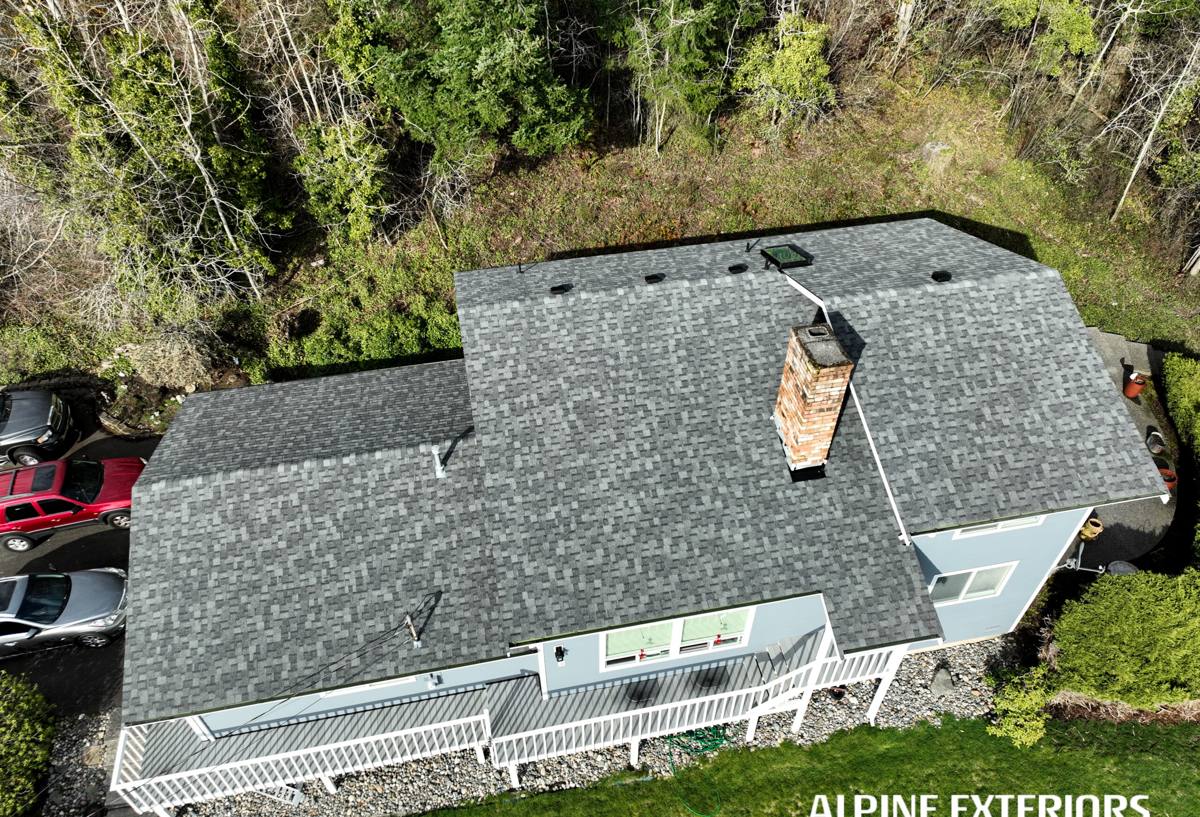
What Makes St. Pete Beach Different from a Typical Roofing Job
Salt Air and Corrosion
Airborne salt doesn't just sit on the surface — it works into metal fasteners, drip edge, flashing, and any exposed hardware. Over time, standard-grade fasteners can corrode well before the shingles themselves wear out, leading to loosened flashing and slow leaks that show up as ceiling stains long after the actual failure started. On a barrier island like St. Pete Beach, this is one of the first things we account for when choosing materials.
UV Load and Heat Cycling
Florida sun is intense everywhere, but a coastal roof gets it from two directions — direct overhead sun and reflected glare and heat off open water and sand. That constant heat cycling dries out asphalt shingles and accelerates granule loss, which is usually the first visible sign that a roof's protective layer is thinning.
Wind-Driven Rain and Hurricane Exposure
Wind speed alone doesn't tear off a roof — it's usually a combination of wind uplift finding a weak edge or seam, plus wind-driven rain forcing water sideways and upward under shingles, tiles, or flashing that wasn't sealed and fastened to current wind-zone standards. Pinellas County's building code reflects this reality, and St. Pete Beach's exposure to open Gulf water puts it at the higher end of that wind-load consideration.
Signs a St. Pete Beach Home Needs a Full Replacement (Not Just a Repair)
- Granule loss heavy enough that you can see bare, shiny patches on asphalt shingles
- Multiple past repairs in different areas of the roof, rather than one isolated problem spot
- Visible corrosion or rust staining around flashing, vent boots, or fasteners
- Soft spots, sagging, or decking that flexes underfoot during an inspection
- Leaks that reappear after a repair, especially after wind-driven rain events
- Shingles curling, cupping, or lifting at the edges
- Roof age approaching or past its expected service life for the material and this climate
- Interior signs — attic moisture, musty odor, or ceiling discoloration — without an obvious single source
A repair makes sense when the damage is isolated and the rest of the roof still has useful life left. Replacement makes sense once the underlying materials — decking, underlayment, flashing system — are failing broadly rather than in one spot. We'll tell you honestly which situation you're in; we don't sell replacements to homeowners who only need a repair.
What a Correct Roof Replacement Involves
1. Tear-Off and Deck Inspection
We remove the existing roofing material down to the deck. This is the point where hidden problems — soft or rotted decking, prior water damage, poor original installation — actually become visible. Any compromised decking gets replaced before anything new goes down; installing new roofing over bad decking just hides the problem and shortens the life of the new roof.
2. Underlayment and Moisture Barrier
A quality underlayment layer is arguably as important as the shingles or tiles themselves, especially on the coast. It's the backup layer that keeps a home dry if wind-driven rain gets past the surface material during a storm. On homes exposed to this much salt air and rain, we don't treat underlayment as an afterthought.
3. Flashing and Penetration Detailing
Most roof leaks don't start in the open field of the roof — they start at transitions: valleys, chimneys, vent pipes, skylights, and roof-to-wall joints. Flashing needs to be corrosion-resistant and correctly lapped and sealed at every one of these points. This is the detail work that separates a roof that holds up through hurricane season from one that doesn't.
4. Fastening to Local Wind Standards
Fastener pattern, type, and spacing are dictated by the wind zone and building code requirements for this part of Pinellas County. We follow manufacturer specs and local code for nailing/fastening patterns rather than a generic minimum — this is what the wind-uplift rating of a roof actually depends on in practice.
5. Ventilation
Proper attic ventilation controls heat buildup and moisture, both of which shorten a roof's life if they're not managed. A hot, poorly ventilated attic bakes shingles from underneath and can void portions of a manufacturer's warranty.
6. Final Inspection and Cleanup
Before we consider the job done, we walk the full roof, check every penetration and edge, and do a magnetic sweep and full property cleanup so nothing is left behind.
Material Choices for Coastal Exposure
There's no single "best" roofing material for every home — it depends on the house, the budget, and how much the homeowner wants to plan around maintenance. Here's an honest comparison of the common options for this climate:
| Material | Coastal Durability | Maintenance | Typical Consideration |
|---|---|---|---|
| Architectural asphalt shingle | Good, with proper fastening and flashing | Low to moderate | Most common; strong value for the wind rating |
| Standing seam metal | Very good when fasteners/coatings are marine-grade | Low | Higher upfront cost, long service life |
| Concrete or clay tile | Very good structurally | Moderate — underlayment beneath tile does the real waterproofing work | Heavier; needs structure to support it |
| Flat/low-slope membrane (for additions, porches) | Good with correct seaming | Moderate — seams need periodic inspection | Common on additions and porch roofs near the beach |
Whatever material a homeowner chooses, we're honest that no roofing product is maintenance-free on a barrier island. The difference between a roof that lasts and one that doesn't usually comes down to installation quality and detailing — not the material label alone.
Our Process, Start to Finish
- Inspection and honest assessment — we look at the whole roof system, not just the obvious problem area, and tell you plainly whether you need a repair or a full replacement.
- Written estimate — clear scope of work, material options, and pricing before anything is signed.
- Scheduling around weather — we plan tear-off and dry-in around the forecast so your home isn't left exposed during a rain event.
- Tear-off, deck repair, and system installation — as detailed above, with attention to flashing, fastening, and ventilation.
- Final walkthrough — we go over the finished roof with you before calling the job complete.
Why Hiring a Crew That Already Works St. Pete Beach Matters
A roofing crew that mainly works inland neighborhoods may not think twice about standard fasteners or a basic underlayment package — and inland, that's often fine. On a barrier island, those same shortcuts show up as premature corrosion, granule loss, or a flashing failure during the next storm. Crews that regularly work St. Pete Beach and the surrounding St. Petersburg coastline already build coastal-grade detailing into their default process, rather than treating it as an upgrade. That familiarity also means fewer surprises during permitting and inspection, since local wind-zone and code requirements are already part of how the job is planned from day one.
There's also a practical service angle: a company already working in this area can typically respond faster for post-storm follow-up, warranty questions, or a maintenance check a few years down the line, instead of treating St. Pete Beach as a one-off trip.
Maintenance That Extends the Life of a New Roof
- Rinse off salt residue and debris periodically, especially after storms with heavy wind-driven spray
- Keep gutters and downspouts clear so water isn't backing up under the roof edge
- Trim back overhanging vegetation to reduce debris buildup and abrasion
- Schedule a visual inspection after any major wind event, even if there's no obvious interior sign of a leak
- Address small flashing or sealant issues promptly rather than waiting for a full leak to develop
Getting Started
If your St. Pete Beach roof is showing its age, took a beating in a recent storm, or you're just trying to plan ahead before the next hurricane season, we're happy to take a look and give you a straightforward assessment — no pressure, no upsell. Use the form below to request a free estimate and we'll walk the roof with you and lay out your real options.