 St. Petersburg
 A Barrier Island Home Takes More Weather Than a Mainland One
St. Pete Beach sits on a narrow strip of land with open Gulf water on one side and a bay on the other, which means there's no buffer of inland development to soften what the weather does to a house. Every home here gets the full version of what Pinellas County's coastline throws at exterior surfaces: hurricane-force winds during storm season, salt-laden air moving off the water every single day, some of the most intense and consistent UV exposure in the continental United States, and wind-driven rain that hits walls sideways instead of falling straight down. Siding on a barrier island isn't decorative — it's the first and most exposed layer of the building envelope, and it gets tested constantly rather than occasionally.
This page is about one job in one place: installing James Hardie fiber cement siding on St. Pete Beach homes. Not a general siding overview, and not a countywide page — just what local conditions actually demand from a siding job here, what correct installation looks like on an island property, and why a crew that already works this stretch of coastline handles it differently than one that doesn't.
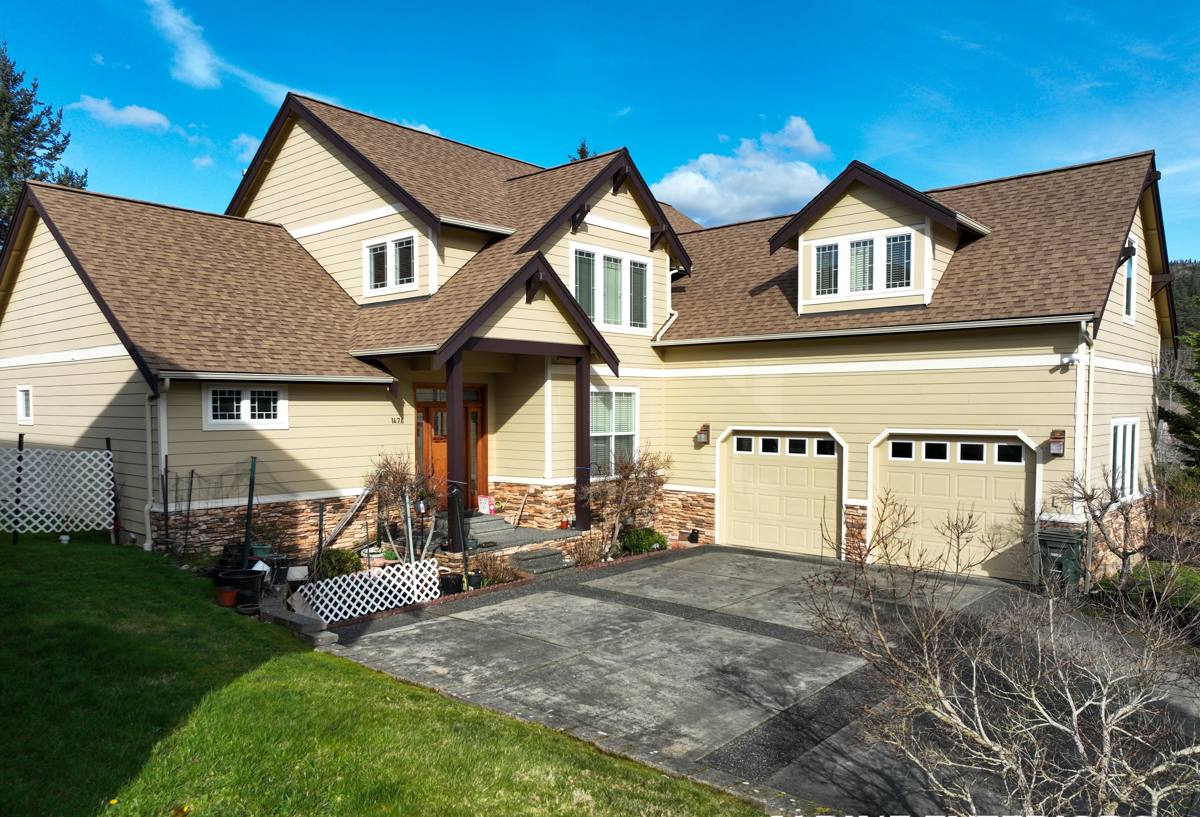
What Direct Gulf Exposure Does to Siding
Salt Air at the Waterline
Airborne salt is heavier and more constant this close to open water than it is even a few miles inland. It settles continuously on siding, trim, and every exposed fastener, and it works on metal year-round, not just during storms. On a barrier island home, corrosion-resistant fastener selection and finish quality matter more than almost anywhere else in the county, because there's simply more salt in the air to react with.
Wind-Driven Rain and Storm Exposure
An island with nothing between it and the Gulf takes wind loads that inland Pinellas neighborhoods are partly shielded from. During a real wind event, rain doesn't fall on a wall — it's driven into it, and it finds every joint, seam, and fastener penetration that wasn't detailed correctly. Homes facing the open water directly tend to show flashing and caulk-joint problems first, simply because that elevation absorbs a disproportionate share of every storm that passes through.
UV Load That Doesn't Let Up
Reflected light off open water adds to an already intense Florida sun angle, so siding on beachfront and near-beachfront lots often takes more cumulative UV exposure than the same product would see a few blocks inland. Coatings and caulks that aren't engineered for that load chalk, fade, and go brittle faster here, which is part of why factory-applied, UV-stabilized finishes matter more on this stretch of coastline than in a shadier, more sheltered setting.
Humidity That Never Fully Breaks
Being surrounded by water on both sides keeps ambient humidity high even on days without rain, so siding materials get less of a chance to fully dry out between wet cycles than they would inland. Any material that absorbs moisture into its structure stays damp longer here, and that has real consequences for how it ages.
Why We Install Only James Hardie Fiber Cement Here
We standardized on James Hardie fiber cement across every home we side, and on a barrier island property the reasoning holds even more than usual. Hardie's HZ10 product line is specifically engineered for the most humid, moisture-exposed Gulf Coast markets, which is exactly the environment St. Pete Beach sits in. The factory-applied ColorPlus finish is baked on and warranted against fading and chalking, which matters directly given how much UV and reflected light this stretch of coastline gets. Fiber cement itself is dimensionally stable — a mix of cement, sand, and cellulose fiber that doesn't swell, cup, or wick moisture through its structure the way wood-based sidings do, which gives it real margin in a climate that rarely lets a wall assembly fully dry out. It's also non-combustible, which comes up often enough with island homeowners that it's worth stating plainly.
None of that means fiber cement is maintenance-free or storm-proof on its own. It means the base material gives a correctly installed wall more room for error in an environment that punishes shortcuts faster than most.
What a Correct Installation Involves on an Island Property
Fastening and Wind Load
Fastener type, spacing, and embedment depth have to match both the Hardie product line being installed and the wind load requirements that apply to this part of Pinellas County's coastline. Corrosion-resistant fasteners aren't optional here — using anything less durable is a slow-motion failure waiting to happen given how much salt is in the air.
Flashing and Water Management
Flashing at windows, doors, roof-to-wall transitions, and every other penetration has to be sequenced correctly with the water-resistive barrier underneath the siding, so water sheds outward and downward rather than getting trapped behind the wall. On homes taking direct wind-driven rain off open water, this detailing is what actually determines whether a wall stays dry through a storm season.
Clearance and Elevated Construction
A meaningful share of homes on the island are elevated on pilings or a raised foundation, which is common for barrier island construction under flood-zone building requirements. That changes how siding meets grade, decks, stairs, and breakaway wall sections compared to a standard slab-on-grade home, and it means clearance details have to be worked out per property rather than applied as a generic rule.
Joint and Cut-Edge Treatment
Every field cut and joint has to be sealed and primed to Hardie's specification. Skipping this step is invisible on installation day and shows up years later as a moisture entry point — exactly the kind of detail that separates a job that lasts decades from one that starts showing problems in five years.
What Drives Cost on a St. Pete Beach Fiber Cement Project
| Factor | Why It Matters Here |
|---|---|
| Home size and number of stories | More wall area and elevation both add material and labor, and taller or elevated homes require more staging and access work |
| Existing siding and sheathing condition | Salt air and prior storm exposure can mean hidden sheathing damage that isn't visible until tear-off |
| Trim, corner, and architectural detail | Older beach cottages and custom coastal homes often carry more trim complexity than a standard tract house |
| Product line and finish selection | HZ10 panel, plank, or shingle profiles and ColorPlus color options vary in material cost |
| Site access and staging | Narrow island lots, limited parking, and bridge access can affect how efficiently material and equipment move on and off site |
| Seasonal scheduling | Demand and weather windows shift around hurricane season and the winter tourist season, which affects timeline more than it does price |
Our Process From First Look to Final Walkthrough
We start with an exterior inspection, not a sales pitch — checking current siding condition, looking for soft spots near openings and lower courses, and reviewing flashing at roof-to-wall transitions before recommending anything. From there:
- Tear-off of existing siding with an inspection of the sheathing underneath
- Repair or replacement of any damaged sheathing or framing found during tear-off
- Installation of a continuous water-resistive barrier with correctly sequenced flashing
- James Hardie plank, panel, or shingle siding installed to manufacturer spec and local wind requirements
- Corrosion-resistant fastening sized and spaced for coastal wind exposure
- Sealed, primed cut edges and properly lapped joints at every seam
- Final walkthrough covering caulk lines, touch-up needs, and care instructions specific to a salt-air environment
Why a Crew That Already Works St. Pete Beach Matters
Island logistics are their own skill. Bridge access, narrow residential streets, tight lot lines, and limited staging space all affect how a project gets scheduled and run — a crew that works this island regularly has already solved those problems instead of learning them on your job. The same goes for permitting: Pinellas County's coastal wind zone requirements affect fastening schedules and product specifications, and a contractor who pulls permits on this stretch of coastline routinely knows what local inspectors expect rather than applying a generic standard from somewhere inland.
A lot of homes on St. Pete Beach are also second homes or vacation rentals, which changes how a project needs to be scheduled around occupancy, and older beach cottages often carry decades of prior repairs — some done well, some not — that a crew unfamiliar with this housing stock can misread. Knowing the difference between a cosmetic patch and a real structural issue on a 1960s or 1970s beach home comes from having opened up a lot of these walls before, not from a generic inspection checklist.
Signs Your St. Pete Beach Siding Needs Attention Now
- Chalky residue or uneven fading, especially on Gulf-facing and reflected-light elevations
- Rust streaking or a white, crusty bloom around fasteners and trim
- Soft or spongy spots when pressing near windows, doors, or the lowest courses of siding
- Open or cracked caulk joints at corners, trim, and butt seams
- Visible warping, buckling, or panel movement after a storm
- Musty smells or staining on interior walls that back up to exterior siding
- Siding with no documented replacement in 20-plus years of coastal exposure
None of these signs mean a full re-side is automatically needed, but on a barrier island property they're worth a professional look sooner rather than later — the margin between a minor repair and a bigger problem tends to close faster here than it does inland.
Let's Take a Look
If you're on St. Pete Beach and thinking about siding — whether it's a specific problem you've noticed, storm damage, or just planning ahead of the next hurricane season — we're glad to come take a look and give you a straightforward, no-pressure estimate. Use the form below to get started.