 St. Petersburg
 Snell Isle sits on a peninsula on St. Petersburg's northeast side, with water on three sides and a mature tree canopy that shades some streets while leaving others in full, unbroken Florida sun most of the day. The housing stock reflects the neighborhood's age — homes built in the early-to-mid 20th century sit alongside newer construction and full renovations, which means the siding conditions on any given block are rarely uniform. One house might be carrying original wood or stucco exteriors well past their service life; the one next to it might have already been re-sided in the last few years. Add in a location close enough to open water that hurricane-force wind, wind-driven rain, and salt air are a constant rather than an occasional concern, and fiber cement siding here has to be installed with more care than the same product gets a few miles inland. This page is specifically about that job — what Snell Isle's conditions demand from fiber cement siding, what a correct installation involves, and why we install James Hardie fiber cement and nothing else on the homes we work on here.
Why Snell Isle's Location Changes the Job
Being surrounded by water on multiple sides means Snell Isle properties don't get the buffer that an equivalent home a few miles inland gets from wind and salt exposure. Walls facing open water take the brunt of wind-driven rain during storms and see more consistent salt-laden air day to day, while interior-facing walls on the same house can be relatively sheltered by comparison. That difference matters when planning a siding job, because the flashing, fastening, and joint details that are adequate on a sheltered wall aren't necessarily enough on a water-facing elevation of the same house.
The neighborhood's tree canopy adds a second variable. Shaded walls stay damp longer after rain and see less direct UV, which changes how quickly caulk and finishes degrade compared to a sun-exposed wall on the same structure. And because Snell Isle's homes span decades of construction, a re-side project frequently uncovers sheathing, framing, or moisture barrier conditions from the original build that need to be addressed before new siding goes up — something a crew unfamiliar with this housing stock can miss or underestimate.
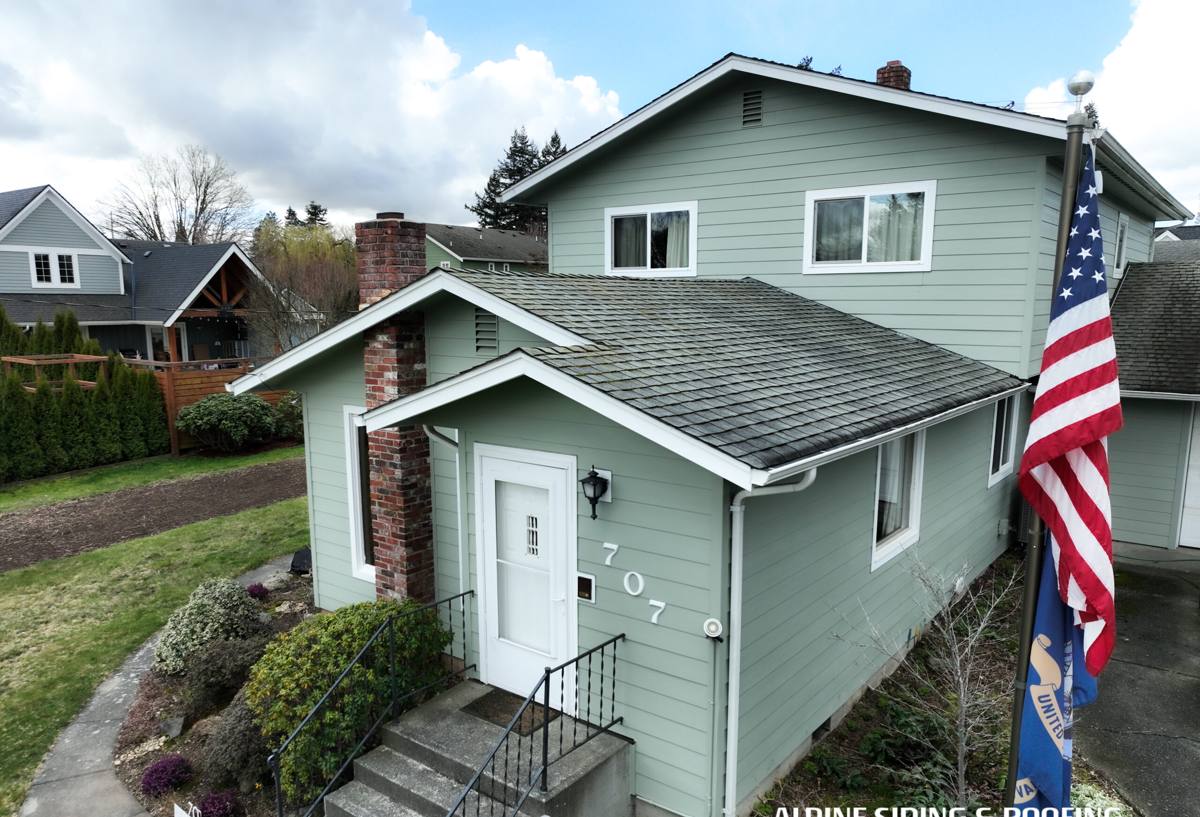
What the Climate Actually Does to Siding Here
Hurricane-Force Wind
Wind-driven rain during tropical systems and even routine summer storms pushes water sideways into joints and laps that were never designed to shed water moving horizontally. On a water-facing wall in Snell Isle, that load is close to constant during storm season, and every seam, corner, and penetration in the siding gets tested at once when a real wind event hits.
Intense, Year-Round UV
Florida sun is intense nearly twelve months a year, not just in summer. On sun-exposed elevations, that UV load chalks and fades unstabilized finishes, dries out lesser caulks until they crack, and accelerates the wear cycle on any material or coating that wasn't engineered for this level of exposure.
Salt Air
Being this close to open water means salt-laden air is working on fasteners, flashing, and trim continuously, not just during storms. Corrosion that starts at a fastener head can loosen its grip on the siding and open a small gap — a slow process, but one that only moves in one direction once it starts.
Humidity and Wet-Dry Cycling
St. Petersburg's humidity keeps materials wet more often and for longer stretches than a drier climate would, and the swing between a saturating downpour and intense afternoon sun puts moisture-sensitive materials through repeated wet-dry cycles. That cycling is what drives cupping, swelling, and finish breakdown in materials that aren't dimensionally stable.
Why We Only Install James Hardie Fiber Cement Here
Given how much these four factors stack on top of each other in a water-adjacent neighborhood like Snell Isle, the material behind the finish matters as much as how the job is installed. James Hardie fiber cement is made from cement, sand, and cellulose fiber, which makes it dimensionally stable — it doesn't swell, cup, or wick moisture into its structure the way wood-based and engineered wood products can. That stability doesn't make it immune to problems; caulk joints, cut edges, and fastener lines still have to be detailed correctly. But the base material itself isn't the moisture sponge that solid or engineered wood siding can become after repeated cycles of Gulf Coast humidity and sun.
Hardie's HZ5 product line is engineered specifically for high-humidity, wind-driven-rain climates like Florida's, and the ColorPlus factory finish is baked on and warrantied against fading and peeling in a way that field-applied paint isn't. We've standardized on this product for every home we side, in Snell Isle and across the rest of the region, because it gives a wall assembly more margin for error in a climate that punishes shortcuts faster than most of the country. We don't install vinyl siding, LP SmartSide or other engineered wood, or cedar and primed wood siding — not because those products can never be installed correctly, but because we'd rather stand behind one system we know performs here than offer a menu of products with meaningfully different long-term trade-offs in this climate.
What a Correct Fiber Cement Installation Involves
Moisture Barrier and Flashing
Everything starts with a continuous, properly lapped water-resistive barrier and correctly sequenced flashing at every window, door, and penetration. On an older Snell Isle home, this is often the step where a re-side project uncovers what the original construction got wrong, and it has to be corrected before the new siding goes on — not patched around it.
Fastening and Clearances
Fastener type, spacing, and depth need to match Hardie's specifications for the product line and the home's exposure, with corrosion-resistant fasteners standard this close to open water. Clearance between the bottom of the siding and grade, decks, or roof lines also has to be maintained so water has somewhere to go instead of wicking up into the panel.
Joints, Caulking, and Trim
Butt joints, corners, and trim transitions are where a rushed install shows up first. Cut edges need to be sealed per manufacturer requirements, and caulking has to be rated for sustained UV and salt exposure rather than whatever's cheapest on the truck that day.
Factory Finish and Color
ColorPlus finishes come baked on at the factory, which means the color and topcoat are more consistent and more UV-resistant than a field-applied paint job. Getting the cuts, fastener placement, and touch-up work right during installation is what keeps that factory finish intact once the crew leaves.
Our Process, Start to Finish
- On-site assessment — we walk the property, evaluate exposure by elevation, and check the condition of the existing wall assembly before quoting anything
- Honest scope and product plan — which Hardie product line and profile fit the home, and what substrate or moisture-barrier repairs the job actually needs
- Prep and removal — old siding comes off carefully, with sheathing and flashing issues addressed before anything new goes up
- Moisture barrier and flashing installation — a continuous, correctly sequenced water-resistive barrier and flashing at every penetration
- Fiber cement installation — panels or lap siding installed to Hardie's fastening and clearance specifications for this exposure
- Joint, caulk, and trim finishing — sealed and detailed to hold up to UV and salt exposure, not just look right on install day
- Final walkthrough — we go over the finished job with you before calling it done
Costs and Trade-Offs to Plan Around
| Factor | What Changes the Price or Scope |
|---|---|
| Wall exposure | Water-facing elevations often need more attention to flashing and fastening than sheltered walls on the same house |
| Existing wall condition | Older homes more often need sheathing or moisture-barrier repair uncovered during removal |
| Access and tree canopy | Mature landscaping and tight lot lines common in this neighborhood can add setup and staging time |
| Trim and architectural detail | Homes with more elaborate trim or transitions take longer to detail correctly than a simple flat wall |
| Product line and profile | Hardie offers multiple lap, panel, and shingle profiles at different price points depending on the look you want |
Quick Checklist Before You Hire
- Confirm the crew is quoting James Hardie fiber cement specifically, and which product line and profile
- Ask how they handle flashing and moisture-barrier work on older homes, not just the visible siding
- Confirm corrosion-resistant fasteners are standard on a property this close to open water
- Ask what happens if sheathing or framing issues turn up once the old siding is off
- Get the manufacturer's and installer's warranty terms in writing, separately
- Confirm current Florida contractor licensing and ask for references from jobs a few years old
Why Hiring a Crew That Already Works Snell Isle Matters
Manufacturer installation instructions are written for average conditions, and a peninsula neighborhood surrounded by water rarely qualifies as average. A crew that hasn't worked this stretch of St. Petersburg regularly can get the product spec right on paper and still underestimate how much a water-facing wall needs versus a sheltered one on the same house, or miss what an older Snell Isle wall assembly is likely to need before new siding goes on. Those are judgment calls made on the job, informed by having actually done this work on this kind of housing stock before.
We work Snell Isle and the surrounding parts of Pinellas County regularly, which means we're not guessing at how a particular elevation, tree-shaded wall, or older wall assembly tends to hold up here over time. That experience is what decides whether a fiber cement install is still tight and performing after a few hurricane seasons, or starting to show problems within a couple of years.
If you're planning a re-side, replacing storm-damaged or aging siding, or just want a straight assessment of what your home actually needs, we're happy to take a look. Reach out below for a free, no-pressure estimate.