 St. Petersburg
 Siding Replacement Built for Disston Heights, Not a National Playbook
Disston Heights is one of St. Petersburg's established residential neighborhoods, with a mix of homes that have been through decades of Pinellas County summers, storm seasons, and salt-laden air. When siding on a house like this starts failing, it's rarely one single problem — it's usually years of sun, moisture, and wind working on a material that was never rated for this climate, or that was installed with shortcuts that don't show up until the warranty is long expired. A siding replacement job here needs to be treated as an exterior system upgrade, not a cosmetic swap.
We work throughout St. Petersburg and Pinellas County, and Disston Heights is a neighborhood we know — the housing stock, the typical exposure, and the kind of siding failures that show up on inland St. Pete homes versus those a few blocks from open water. That local familiarity changes how we scope a job, what we look for during tear-off, and what we recommend for the replacement.
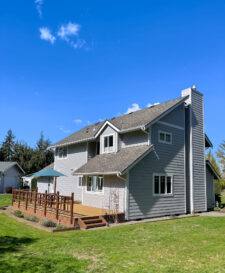
What Pinellas County's Climate Does to Siding
St. Petersburg sits on a peninsula, which means even neighborhoods that aren't waterfront still deal with salt-bearing air moving in off Tampa Bay and the Gulf. Combine that with the rest of what a Florida exterior has to survive, and you get a short list of stressors that every siding material on a Disston Heights home has to hold up against:
- Hurricane-force wind: Direct wind load on the wall, plus wind-driven debris impact during named storms and seasonal squalls.
- Intense, near year-round UV exposure: Florida's sun angle and day length mean siding gets more cumulative UV exposure per year than siding in most of the country, which accelerates fading, chalking, and material breakdown.
- Wind-driven rain: Storms here don't just drop rain straight down — wind pushes water sideways into seams, laps, and fastener penetrations that a calm-weather installation wouldn't have to defend against.
- Salt air: Salt accelerates corrosion of fasteners and trim metal, and it interacts with certain siding finishes and substrates in ways manufacturers explicitly plan for in their coastal product lines.
None of this is unique to Disston Heights specifically, but it's the baseline every home in this part of St. Petersburg is working against, and it's why "what worked up north" or "what's cheapest" isn't a reliable standard for siding replacement here.
Signs a Disston Heights Home Needs Replacement, Not a Patch
Siding damage in this climate doesn't always announce itself. A lot of the failures we find during inspections have been developing quietly behind the surface for years. If you're seeing any of the following, it's worth having someone look at the whole wall system, not just the visible spot:
- Soft, spongy, or crumbling siding when you press on it — a strong sign of moisture intrusion behind the panel
- Persistent bubbling, peeling, or discoloration in the same spots after every repaint
- Visible warping, buckling, or panels that no longer sit flat against the wall
- Cracking or splitting along panel edges or at butt joints
- A musty smell or visible mold/mildew growth on interior walls that back up to exterior siding
- Siding that's more than 20–25 years old and has never been fully replaced, only patched
- Rising energy bills with no other explanation, which can point to a compromised building envelope
Any one of these on its own might be a repair. Several together, especially on a home that's due for a re-side anyway, usually means the whole elevation — or the whole house — needs a proper replacement rather than another round of caulk and paint.
What a Correct Siding Replacement Actually Involves
A siding replacement isn't just removing old panels and nailing up new ones. Done correctly, especially in a coastal-influenced climate like St. Petersburg's, it's a full building envelope job:
Tear-off and inspection
Old siding comes off down to the sheathing so the crew can actually see what's underneath — rot, insect damage, compromised sheathing, or a water-resistive barrier that's failed. This step is where problems that caused the original siding to fail get identified and fixed, instead of getting sealed back up behind new panels.
Water-resistive barrier and flashing
A new weather-resistant barrier goes over the sheathing, with flashing detailed correctly around every window, door, and penetration. In a climate with wind-driven rain, this layer is what actually keeps water out of the wall assembly — the siding itself is the first line of defense, not the last.
Correct fastening for wind zones
Fastener type, spacing, and penetration depth all need to match the local wind zone and the manufacturer's installation instructions. This is one of the most commonly skipped details on lower-bid siding jobs, and it's the difference between siding that stays put in a tropical storm and siding that peels off the wall.
Trim, caulking, and finish details
Corner boards, trim, and caulking joints all need to be sealed with products rated for exterior UV and moisture exposure — not general-purpose caulk that will crack and open a path for water within a couple of years.
Why We Install Only James Hardie Fiber Cement
We don't install vinyl, LP SmartSide, or other fiber cement brands. That's a standard we hold on every job, including here in Disston Heights, for practical reasons tied directly to the climate this section just described.
James Hardie fiber cement is non-combustible, holds up to sustained UV exposure without the fading and warping issues that plague some alternative materials in Florida sun, and is engineered specifically for high-wind, high-moisture climates through its HZ product lines. The factory-applied ColorPlus finish is baked on and warrantied against fading in a way that field-applied paint on other substrates isn't. It's also backed by a strong transferable warranty, which matters to homeowners who plan to sell.
None of that means other products are junk — vinyl and engineered wood siding both have a place in the market. But for a full siding replacement on a St. Petersburg home exposed to hurricane wind, wind-driven rain, and salt air year after year, Hardie is what we're willing to put our name behind and warranty our labor on.
Our Process for a Disston Heights Siding Replacement
Because we already work in this part of St. Petersburg, our process for a Disston Heights job looks like this:
- On-site inspection: We walk the whole exterior, not just the area you called about, and check for moisture damage, sheathing condition, and any red flags behind the current siding.
- Honest scope and estimate: You get a clear picture of what's actually needed — full re-side, partial elevation, or repair — and why, with no upsell pressure.
- Material selection: We help you choose the right Hardie product line, plank profile, and color for your home and this climate.
- Tear-off and envelope repair: Old siding comes off, damaged sheathing gets addressed, and a new water-resistive barrier goes on correctly.
- Installation to spec: Fastening, flashing, and trim work follow manufacturer specifications for this wind zone — not shortcuts to save labor time.
- Final walkthrough: We go over the finished work with you before calling the job done.
What Affects the Cost of a Siding Replacement
Every home is different, so we don't quote broad averages without seeing the house. But these are the main factors that move the price up or down on a typical siding replacement job:
| Cost Factor | Why It Matters |
|---|---|
| Extent of sheathing/wood repair needed | Damage found during tear-off often isn't visible beforehand and can add material and labor |
| Siding profile and product line | Lap width, texture, and Hardie product tier affect material cost |
| Home size and elevation count | Full re-sides cost more than single-elevation replacements, obviously, but complexity per square foot varies too |
| Trim and detail work | Corner boards, window trim, and architectural details take more labor time than flat wall runs |
| Access and site conditions | Landscaping, fencing, and roof lines can affect how quickly crews can work around the home |
| Color and finish choice | Factory ColorPlus finishes versus field-painted options carry different material costs |
Timeline and What to Expect
A full home siding replacement is a multi-day job, not a weekend project — the exact timeline depends on home size, how much sheathing repair is needed, and weather. Florida's rain patterns, especially in summer storm season, can affect scheduling more than they would in a drier climate, and a crew that works locally knows how to plan around that instead of getting caught off guard by it. We'll walk you through a realistic timeline before work starts, not an optimistic one that gets blown past in week one.
Why Hiring a Crew That Already Works Disston Heights Matters
Siding contractors who bounce between climates and code jurisdictions tend to install the same way everywhere, whether or not that's right for the house in front of them. A crew that regularly works St. Petersburg and Pinellas County homes already understands the local wind requirements, the way salt air and UV interact with different materials here, and the kind of sheathing and framing conditions common in this area's housing stock. That familiarity shows up in fewer surprises during tear-off, fewer callbacks after storm season, and a finished job that's actually built for where it sits — not just wherever the crew happened to be working last.
If your Disston Heights home's siding is showing its age, or you just want a straight answer about whether it's a repair or a full replacement, we're happy to take a look. Reach out for a free, no-pressure estimate using the form below.