 St. Petersburg
 Siding Repair in Disston Heights: What the Climate Does to This Neighborhood's Homes
Disston Heights sits inland enough to avoid direct waterfront exposure, but that doesn't mean the siding on these homes gets an easy life. Pinellas County weather doesn't discriminate between coastal and inland streets — the same summer humidity, intense UV load, wind-driven rain, and hurricane-season gusts that hit the beaches roll through Disston Heights too. The neighborhood's mix of older ranch homes and mid-century construction means a lot of original or long-replaced siding is now decades into a fight it wasn't always built to win.
Siding repair here isn't a cosmetic afterthought. It's the difference between catching a moisture problem while it's still a board-level issue and discovering it later as sheathing rot or interior water damage. St. Petersburg's climate accelerates every small defect — a hairline crack lets in wind-driven rain, UV breaks down caulk and paint faster than most homeowners expect, and humidity keeps wood-based products damp long after a storm passes.
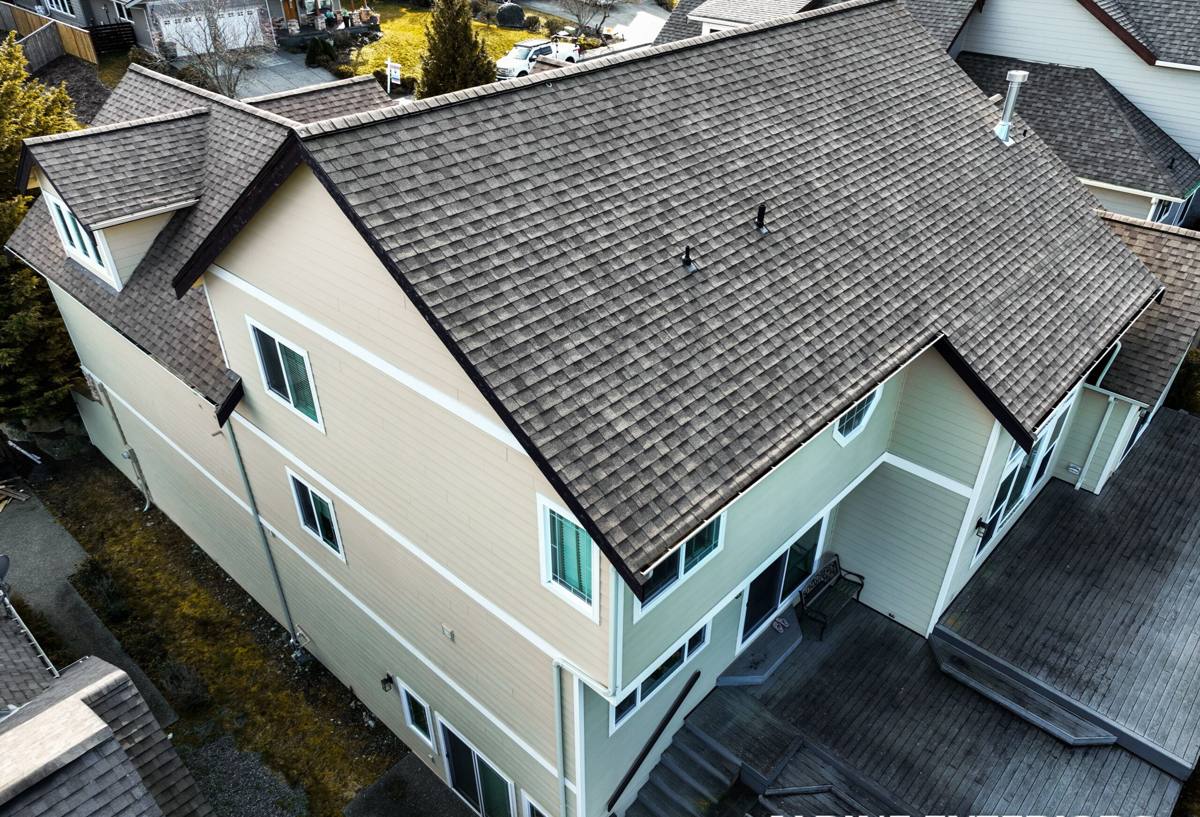
Signs a Disston Heights Home Needs Siding Repair, Not Just Paint
Homeowners often call us thinking they need a paint job when the real issue is underneath. A fresh coat of paint over failing siding buys a season, maybe two, before the same problems resurface — often worse.
- Soft, spongy spots when you press on siding panels or trim boards
- Visible cracking, splitting, or buckling, especially on sun-exposed (west and south) walls
- Paint that's bubbling, peeling, or failing faster than the rest of the house
- Gaps opening at seams, corners, or where siding meets windows and doors
- Staining or streaking that suggests water is tracking behind the siding, not just across it
- Visible insect activity or soft wood at the bottom courses near grade
- Warping or waviness across a section that used to lie flat
Any one of these can be isolated and repaired correctly. Several at once, especially on a home with older wood or hardboard siding, usually means the damage has spread further than what's visible from the ground.
Why "Just a Patch" Often Fails in This Climate
A repair that only addresses the visible symptom — filling a crack, replacing one board — without checking what's happening behind the cladding is a short-term fix. In St. Petersburg's humidity and rain patterns, trapped moisture behind siding doesn't dry out the way it might in a drier climate. A correct repair checks the water-resistive barrier, flashing, and sheathing underneath, not just the finish layer.
What a Correct Siding Repair Actually Involves
Real siding repair is diagnostic work first, carpentry second. We don't quote a repair without understanding why the damage happened, because fixing the symptom without addressing the cause means the same call comes in again in a year or two.
1. Diagnose the Cause, Not Just the Damage
Is water getting in through a failed caulk joint, a flashing gap above a window, a penetration from a fixture or vent, or capillary action at grade level? The repair plan changes depending on the answer. Patching over a flashing failure just delays the next round of damage.
2. Check What's Behind the Siding
Once panels or boards are pulled, we look at the sheathing and house wrap or building paper underneath. If there's soft or discolored sheathing, that gets addressed before anything new goes back on — covering rotted wood with new siding is not a repair, it's a cosmetic delay.
3. Match or Transition the Material Correctly
Replacement sections need to tie into the existing siding cleanly — same reveal, same fastening pattern, weather-tight laps and flashing at every seam. On homes where we're repairing into existing James Hardie siding, this also means matching profile and, where possible, factory finish so the repair doesn't stand out as an obvious patch.
4. Reseal and Re-flash Properly
Every penetration, seam, and trim intersection gets sealed and flashed to shed water the way the original installation should have. This is the step that's easiest to rush and most responsible for repairs that fail again within a year or two.
Repair vs. Replacement: How We Help Disston Heights Homeowners Decide
Not every damaged section needs full replacement, but not every home is a good candidate for repair-only either. We walk homeowners through this honestly rather than defaulting to whichever job is bigger.
| Factor | Favors Repair | Favors Full Replacement |
|---|---|---|
| Extent of damage | Isolated to one or two wall sections | Recurring issues across multiple elevations |
| Siding material | Sound material overall, one failure point | Original material is aging out across the board (old hardboard, worn wood) |
| Sheathing condition | Dry, solid sheathing behind the damage | Soft or water-damaged sheathing found during inspection |
| Age of existing siding | Relatively recent, still under useful life | Original siding is 20+ years old and showing wear broadly |
| Homeowner plans | Staying several more years, want a durable fix | Preparing to sell, or wanting a long-term climate-ready upgrade |
When damage is widespread or the underlying material has reached the end of its practical life, we say so directly rather than stacking patch repairs on a system that's already failing.
Why We Repair Into — and Recommend Replacing With — James Hardie Fiber Cement
Our company installs only James Hardie fiber cement siding. When we're called for a repair on a Disston Heights home that already has Hardie siding, that's often the simpler conversation: fiber cement doesn't rot, doesn't attract insects, and holds up to Florida's UV and moisture load far better than wood or hardboard over time, so repairs are usually isolated to installation-level issues (a cracked panel from impact, a failed sealant joint) rather than systemic material failure.
When we're called to a home with wood, older hardboard, or vinyl siding that's failing broadly, we'll still repair what can reasonably be repaired. But we're honest about the ceiling on that approach. Wood siding in this climate needs ongoing maintenance to survive humidity and UV; hardboard siding from past decades has a well-known history of moisture-related failure; vinyl can crack in impact and doesn't offer the same fire performance or factory-finish durability. If a homeowner is looking at a repair today and a bigger decision in a few years, we'll talk through why James Hardie — non-combustible, engineered for humid climates, backed by a factory ColorPlus finish and a strong transferable warranty — is what we'd put on the home instead, without pressuring a repair customer into a sale they didn't ask for.
Color Matching on Repairs
One practical detail specific to Hardie repairs: ColorPlus factory-finished panels are baked on at the factory, so an exact color match on a repair section depends on the color line, panel age, and UV fade on the existing siding. We're upfront when a perfect match isn't realistic and discuss options — from best-available match to repainting a full elevation for consistency — before work starts.
Our Siding Repair Process for Disston Heights Calls
- On-site inspection — we look at the damage, the material, and what's behind it, not just the visible symptom.
- Honest diagnosis — we tell you what caused it, whether it's isolated, and whether repair or replacement makes more sense.
- Written scope and estimate — clear on materials, labor, and what's included, no vague line items.
- Sheathing and moisture check — any underlying damage gets addressed before new siding goes back on.
- Repair execution — correct flashing, fastening, and sealing to shed water the way the wall assembly was designed to.
- Final walkthrough — we show you what was done and why, including anything we found that's worth keeping an eye on going forward.
Why Hiring a Crew That Already Works in Disston Heights Matters
Siding repair looks different depending on what part of Pinellas County you're in — the housing stock, the typical original siding materials, and the specific wind and moisture exposure all vary block to block. A crew that regularly works Disston Heights has already seen how the neighborhood's homes were originally sided, what tends to fail first, and how local wind exposure and drainage patterns affect where water gets in. That familiarity means less time spent guessing and more time spent fixing the actual problem.
It also matters for code and permitting. Pinellas County and St. Petersburg have wind-load and building code requirements that apply to exterior repair work, especially anything involving structural sheathing or larger sections of siding. A contractor who works this area regularly knows what triggers a permit and what doesn't, so the job doesn't stall or come back to bite you at resale.
What to Expect Cost-Wise
Siding repair costs vary widely based on the extent of damage, whether sheathing needs replacement, and the material involved. A small isolated repair is a modest job; anything involving hidden water damage or a full wall section costs more once the real scope is visible. We won't quote a number over the phone without seeing the damage — too many repairs turn out to be bigger or smaller than they first appear.
If you're seeing early warning signs on your Disston Heights home, or you already know there's a problem area that needs attention, we're happy to take a look. We offer a free, no-pressure estimate — walk you through what we find, what it would take to fix it right, and what your options are, with no obligation to move forward.