 St. Petersburg
 Siding That Has to Work in a Real Gulf Coast Neighborhood
Roser Park sits inside St. Petersburg, in Pinellas County, which means every exterior material on every home here is living through the same conditions: long stretches of intense UV, humidity that never really lets up, tropical downpours that come in sideways on wind, and the occasional direct hit from a tropical system or hurricane. Siding in this part of Florida isn't just a cosmetic layer. It's the first line of defense between the structure of the house and a climate that is genuinely hard on building materials year-round.
That's the lens we use on every Roser Park siding job: not "what looks good going on," but "what is still doing its job in twelve years, in eighteen years, in twenty-five years." A lot of siding failures we see on older homes in this neighborhood didn't happen because the material was bad the day it was installed — they happened because the material or the installation wasn't matched to this specific climate.
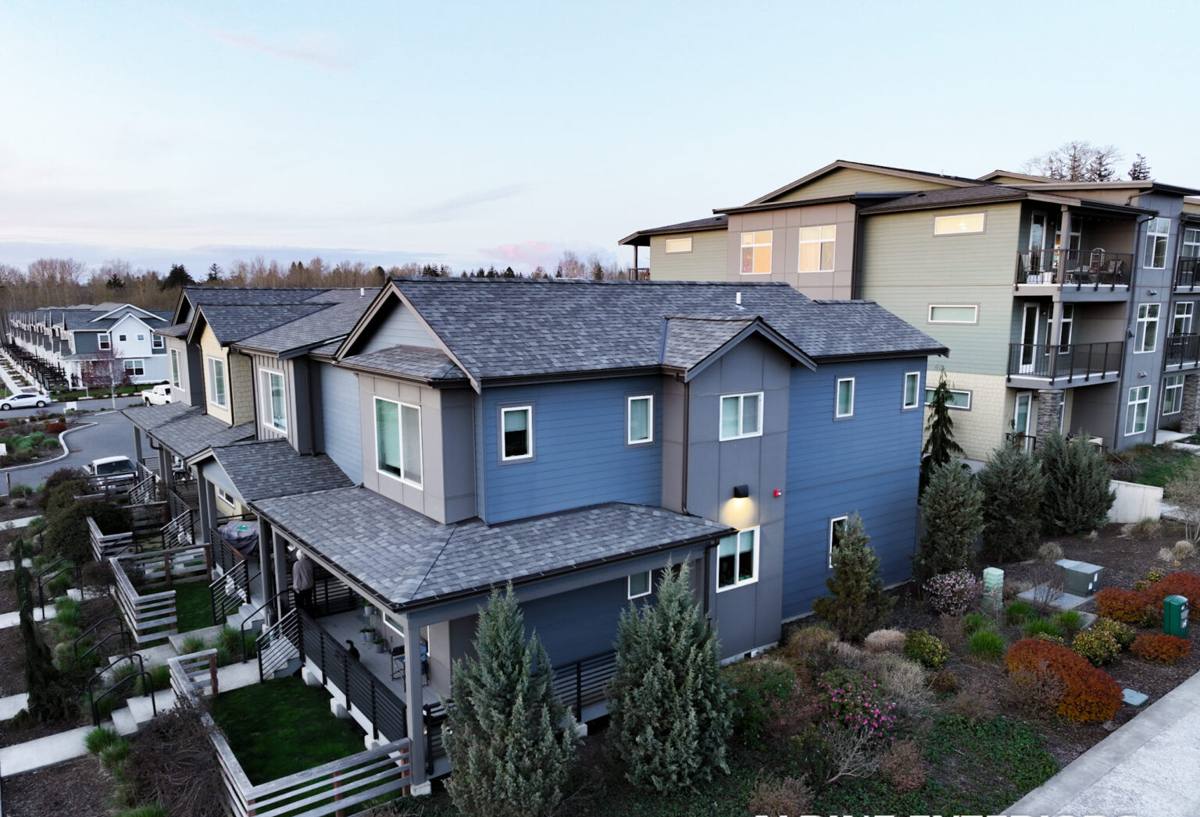
What Pinellas County's Climate Actually Does to Siding
Wind and wind-driven rain
Tropical storms and hurricanes don't just bring wind — they bring rain that gets forced sideways and upward under wind pressure. Siding that isn't installed with the right flashing, laps, and fastening pattern can let water track behind it during these events, even if the material itself is rated for high wind. The failure point is almost always the installation detail, not the panel.
Constant UV exposure
St. Petersburg gets sun exposure most of the country doesn't see. UV breaks down pigments and resins over time, which is why some siding products chalk, fade unevenly, or need repainting well before a homeowner expects it. Factory-applied, UV-stable finishes hold their color far longer than field-applied paint.
Humidity and salt-laden air
Being close to Tampa Bay and the Gulf means the air carries more moisture and more salt than an inland climate. Materials that absorb moisture swell, cup, or rot from the inside out. Fasteners and trim details that aren't corrosion-resistant fail faster here than they would in a dry climate.
The Housing Stock in Roser Park Adds Its Own Considerations
Roser Park is one of St. Petersburg's older, established neighborhoods, with a housing stock that includes a real mix of home ages and styles — a number of them built well before modern water-management and siding practices were standard. On a lot of these homes, what's happening underneath the current siding matters as much as what goes on top of it.
What we typically find during tear-off on older homes
- Original wood sheathing or older wood siding left in place under a later siding layer
- Missing or deteriorated house wrap / weather-resistive barrier
- Window and door flashing that was never properly integrated with the siding
- Trim and fascia that's absorbed moisture over years of exposure
- Multiple layers of siding stacked on top of each other from prior remodels
None of this is unusual for a neighborhood with this much history, but it does mean an accurate quote requires an actual look at the home, not a drive-by estimate. We factor sheathing condition, existing moisture barrier, and trim scope into every Roser Park proposal.
Why We Install Only James Hardie Fiber Cement
We made a decision as a company to install one siding system: James Hardie fiber cement. We don't install vinyl, LP SmartSide, Cemplank, Allura, or primed wood siding like spruce or cedar. That's not a marketing position — it's a standard we hold because of what we've seen these materials do, and not do, in Florida's climate over time.
Vinyl
Vinyl is affordable and easy to install, but it's a thin plastic product that softens and can distort in sustained heat, and it's not rated to stand up to the wind speeds this region can see in a serious storm the way a properly installed fiber cement system is. It also doesn't hold up structurally the way a rigid, non-combustible material does.
Wood-based and engineered wood siding (LP SmartSide, primed spruce, cedar)
These products depend on their factory or field-applied coating staying intact to keep moisture out. Any breach — a nail hole, a cut edge, a scuff during a storm — gives humidity and rain a path into the wood fiber underneath. In a climate this wet, that's an ongoing maintenance liability, not a one-time risk.
Other fiber cement brands
Other fiber cement products exist, and the category itself is sound. Where we've drawn the line is on the specific engineering, factory finish warranty, and installation specifications behind the James Hardie system — particularly its HZ product lines, which are formulated for climates that combine high humidity with wide temperature swings, which describes Pinellas County well.
Why Hardie
James Hardie fiber cement is non-combustible, dimensionally stable in heat and humidity, and finished at the factory with ColorPlus Technology, a baked-on finish engineered to resist UV fading far longer than field-applied paint. It carries a strong, transferable manufacturer warranty when installed to spec. That last phrase — installed to spec — is the part that matters most, and it's the part a lot of siding jobs get wrong.
What a Correct Installation Actually Involves
James Hardie siding is only as good as the installation behind it. The manufacturer's own instructions are specific about clearances, fastening, and flashing, and skipping steps is the single biggest cause of early problems on fiber cement jobs anywhere in Florida.
| Installation Detail | Why It Matters in Roser Park's Climate |
|---|---|
| Weather-resistive barrier behind the siding | Backstops any water that gets past the siding plane during wind-driven rain |
| Correct flashing at windows, doors, and roof lines | Prevents the water intrusion points that cause hidden rot behind older trim |
| Proper fastener type, spacing, and penetration | Holds panels through hurricane-force wind loads without pulling loose |
| Manufacturer-specified clearances from grade, roofing, and decks | Keeps splash-back moisture and standing humidity away from panel edges |
| Caulking and joint treatment per Hardie spec | Maintains the seal that keeps salt-laden humid air from working into seams |
Every one of these details is inspectable, and every one of them is where corners get cut on rushed jobs. We install to the manufacturer's published specifications because that's what keeps the warranty valid and the wall assembly dry.
Our Process for a Roser Park Siding Project
- On-site assessment — we look at existing siding, trim, sheathing condition, and any signs of past water intrusion before we ever write a number.
- Scope and product selection — we walk through James Hardie panel or lap profiles, textures, and ColorPlus colors that fit the home and the neighborhood's character.
- Tear-off and substrate repair — old siding comes off, damaged sheathing or framing gets addressed, and a new weather-resistive barrier goes on before anything else.
- Flashing and installation — windows, doors, and penetrations are flashed first, then Hardie siding goes on to manufacturer fastening and clearance specs.
- Trim, caulking, and final detailing — corners, trim boards, and joints are finished and sealed per spec.
- Walkthrough and punch list — we go around the home with the homeowner before calling the job done.
Matching Product and Color to an Older Neighborhood
Homes in a neighborhood like Roser Park often carry an established look — a mix of architectural styles and eras that homeowners have good reason to want to preserve or complement rather than flatten into a generic finish. James Hardie's lap, panel, and shingle profiles, combined with the ColorPlus palette, give us the range to match a traditional bungalow look, a more modern renovation, or anything in between, without pushing every home toward the same appearance.
Practical factors in the color decision
- Darker ColorPlus tones handle UV fade well but run hotter to the touch in direct sun
- Lighter and mid-tone colors show less thermal movement stress over time
- Factory finish means no repainting cycle for the life of the coating warranty, which matters on a home with a lot of surface area or intricate trim
What Drives Cost on a Roser Park Siding Job
| Cost Factor | Why It Varies Home to Home |
|---|---|
| Substrate condition | Homes needing sheathing or framing repair cost more than those with sound substrate |
| Home size and wall complexity | Dormers, multiple gables, and detailed trim add labor time |
| Siding profile chosen | Lap, panel, and shingle-style Hardie products carry different material and labor costs |
| Existing layers to remove | Tear-off of multiple old siding layers adds disposal and labor time |
| Trim and accessory scope | Full trim replacement costs more than reusing sound existing trim |
We give homeowners a real, itemized number after an actual inspection — not a per-square-foot guess that ignores the condition of the home underneath the old siding.
Why Local Experience in Roser Park Matters
A crew that has already worked in this neighborhood knows what tends to be hiding under older siding here, understands the wind and moisture exposure this part of St. Petersburg deals with, and isn't guessing at how a James Hardie system needs to be detailed for this climate. That familiarity shows up in fewer surprises during tear-off, a more accurate estimate up front, and an installation that's built for the storms and humidity this area actually sees — not a generic install pulled from a drier, calmer climate.
A short checklist for evaluating any siding contractor here
- Do they inspect the home in person before quoting, including checking for existing moisture damage?
- Are they a certified or established James Hardie installer with real product knowledge, not just a general contractor adding siding to their list?
- Do they explain their flashing and moisture-barrier approach, not just the visible siding product?
- Do they carry proper licensing and insurance for exterior work in Florida?
- Can they speak specifically to wind-rated installation practices for this region?
Caring for Your Siding After Installation
James Hardie siding installed to spec is low-maintenance, but "low" doesn't mean "none" in this climate. A simple annual routine keeps it performing the way it's designed to:
- Rinse the exterior periodically to clear salt residue and airborne grime
- Inspect caulking at joints and trim once a year and re-caulk any cracked sections
- Check for any siding that was impacted during storm season and address it promptly
- Keep gutters clear so water isn't sheeting down the siding face
- Trim vegetation back from siding to maintain airflow and reduce trapped moisture
If you're weighing a siding project on a Roser Park home, we're happy to take a look and give you a straightforward, no-pressure estimate — no invented urgency, just an honest read on the condition of your home and what it actually needs. Use the form below to get started.