 St. Petersburg
 Deck Repair in Roser Park: Built for Older Homes and Real Florida Weather
Roser Park is one of St. Petersburg's older, established neighborhoods, with mature tree canopy, brick-paved streets, and homes that have been standing through decades of Gulf Coast weather. A lot of the decks attached to those homes are older too — some original to additions built years ago, others rebuilt once already and now due for another look. Deck repair here isn't a cookie-cutter job. It means understanding how a deck built ten, twenty, or more years ago holds up against Pinellas County's climate, and knowing which parts of it are worth saving versus which parts have quietly failed underneath a surface that still looks fine.
This page covers what deck repair actually involves for homes in and around Roser Park, what our process looks like, and why it matters to work with a crew that already knows this part of St. Petersburg.
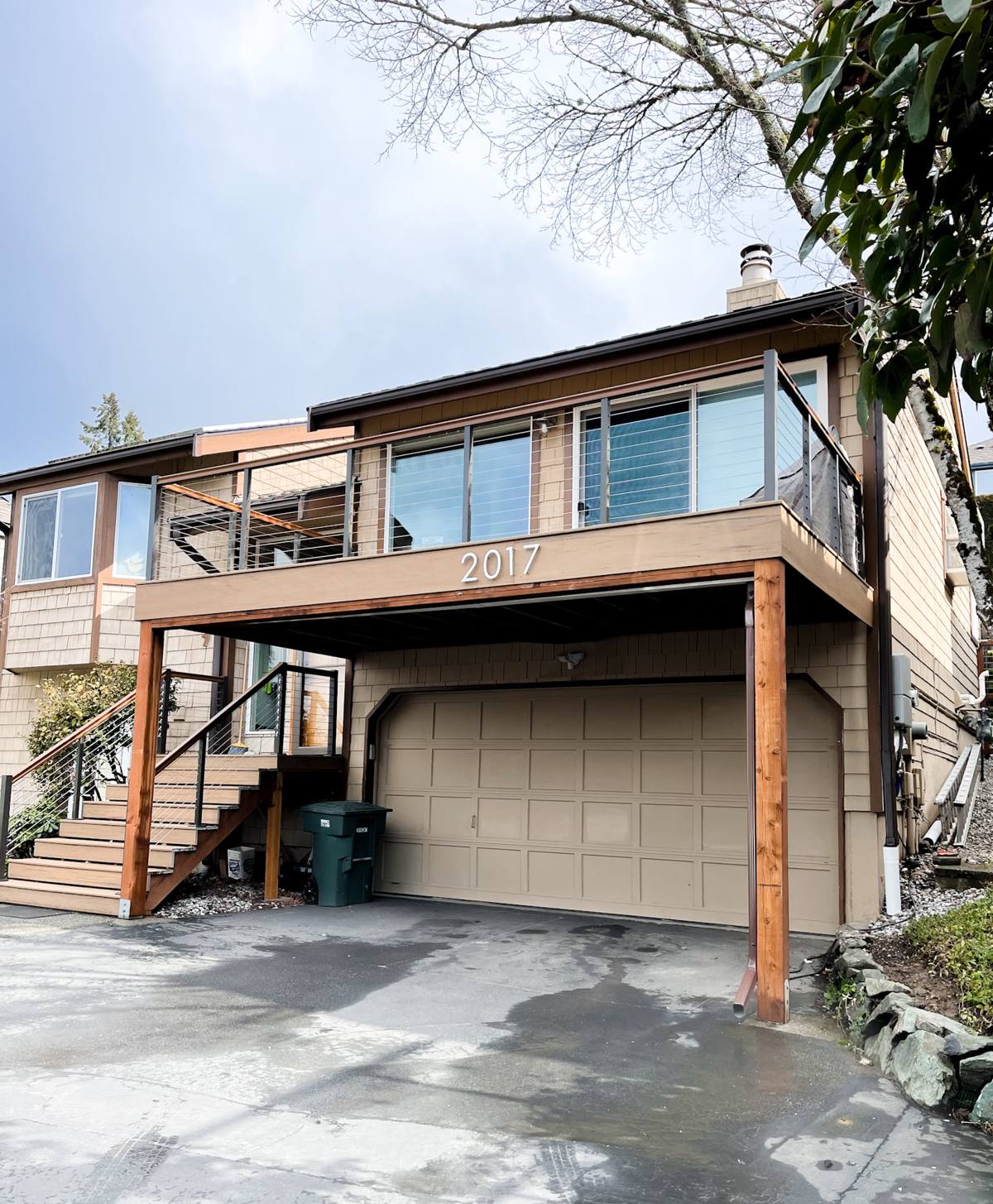
What St. Petersburg's Climate Does to a Deck
Pinellas County sits on a peninsula, which means every deck here is dealing with more than just sun. It's the combination of heat, moisture, salt-laden air, and storm wind working on the same structure year-round that wears decks down faster than most homeowners expect.
UV and Heat
Florida's sun is intense and nearly constant. UV exposure breaks down the lignin in wood fibers, which is what causes graying, splintering, and surface checking on boards that get direct sun most of the day. Finishes and sealers that would last several seasons up north can wear thin here in a year or two, especially on south- and west-facing sections of a deck.
Wind-Driven Rain and Humidity
Afternoon storms in this part of Florida don't just fall straight down — wind pushes rain sideways, into joints, under railings, and against ledger boards and fascia that were never designed to shed water from that angle. Combined with our humidity, that moisture doesn't dry out quickly. It sits in end grain, in fastener holes, and in any spot where two boards meet, which is exactly where rot starts.
Salt Air
St. Petersburg is close enough to the water that salt in the air is a real factor, even away from the immediate waterfront. Salt accelerates corrosion on metal hardware — nails, screws, joist hangers, bolts — and corroded fasteners are one of the most common hidden causes of a deck that looks structurally fine but isn't.
Hurricane-Force Wind Loads
Deck framing has to resist uplift and lateral loads during tropical storms and hurricanes, not just carry the weight of people standing on it. Ledger attachment, post connections, and railing anchoring all matter more here than they would in a low-wind region, and repairs that don't restore those connections properly leave a deck weaker than it looks.
Signs Your Roser Park Deck Needs Repair
Deck problems in this climate often start below the surface. Here's what we tell homeowners to check for, or to point out when they call us:
- Boards that feel spongy, soft, or give slightly underfoot
- Gaps opening up between deck boards, or boards cupping and warping
- Rust streaks running down from screws, nails, or hardware
- A railing or post that wobbles or flexes when you lean on it
- Visible daylight or gapping where the deck meets the house (the ledger board connection)
- Stair stringers that feel bouncy or uneven underfoot
- Discoloration, dark staining, or a musty smell near ground-level framing
- Fasteners that are backing out, stripped, or visibly corroded
- Peeling or bubbling finish that's exposing bare wood to weather
Any one of these on its own might be minor. Several together, especially around the ledger or main support posts, usually means it's time for a real inspection rather than a cosmetic fix.
What Makes Roser Park Decks a Little Different
Older, established neighborhoods like Roser Park bring a few specific factors into a deck repair job that a newer subdivision might not:
Older framing standards. Decks built years ago were often framed to the codes and practices of their time, which may not match current structural or fastening standards. A repair on an older deck sometimes means bringing a specific connection or support up to a safer standard, not just replacing what was there.
Mature tree canopy. Established trees are part of what gives these neighborhoods their character, but heavy shade also means decks underneath them stay damp longer after rain, and leaf litter can trap moisture against boards and in the gaps between them. That's great for keeping a deck cooler, but it does mean more attention to drainage and airflow underneath.
Sloped or uneven lots. Some of the terrain around this part of St. Petersburg isn't perfectly flat, which affects how a deck's support posts and footings were originally set. On older structures, we check footing depth and post condition carefully rather than assuming everything below deck level matches what's visible above it.
Character worth preserving. A lot of these homes have real architectural character, and a deck repair should respect that — matching board profiles, rail styles, and finishes so the repair blends in rather than looking like a patch.
Repair or Replace? How We Make the Call
Not every deck problem means starting over, and not every deck is worth patching. We look at the structure as a whole — framing, connections, and surface — before recommending either path.
| Factor | Repair Usually Makes Sense | Replacement Usually Makes Sense |
|---|---|---|
| Framing & support posts | Solid, dry, no significant rot or insect damage | Soft, rotted, or damaged in multiple structural members |
| Ledger board connection | Sound attachment, isolated flashing or sealant failure | Rot at the house connection or unsafe original attachment |
| Decking boards | Isolated cupping, splitting, or a few damaged boards | Widespread surface failure across most of the deck |
| Hardware & fasteners | Mostly sound with a few corroded pieces to swap | Extensive corrosion throughout the fastener system |
| Age & prior repairs | Deck is structurally young or was well-maintained | Multiple past repairs stacking on an aging structure |
We'll always tell you honestly which side of that line your deck falls on, including when a repair is the right call financially even if a full rebuild would be "nicer." A good repair on solid framing can add many more years of safe use for a fraction of replacement cost.
What a Correct Repair Actually Involves
Inspection and Diagnosis
We start underneath the deck, not on top of it. That means checking ledger attachment, post bases, joist condition, and footings — the parts that determine whether the deck is actually safe, not just whether it looks presentable. We probe suspect wood rather than guessing from the surface.
Structural Repair First
Any rot, damaged framing, or failed connections get addressed before anything cosmetic happens. This is the part of the job that doesn't show in a quick glance but is the actual reason the deck holds weight and survives wind events. Corroded fasteners get replaced with hardware rated for exterior and coastal-adjacent use, not standard interior-grade screws.
Surface and Finish Work
Damaged boards get replaced and matched to the existing decking as closely as possible. Railings are re-secured and tested for flex. Once the structure is sound, we handle sanding, sealing, or staining as needed so the repair blends into the rest of the deck rather than standing out as an obvious patch.
Final Check
Before we call a repair done, we walk the whole deck, check every rail and stair for movement, and confirm drainage isn't pooling anywhere that will undo the work within a season.
Materials We Use and Why
Material choice matters more in this climate than in most, and every option has real trade-offs worth understanding rather than just picking based on price.
| Material | Where It Fits | Trade-Offs to Know |
|---|---|---|
| Pressure-treated lumber | Framing, structural repairs, budget-conscious board replacement | Needs periodic sealing and inspection; performs well when properly maintained |
| Composite decking | Surface board replacement on decks where low maintenance is the priority | Higher upfront cost; installation sensitivity around ventilation and fastening matters more in humid climates |
| Stainless or coated hardware | All fastener and connector replacement, especially near the coast | Costs more than standard hardware, but standard hardware corrodes faster in salt air |
Our standard is to match hardware and fasteners to the exposure the deck actually faces rather than defaulting to whatever's cheapest. On a coastal-adjacent property, that upgrade in fastener quality is one of the best-value parts of a repair.
Permits and Working Within St. Petersburg's Rules
Structural deck repair — anything touching framing, footings, or the ledger connection — typically requires a permit in St. Petersburg and Pinellas County. Purely cosmetic work, like refinishing or swapping a handful of surface boards, usually doesn't. We handle the permitting conversation as part of the job when structural work is involved, so you're not left guessing whether your repair is code-compliant or trying to sort it out after the fact.
Why a Local Crew That Already Works Roser Park Matters
A deck repair company that regularly works in this part of St. Petersburg knows what older framing in this area typically looks like, how the tree canopy and terrain affect drainage, and what these homes need to hold up against hurricane season year after year. That's different from a crew seeing a deck like yours for the first time. It means fewer surprises once we're underneath the deck, and a repair plan built around how this specific climate and this specific neighborhood actually wear a structure down — not a generic checklist.
It also means accountability. We're not driving in from across the state for a one-time job; we're a crew you can call again if something needs a follow-up look after the next storm season.
Keeping Your Repaired Deck Ready for the Next Storm Season
A good repair lasts longer with a little basic upkeep. We recommend homeowners do a visual check twice a year — after the wet season and before hurricane season — looking for the same warning signs listed earlier: soft spots, rust streaks, loose rails, and gaps opening up. Keeping leaves and debris cleared from between boards and away from ground-level framing goes a long way toward preventing the moisture buildup that causes rot in the first place. Re-sealing or refinishing on a regular schedule, rather than waiting until the finish has already failed, protects the wood underneath and stretches the life of the repair considerably.
If you're in Roser Park or nearby and have a deck that's showing its age, we're happy to take a look and give you an honest, no-pressure assessment of what it actually needs. Use the form below to request a free estimate.