 St. Petersburg
 Roof Repair Built for Historic Kenwood's Older Homes
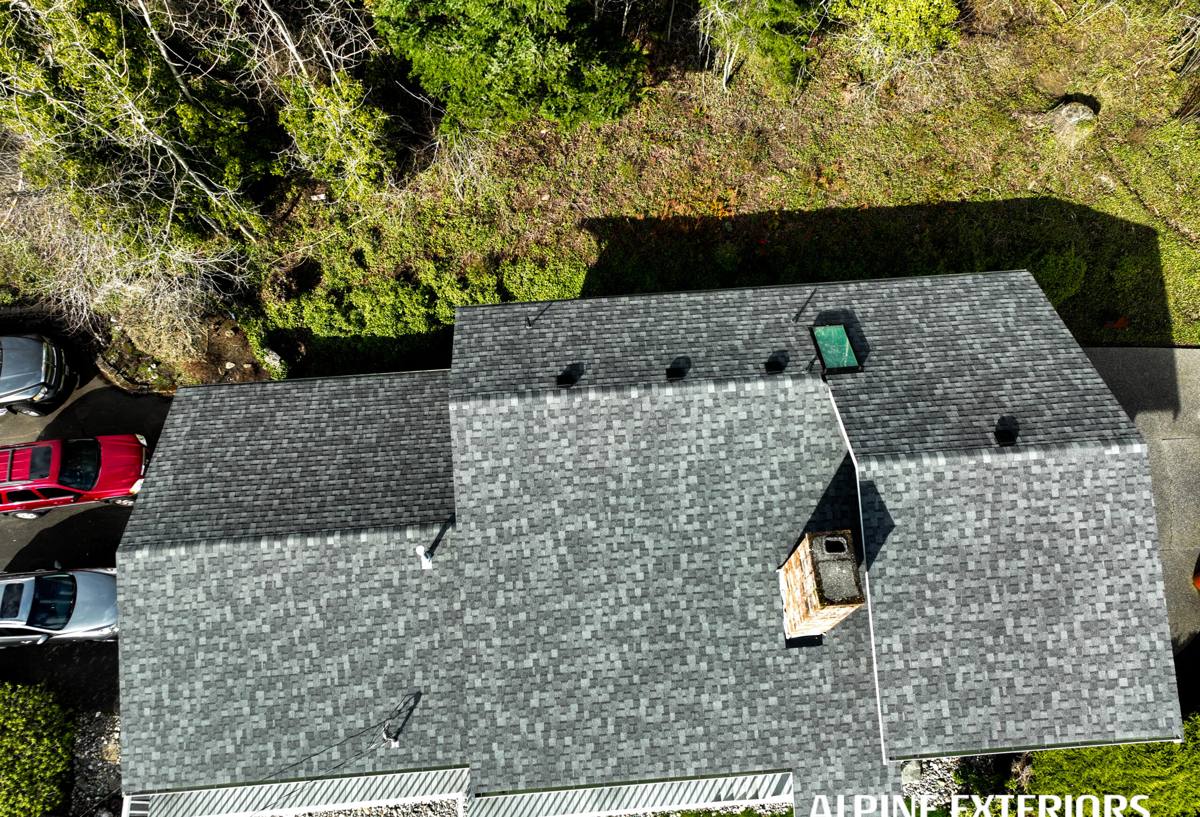
Historic Kenwood is one of St. Petersburg's designated historic districts, known for its concentration of early-20th-century bungalow, Craftsman, and Mediterranean Revival homes. These houses were built with a level of detail and character you don't find in newer subdivisions — but their roofs were also built for a different era, long before modern hurricane codes, synthetic underlayments, and today's roofing standards existed. When we get a repair call from a Kenwood homeowner, we're rarely dealing with a straightforward, uniform roof plane. We're dealing with older framing, layered repairs from past decades, and rooflines with more angles, dormers, and transitions than a typical newer home in Pinellas County.
That combination — historic construction plus Gulf Coast weather — is exactly why a generic roof repair approach doesn't hold up here. A repair on a Kenwood home needs to respect the original structure while meeting the performance demands of a St. Petersburg roof today.
What St. Petersburg's Climate Does to an Older Roof
Every roof in Pinellas County deals with the same basic climate stressors, but older homes in neighborhoods like Kenwood tend to show the wear sooner and more visibly.
Hurricane-Force Wind
Wind doesn't just hit a roof — it gets under it. Older roofs, especially those with multiple past repairs or aging fastener patterns, are more vulnerable at ridges, hips, and any place where flashing or shingles have already loosened. On complex historic rooflines with several valleys and transitions, wind uplift finds the weak points faster than it does on a simple gable roof.
Year-Round UV Exposure
Florida sun is relentless on roofing material every single day of the year, not just in summer. UV breaks down asphalt oils, dries out sealants, and turns once-flexible materials brittle. On a home with a roofing system that's already decades into its life, that brittleness shows up as cracking, granule loss, and curling edges well before it would on a newer install.
Wind-Driven Rain
St. Petersburg storms rarely fall straight down. Wind-driven rain gets pushed sideways and upward under flashing, at wall-roof intersections, and around dormers and chimneys — all features that are common on Kenwood's older architectural styles. A repair that only addresses the visible leak point and ignores how water actually travels under wind pressure will fail again in the next storm.
Salt Air
Being in Pinellas County means salt-laden air is a constant, even a few miles inland. Salt accelerates corrosion on exposed metal fasteners, flashing, and drip edge. On older homes where original metal components may still be in place, corrosion is often further along than a visual inspection from the ground would suggest.
Common Repair Issues We See on Historic Kenwood Roofs
Every neighborhood has its own patterns, and Kenwood's are shaped by its age and architecture.
- Multiple layers of roofing material stacked from past repairs, adding weight and hiding the condition of the decking underneath
- Original wood decking that has softened or delaminated in spots, especially near valleys and roof penetrations
- Chimneys and dormers with aging flashing that was never upgraded to current materials
- Complex rooflines with more valleys, hips, and transitions than a typical modern roof, each one a potential leak point
- Ventilation that was adequate when the home was built but is undersized by today's standards, contributing to heat and moisture buildup in the attic
None of these are reasons to avoid repair — most historic-district roofs can be repaired effectively for years before a full replacement is needed. But they do mean the repair has to be diagnosed carefully rather than patched on the surface.
What a Correct Repair Actually Involves
A surface-level patch covers the symptom. A correct repair addresses the cause. On an older Kenwood roof, that usually means:
- Full diagnosis, not just the reported leak. We trace water intrusion back to its actual entry point, which is often several feet from where the stain shows up inside.
- Decking inspection at the repair area. If the wood underneath has softened from long-term moisture, replacing shingles over it won't hold.
- Flashing evaluation at every penetration nearby. Chimneys, dormers, and vent stacks near the repair zone get checked, not just the immediate leak site.
- Matching materials where it matters. On a historic-district home, we work to keep repairs visually consistent with the existing roof rather than leaving an obvious patch.
- Sealing and fastening rated for wind uplift, so the repaired section performs the way the rest of the roof should during a wind event.
Repair Cost Factors on Historic Homes
| Factor | Why It Affects Cost |
|---|---|
| Roof complexity (valleys, dormers, chimneys) | More transitions mean more flashing work and labor time |
| Decking condition | Soft or delaminated decking must be replaced before new material goes down |
| Number of existing roofing layers | Extra layers may need removal to properly diagnose and repair |
| Material matching | Sourcing a compatible material for a historic-district appearance can add time |
| Access and pitch | Steeper or harder-to-reach sections require more setup and safety measures |
We don't quote a repair without seeing the roof — but understanding these factors helps homeowners know what's actually driving the price, rather than wondering why one repair costs more than a neighbor's.
Materials and the Historic Character Question
Homeowners in Kenwood often ask whether they can use whatever roofing material is cheapest or most convenient. Our answer is always the same: we recommend materials based on performance in this climate and, where relevant, compatibility with the home's historic character — not on installer convenience.
Some material choices that look fine on paper carry real trade-offs on an older, complex roofline: certain lightweight products don't handle repeated wind-driven rain cycling as well over time, and some low-maintenance claims don't hold up once you factor in Florida's UV load and salt exposure. We'll walk through the honest trade-offs — upfront cost, expected service life in this climate, maintenance needs, and appearance — so the decision is yours to make with full information, not ours to make for you.
Our Repair Process
We keep the process straightforward because homeowners dealing with a leak don't need extra complexity added on top of it.
- Inspection. We get on the roof (not just a ground-level look) and document the actual condition of the affected area and the roof around it.
- Clear explanation. We tell you what's causing the leak, what's involved in fixing it correctly, and what it will cost — before any work starts.
- Repair. We replace damaged decking, correct flashing, and install matched materials with proper fastening for wind resistance.
- Verification. We check the repair area and adjacent sections to confirm there isn't a second failure point we'd be leaving behind.
- Follow-up guidance. We tell you what to watch for and when it's worth scheduling a broader roof inspection, especially on older roofs nearing the end of their service life.
Signs a Historic Kenwood Roof Needs Repair
Older roofs don't always announce a problem with an obvious active leak. Watch for these signs:
- Water stains on interior ceilings or walls, even faint or intermittent ones
- Granules collecting in gutters or at the base of downspouts
- Curling, cracking, or lifted shingle edges, especially on south- and west-facing slopes
- Visible rust or corrosion on flashing around chimneys, dormers, or vents
- Soft spots when walking the attic decking (best identified by a professional, not by walking the roof yourself)
- Daylight visible through the roof deck from inside the attic
- Musty odor in upper rooms or attic space, which can indicate trapped moisture
If any of these sound familiar, it's worth getting a repair assessment before the next storm season rather than after the next leak.
Why Local Kenwood Experience Matters
A crew that hasn't worked in older St. Petersburg neighborhoods will often treat a historic Kenwood roof like any other repair — patch the leak, move on. That approach misses what makes these roofs different: the layered repair history, the older decking, the architectural detailing that a patch can visually clash with, and the way Pinellas County's wind and rain patterns interact with a more complex roofline.
Working these homes regularly means we know what to check before a homeowner even mentions it — the flashing style typical of the era, where past repairs tend to have cut corners, and how to keep a repair from standing out against the rest of the roof. That familiarity saves time during diagnosis and reduces the chance of a callback for a problem that was actually there all along, just not addressed the first time.
Maintaining Your Roof Between Repairs
A good repair buys time, but a few habits extend it further on an older Gulf Coast roof:
- Keep gutters and valleys clear of debris, especially after Florida's rainy season
- Have flashing and sealant points checked annually, since salt air corrodes metal faster than most homeowners expect
- Trim back overhanging branches that hold moisture against the roof surface or drop debris into valleys
- Schedule a post-storm check after any significant wind event, even if no leak is visible yet
These small steps matter more on a historic home than a new one, since the underlying materials generally have less built-in margin left before they need attention.
If you own a home in Historic Kenwood and have a roof leak, a suspicious stain, or just want an honest opinion on your roof's current condition, we're glad to take a look. Request a free, no-pressure estimate using the form below — we'll walk the roof, explain exactly what we find, and give you a straight answer on what it needs.