 St. Petersburg
 Roofing in a Bay-Front Neighborhood Like Pinellas Point
Pinellas Point sits along the water on the southern edge of St. Petersburg, and that location shapes what a roof here goes through year after year. Homes close to Tampa Bay and Boca Ciega Bay take a steady beating from salt-laden air, near-constant UV exposure, and wind that comes off open water with little to slow it down. Add Florida's summer storm pattern of wind-driven rain and the occasional hurricane threat, and you have a climate that is genuinely harder on a roof than most inland parts of the country.
None of this means a roof in Pinellas Point needs to be exotic or over-built. It means the materials, fastening, flashing, and ventilation choices all have to account for conditions that a roof twenty miles inland doesn't face in the same combination. A roof replacement done right here is built for salt air, sun, and wind together — not just one of the three.
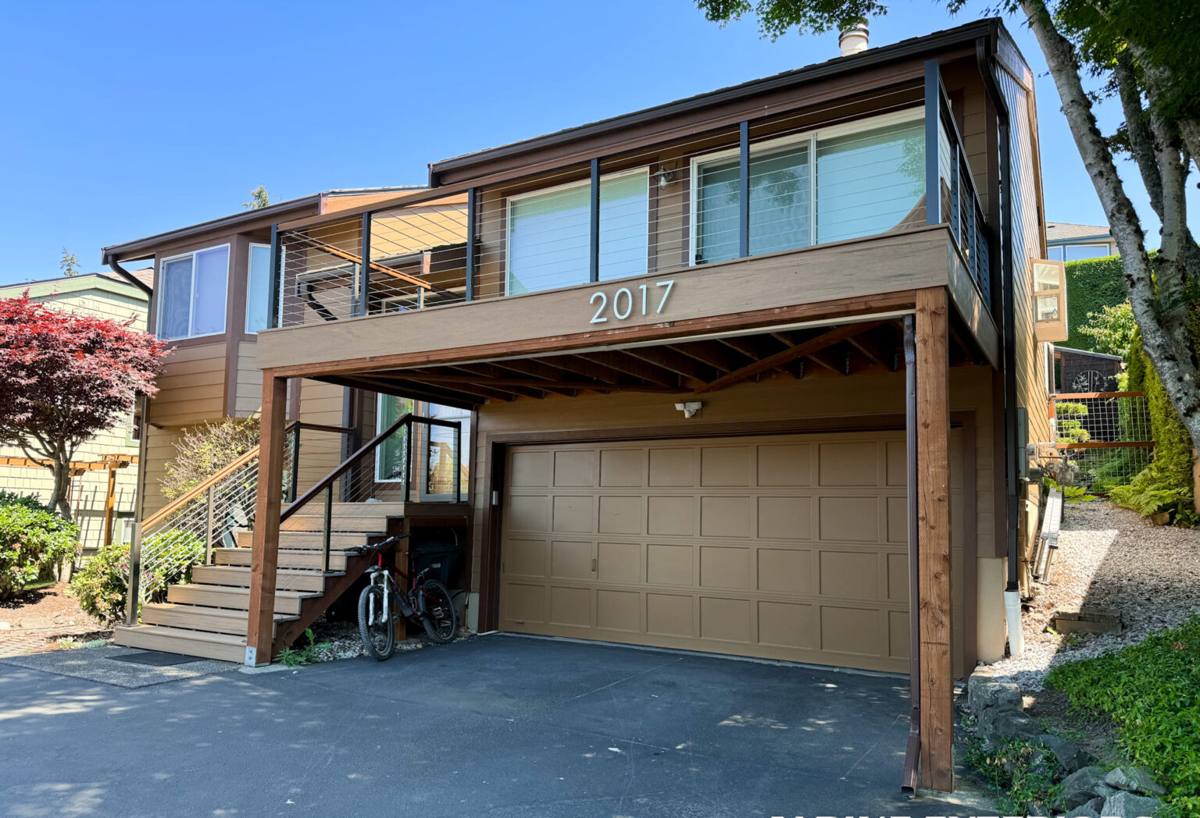
What Bay-Front Exposure Actually Does to a Roof
Salt Air and Corrosion
Airborne salt accelerates corrosion on anything metal on your roof — nails, flashing, drip edge, vent caps, and screws. A fastener or flashing piece that would last decades inland can start showing rust and weakening years sooner this close to the bay. This is why material and hardware choice matters more here than in a landlocked neighborhood.
Year-Round UV
Florida sun doesn't take a season off. Constant UV exposure dries out and embrittles roofing materials over time, breaks down asphalt oils in shingles, and can fade or chalk certain finishes. A roof that looks fine from the ground can already be losing flexibility and granule protection underneath.
Wind and Wind-Driven Rain
Open water exposure means Pinellas Point homes can see stronger, less obstructed wind than more sheltered inland streets. Wind doesn't just risk lifting shingles or panels — it drives rain sideways and upward under edges, ridge caps, and flashing that weren't sealed and fastened correctly in the first place. Most storm-related roof failures we see trace back to edge and flashing details, not the field of the roof itself.
Signs Your Pinellas Point Roof Is Due for Replacement
Repairs make sense for isolated damage. Replacement becomes the honest recommendation when the roof as a whole is past the point where patching keeps up with new problems. Common signs include:
- Shingles that are curling, cupping, or losing granules in large patches rather than one spot
- Soft or spongy decking felt when walked on, often a sign moisture has reached the wood beneath
- Recurring leaks in different locations after repairs, rather than one leak recurring in the same spot
- Visible daylight or gaps at the roof deck from the attic, especially near ridges or valleys
- Rusted or lifting flashing around chimneys, vents, and roof-to-wall transitions
- A roof approaching or past its material's realistic service life for coastal conditions, even without obvious damage
- Granules consistently collecting in gutters, a sign the shingle surface is wearing away
If you're seeing two or more of these, it's worth having someone look at the whole roof rather than treating each symptom separately.
What a Correct Roof Replacement Involves
Full Tear-Off, Not Overlay
We remove the existing roofing material down to the deck rather than layering new shingles over old. An overlay hides the deck condition, traps moisture between layers, and adds weight without addressing what's actually underneath. Tear-off is the only way to actually inspect and fix the deck.
Deck Inspection and Repair
Once the old roofing is off, we check the decking for rot, delamination, or soft spots — common wherever a slow leak has been running unnoticed. Any compromised sections get replaced before anything new goes down. Skipping this step is one of the most common shortcuts in the industry, and it's the one that causes the biggest problems later.
Underlayment Built for Wind-Driven Rain
A quality synthetic or self-adhering underlayment, properly lapped and sealed, is what actually keeps water out if wind ever drives rain up under the roof covering. This layer matters as much as the visible roofing material, if not more, in a wind-exposed location like Pinellas Point.
Fastening and Flashing to Local Wind Standards
Pinellas County enforces Florida Building Code wind-uplift and fastening requirements that are stricter than much of the country, and coastal-exposed homes should be treated at the upper end of those standards regardless of the minimum on paper. That means correct nail patterns and fastener counts, sealed and properly lapped flashing at every penetration, and secured ridge and edge details — the places wind actually finds a way in.
Ventilation That Matches the Climate
Proper intake and exhaust ventilation keeps attic temperatures and moisture in check, which extends the life of the decking and the roofing material above it. In a hot, humid climate like this one, poor ventilation quietly shortens a new roof's lifespan from the inside.
Comparing Roofing Materials for a Bay-Front Home
There's no single "best" material for every home — it depends on your roof's pitch, your budget, your home's structure, and how much maintenance you want to take on. Here's how the common options stack up for a wind- and salt-exposed neighborhood like Pinellas Point.
| Material | Wind & Storm Performance | Salt Air Durability | Maintenance | Typical Cost Position |
|---|---|---|---|---|
| Architectural asphalt shingle | Good, when rated and fastened correctly | Good with quality flashing and fasteners | Low to moderate | Lower to mid-range |
| Metal (standing seam or coated panel) | Very good uplift resistance when installed correctly | Very good with marine-grade coatings and fasteners | Low | Mid to higher |
| Concrete or clay tile | Good when properly fastened; individual tiles can crack under debris impact | Very good, tile itself doesn't corrode | Moderate, occasional tile replacement | Higher |
| 3-tab asphalt shingle | Lower wind rating than architectural shingles | Fair, more prone to early granule loss in salt air and UV | Moderate | Lowest |
We'll walk through which option fits your roof's structure, your budget, and how long you plan to stay in the home — there's no upsell pressure in that conversation, just an honest comparison.
How Our Replacement Process Works
- On-site inspection and estimate. We look at your current roof, attic, and any problem areas, and give you a straightforward written estimate.
- Material selection. We go over the options above in the context of your home specifically, not a generic recommendation.
- Permitting. We pull the required permit through the City of St. Petersburg and schedule inspections as required by code — this isn't optional, and it protects you if there's ever an insurance or resale question later.
- Tear-off and deck inspection. Old roofing comes off, the deck gets checked and repaired as needed, with debris contained and cleaned up as we go.
- Underlayment, flashing, and installation. Materials go down in the correct order and sequence, with attention to every edge, valley, and penetration.
- Final inspection and walkthrough. We confirm the work passes required inspections and walk the property with you before calling the job done.
- Cleanup. Magnetic sweep for nails and full debris removal — we don't consider a roof finished until the yard is clean.
Permitting, Wind Mitigation, and Insurance
A new roof in Pinellas County isn't just a construction project — it's also a paperwork event that affects your insurance. After replacement, a wind mitigation inspection documents things like your roof's fastening method, roof-to-wall connections, and roof shape, all of which insurers use to calculate windstorm premium discounts. A properly permitted, code-compliant replacement gives you the documentation to actually claim those discounts, where a roof installed without permits or proper inspection often can't. If insurance savings matter to your decision, ask us about wind mitigation documentation before the project starts, not after.
Why a Crew That Already Works Pinellas Point Matters
Roofing a bay-front neighborhood isn't identical to roofing a subdivision ten miles inland. A crew that regularly works in and around St. Petersburg's coastal areas already understands the wind exposure, the salt air's effect on fasteners and flashing, and how the City's permitting and inspection process actually runs — which means fewer surprises and fewer delays. Local familiarity also means we're not guessing at material behavior in this climate; we're working from what we've already seen hold up and what hasn't.
It also matters for response time. If a storm rolls through the bay and causes damage, a contractor who's already local can get to your property faster than one dispatching from across the county or out of the area entirely.
Protecting Your Investment After Installation
A correctly installed roof still benefits from basic upkeep in this climate:
- Keep gutters and downspouts clear so water isn't backing up under the roof edge
- Trim back overhanging branches that can abrade shingles or drop debris in wind
- Have the roof visually checked after any major storm, particularly at flashing and edges
- Keep an eye on attic ventilation performance, especially heading into summer
- Address any small leak or lifted shingle promptly rather than waiting
Manufacturer and workmanship warranties matter too — we'll go over exactly what's covered, for how long, and what maintenance (if any) is required to keep that coverage valid, so there are no surprises later.
Get a Straightforward, No-Pressure Estimate
If your Pinellas Point roof is showing its age or you just want an honest read on where it stands, we're glad to take a look. Fill out the form below for a free estimate — no pressure, no exaggerated urgency, just a clear picture of your options and what they'd involve.