 St. Petersburg
 Why Pinellas Park Homes Are a Good Fit for Metal Roofing
Pinellas Park sits in the middle of the peninsula, but "inland" doesn't mean sheltered here. Every roof in this part of Pinellas County deals with the same combination of stressors: sustained high humidity, intense UV exposure nearly year-round, sideways wind-driven rain during summer storms, and a steady dose of salt-laden air carried in off both coasts. Asphalt shingles wear down faster under that combination than most homeowners expect, especially on south- and west-facing slopes that take the brunt of the afternoon sun.
Metal roofing holds up differently. A correctly installed metal roof sheds wind-driven rain instead of letting it work under tabs and fasteners, reflects a meaningful amount of solar heat instead of absorbing it, and doesn't granulate, curl, or crack the way shingles do after a decade of Florida sun. That's why we get asked about it constantly in Pinellas Park specifically — older homes with aging shingle roofs, and homeowners planning to stay put long-term, both tend to land on metal once they understand what it actually involves.
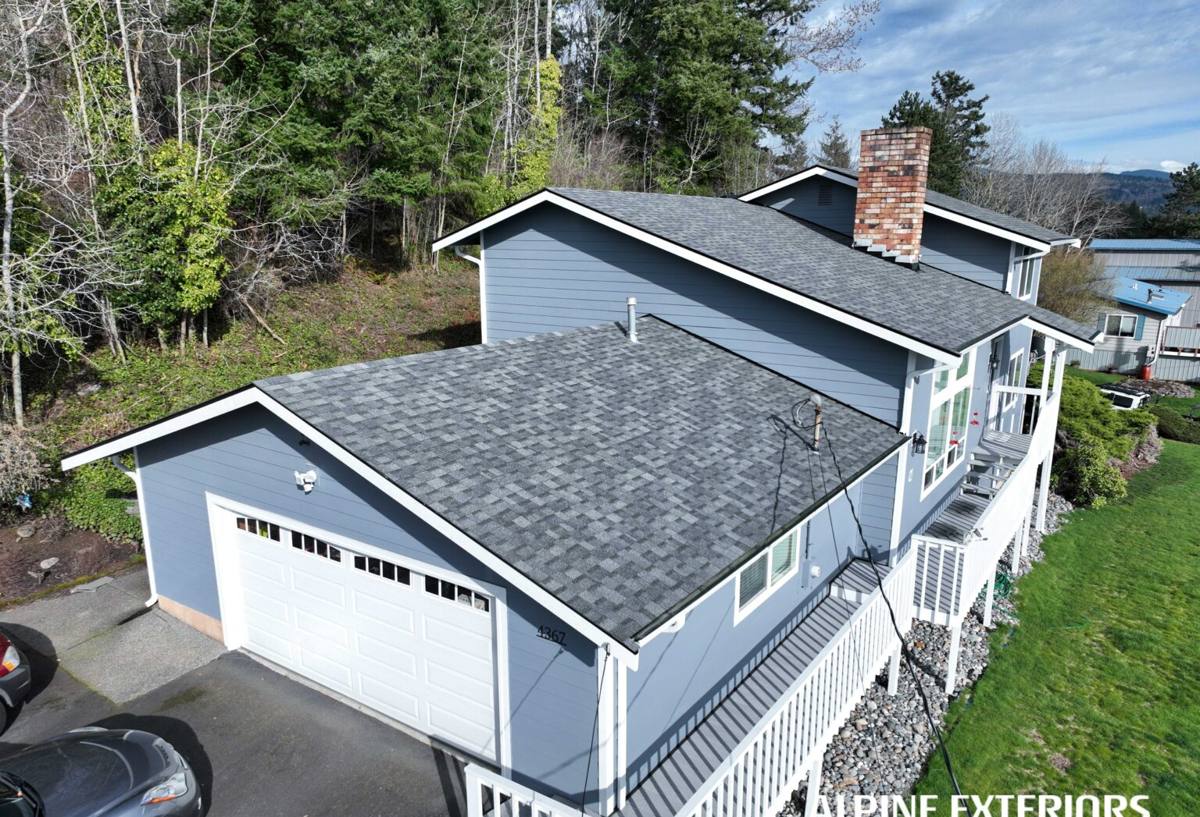
What This Climate Actually Does to a Roof
Wind
Pinellas County building code exists because of storm history, not theory. Roof coverings here are rated and installed to resist uplift, but the rating only means something if the fastening pattern, underlayment, and edge details are done correctly. A metal roof's wind resistance comes from the panel system and how it's attached — not just the material itself.
UV and Heat
Year-round sun exposure breaks down petroleum-based roofing products from the surface down. Metal doesn't degrade the same way, and finished metal roofing reflects rather than absorbs a good portion of solar radiant heat, which can noticeably reduce attic temperatures.
Salt Air
Even away from the immediate waterfront, salt aerosol travels on prevailing winds and settles on every exterior surface in the county, Pinellas Park included. This is why fastener material, panel coating, and flashing metal all matter more here than they would inland in a landlocked state — the wrong combination corrodes years before it should.
Wind-Driven Rain
Straight-down rain is rarely the problem. Rain pushed sideways at 40-60+ mph during a summer storm finds every weak seam, exposed fastener, and poorly lapped flashing detail. Metal roofing done right is engineered around this specific failure mode.
What a Correct Metal Roof Install Actually Involves
The panels get most of the attention, but the parts of the job that actually determine whether a metal roof performs for its full service life are underneath and around them.
- Deck inspection and repair: Any soft, delaminated, or water-damaged decking gets replaced before anything goes down — panels installed over a compromised deck will eventually fail regardless of the metal's quality.
- Underlayment selection: High-temperature, self-adhering underlayment suited for metal (not a generic felt) protects the deck if a seam is ever compromised and handles the heat metal panels can transfer.
- Fastener and clip choice: Corrosion-resistant fasteners matched to the panel metal, spaced to the manufacturer's wind-rated pattern — not a generic spacing.
- Flashing details: Valleys, penetrations, wall transitions, and edges are where most roof leaks actually start. These get custom-formed flashing, not caulk-and-hope shortcuts.
- Panel expansion allowance: Metal expands and contracts with Florida's daily temperature swings; fastening systems need to accommodate that movement without loosening or oil-canning over time.
- Ventilation: A metal roof over a poorly ventilated attic still traps heat and moisture — ridge and soffit ventilation should be checked and corrected as part of the job, not treated as a separate project.
Panel Types and Trade-Offs
Not every metal roofing product is the same fit for every Pinellas Park home. We walk homeowners through the real trade-offs rather than pushing whichever product has the best margin.
| Panel Type | Typical Use | Trade-Offs |
|---|---|---|
| Standing seam | Most residential re-roofs, higher-end look | Concealed fasteners resist wind and leaks best; higher upfront cost |
| Exposed-fastener panel | Budget-conscious projects, outbuildings, some homes | Lower cost, but fastener gaskets age and need eventual maintenance |
| Stone-coated steel | Homeowners wanting a shingle or tile look with metal performance | Heavier, more installation-sensitive, higher material cost |
| Aluminum panel systems | Homes closer to salt exposure or with corrosion concerns | Naturally corrosion-resistant, typically higher cost than steel |
We don't push stone-coated or specialty systems on every job. When a homeowner's budget and goals point to standing seam or a quality exposed-fastener system, that's what we recommend — the right product is the one that matches the home, the budget, and how long the homeowner plans to stay.
Coatings and Corrosion Resistance Matter More Here
Two roofs with the same base metal can perform very differently depending on the paint/coating system. In a coastal county like Pinellas, we steer homeowners toward panel finishes with proven corrosion resistance and a manufacturer warranty that actually covers coastal or "mixed" exposure zones — some warranties exclude or limit coverage within a certain distance of saltwater, and Pinellas Park's proximity to both Tampa Bay and the Gulf puts it inside that zone for many manufacturers. Reading that fine print before installation avoids an unpleasant surprise later.
Cost Factors Homeowners Should Understand
| Factor | Why It Moves the Price |
|---|---|
| Panel type and gauge | Heavier gauge and standing seam systems cost more than lighter exposed-fastener panels |
| Roof complexity | Valleys, dormers, and multiple roof planes require more custom flashing and labor |
| Deck condition | Rot or delamination discovered during tear-off adds repair cost before panels go on |
| Coating/finish level | Higher-grade corrosion and heat-reflective coatings cost more but last longer in this climate |
| Existing roof removal | Full tear-off versus installing over an existing deck affects labor time |
We give straightforward, itemized estimates rather than a single vague number, so homeowners can see exactly where their money is going.
Our Process for a Pinellas Park Metal Roof
- On-site inspection: We assess the existing roof, deck condition, ventilation, and any problem areas specific to the home's slope orientation and tree coverage.
- Honest product recommendation: Based on budget, how long the homeowner plans to stay, and the home's exposure, not a one-size-fits-all pitch.
- Permitting: Pinellas County and local jurisdiction permitting is handled as part of the job, not left to the homeowner to sort out.
- Tear-off and deck repair: Old roofing removed, deck inspected board by board, any damaged sections replaced.
- Underlayment and flashing: Installed to the standard the panel manufacturer and local code require, not the minimum that passes inspection.
- Panel installation: Fastened and spaced to the wind-rated pattern for the specific product and roof geometry.
- Final walkthrough: We review the completed roof with the homeowner and go over maintenance basics before we consider the job done.
Why Local Experience Matters for This Job
Metal roofing is unforgiving of shortcuts in a way shingles sometimes aren't — a poorly lapped flashing detail or wrong fastener choice might not show up as a leak for a year or two, by which point tracing it back to the install is much harder. A crew that already works Pinellas Park and the surrounding St. Petersburg area knows the wind exposure differences between an open lot and a tree-sheltered one, understands which coastal-zone warranty exclusions actually apply locally, and has already worked through Pinellas County's permitting and inspection process enough times to not slow the job down. That local repetition is what separates a metal roof that performs for decades from one that needs early rework.
Maintenance: What Actually Matters After Install
- Rinse off accumulated salt film and debris periodically, especially after long dry spells followed by storms
- Keep gutters and valleys clear so water doesn't pool against seams or flashing
- Have flashing and fastener condition checked after any major named storm, even if there's no visible leak
- Trim back overhanging branches that can scratch coatings or drop debris into valleys
- Address any coating scratches promptly — bare metal exposed to salt air corrodes faster than most homeowners expect
None of this is heavy maintenance compared to shingle roofing — it's mostly about catching small issues before salt air and storm season turn them into bigger ones.
Is Metal Roofing Right for Your Pinellas Park Home?
Metal roofing isn't automatically the right call for every home or budget, and we'll say so plainly if a repair or a different roofing system makes more sense for your situation. But for homeowners planning to stay long-term, dealing with recurring shingle problems, or wanting a roof that's genuinely built for what St. Petersburg-area weather does to a house, it's worth a real look — done by a crew that installs it correctly the first time.
If you're weighing metal roofing for a Pinellas Park home, we're happy to take a look and give you a straight, no-pressure estimate — just fill out the form below.