 St. Petersburg
 New Roof Installation Built for Euclid-St. Paul
Euclid-St. Paul sits in one of St. Petersburg's older, established neighborhoods, which means a lot of the housing stock is carrying roofs that were installed decades ago, sometimes with materials and installation methods that don't hold up to what Pinellas County weather demands today. When a roof on one of these homes reaches the end of its life, a full replacement isn't just about swapping shingles — it's a chance to bring the entire roofing system up to a standard that can actually handle hurricane-force winds, constant UV exposure, wind-driven rain, and salt air coming off the water. We install new roofs in Euclid-St. Paul with all of that in mind, not as an afterthought.
This page is about one thing: full new roof installation for homes in this specific part of St. Petersburg. Not repairs, not a general overview of roofing types — what a correct, code-compliant install looks like for this neighborhood, and why the details matter more here than they do somewhere inland.
Why Euclid-St. Paul Roofs Take a Harder Hit
Every roof in the Tampa Bay area deals with sun and storms, but a few things stack up for homes in this neighborhood specifically:
- Coastal proximity: Salt-laden air corrodes exposed metal fasteners, flashing, and vents faster than it would further inland, which is why fastener and flashing material choice isn't optional here — it's a durability decision.
- Older homes, older roof decks: Many houses in this area still have original or older-generation roof decking under the shingles. Deck condition is often the real story behind a roof's remaining life, and it only shows up once the old roofing is stripped off.
- Mature tree canopy: Established neighborhoods like this one tend to have more mature trees, which means more debris load, more shading (which slows shingle drying after rain), and more risk of limb impact during storms.
- Wind exposure: Pinellas County sits on a peninsula, and St. Petersburg homes are squarely in the path of tropical systems moving through the Gulf. Wind uplift at roof edges and corners is the single most common failure point we see after a storm.
None of this means a Euclid-St. Paul roof is doomed to fail early. It means the installation has to account for these conditions specifically, rather than following a generic checklist.
Signs Your Roof Needs Full Replacement, Not a Repair
Not every roof problem calls for a full tear-off. Here's how we think about the line between repair and replacement:
| Condition | Usually Repairable | Usually Needs Replacement |
|---|---|---|
| Isolated missing or lifted shingles after a storm | Yes | No |
| Roof is 20+ years old with granule loss across most of the field | No | Yes |
| Soft spots or sagging in the decking | No | Yes |
| Recurring leaks in different spots each season | No | Yes |
| Single flashing failure around a chimney or vent | Yes | No |
| Widespread curling, cracking, or brittle shingles | No | Yes |
| Insurance or lender requiring updated roof certification | Depends on findings | Often |
If you're not sure which category your roof falls into, that's exactly what a proper inspection is for — we'll tell you honestly if a repair will hold, or if you'd just be spending money to delay the inevitable.
What a Correct New Roof Installation Actually Involves
Tear-Off and Deck Inspection
We remove the existing roofing down to the deck rather than layering over it. Layering over old shingles hides problems and shortens the life of the new roof — it's not something we'll do regardless of what it might save upfront. Once the deck is exposed, we inspect every sheet for soft spots, delamination, or water damage. Any compromised decking gets replaced before anything else goes down. This step is where old Euclid-St. Paul homes most often reveal issues that weren't visible from the ground.
Underlayment
The underlayment is your roof's real waterproofing layer — the shingles or metal on top are mostly there to protect the underlayment from UV and physical wear. For this area, we lean toward synthetic or self-adhering underlayment options that resist wind-driven rain intrusion at seams, since a standard felt underlayment alone isn't enough insurance against the kind of sideways rain a tropical system can push under a roof edge.
Flashing and Fasteners
Given the salt air exposure, we use corrosion-resistant fasteners and flashing rather than cutting corners on metal grade. Flashing around chimneys, vents, skylights, and roof-to-wall transitions is where the majority of leaks originate on an otherwise sound roof — it's also where a rushed installation shows up first, usually within a year or two.
Wind-Rated Installation Method
Nailing pattern, fastener count, and edge treatment all affect a roof's wind rating. Florida Building Code sets minimum requirements for wind resistance, and Pinellas County enforces High-Velocity Hurricane Zone-adjacent standards depending on your specific location and structure. We install to meet or exceed the applicable wind rating for your address, not just the minimum that technically passes.
Ventilation
Attic ventilation gets overlooked constantly, but it directly affects shingle life in a climate this hot. Poor ventilation traps heat and moisture under the roof deck, which accelerates shingle aging from underneath — a problem that has nothing to do with sun exposure on top. We check existing ventilation during the estimate and correct it as part of the installation when needed.
Final Inspection and Cleanup
Every installation is checked against code and manufacturer specifications before we consider the job done, and we do a full magnetic sweep and debris cleanup of the property afterward.
Material Choices for This Climate
We install several roofing systems, and the right one depends on your home's structure, your budget, and how long you plan to stay in the house. Broad honest tradeoffs:
- Architectural asphalt shingles: The most common choice for this neighborhood — good wind ratings when installed correctly, reasonable cost, wide style range. Requires attention to fastener corrosion resistance near the coast.
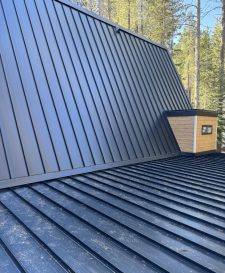
- Metal roofing: Excellent wind and longevity performance, handles UV well, but carries a higher upfront cost and requires correct fastener spacing and sealant maintenance over time to avoid leaks at panel seams.
- Tile roofing: Common on older Florida homes and very durable against UV, but individual tiles can crack from impact and the underlying structure needs to support the added weight — something we verify before recommending it as a replacement option.
We'll walk through which option actually fits your house rather than pushing whichever product has the best margin. If a material isn't a good fit for your roof structure or budget, we'll say so.
Our Process for Euclid-St. Paul Homeowners
- Free on-site inspection: We assess the current roof, deck condition where visible, ventilation, and any storm damage history.
- Written estimate: A clear breakdown of material options, scope of work, and price — no vague allowances.
- Permitting: We pull the required City of St. Petersburg / Pinellas County permits before work begins. New roof installations require permitting and inspection — that's not optional and we won't skip it to move faster.
- Material delivery and scheduling: We schedule around weather windows, which matters more here than in drier climates — a rushed install during an unstable forecast is how corners get cut.
- Installation: Tear-off, deck repair as needed, underlayment, flashing, and final roofing system installed to code.
- Final walkthrough: We review the completed work with you and make sure everything matches what was quoted.
Why Local Experience in This Neighborhood Matters
A crew that regularly works in Euclid-St. Paul already knows the general age and construction patterns of homes here, has a working relationship with the local permitting process, and understands how this specific stretch of St. Petersburg gets hit by weather compared to, say, a more inland Pinellas County neighborhood. That familiarity shows up in small but real ways — knowing to check for a particular era of decking material, or not being caught off guard by how a corner lot here catches wind differently than a mid-block property. It's the difference between a crew that's installing your roof and a crew that's installing your roof correctly for where you actually live.
What to Ask Before Hiring Anyone for a Roof Replacement
- Are you licensed and insured in Florida, and can you provide proof?
- Will you pull the required permit, or is that left to me?
- What underlayment and fastener materials do you use, and why?
- What wind rating will the completed roof meet?
- What's covered under workmanship warranty versus manufacturer warranty, and for how long?
- Will decking replacement be itemized separately, or is it a vague allowance in the estimate?
Any contractor worth hiring should be able to answer these without hesitation. If you get vague answers, that's worth paying attention to.
Get a Free, No-Pressure Estimate
If your roof is showing its age or didn't hold up the way you'd hoped through last storm season, we're happy to come take an honest look. There's no obligation and no pressure — just a straightforward assessment of where your roof actually stands and what your options are. Use the form below to request a free estimate for your Euclid-St. Paul home.