 St. Petersburg
 Snell Isle's Waterfront Setting Puts Extra Demands on Exterior Siding
Snell Isle sits directly on the water, and that changes what a siding job needs to hold up against. Homes on this peninsula face near-constant exposure to Tampa Bay's salt air, elevated humidity, and wind-driven rain that finds every gap in a poorly sealed exterior. St. Petersburg's broader climate already asks a lot of exterior materials — hurricane-force wind events, intense year-round UV, and long stretches of heat and moisture. Add a bay-front or canal-front lot on top of that, and the margin for error on a siding installation gets a lot smaller.
This page covers what James Hardie fiber cement siding actually involves for a home in this neighborhood: what the climate does to siding over time, what a correct installation requires, how our process works here, and why it matters to hire a crew that has already worked Snell Isle rather than one learning the neighborhood for the first time on your house.
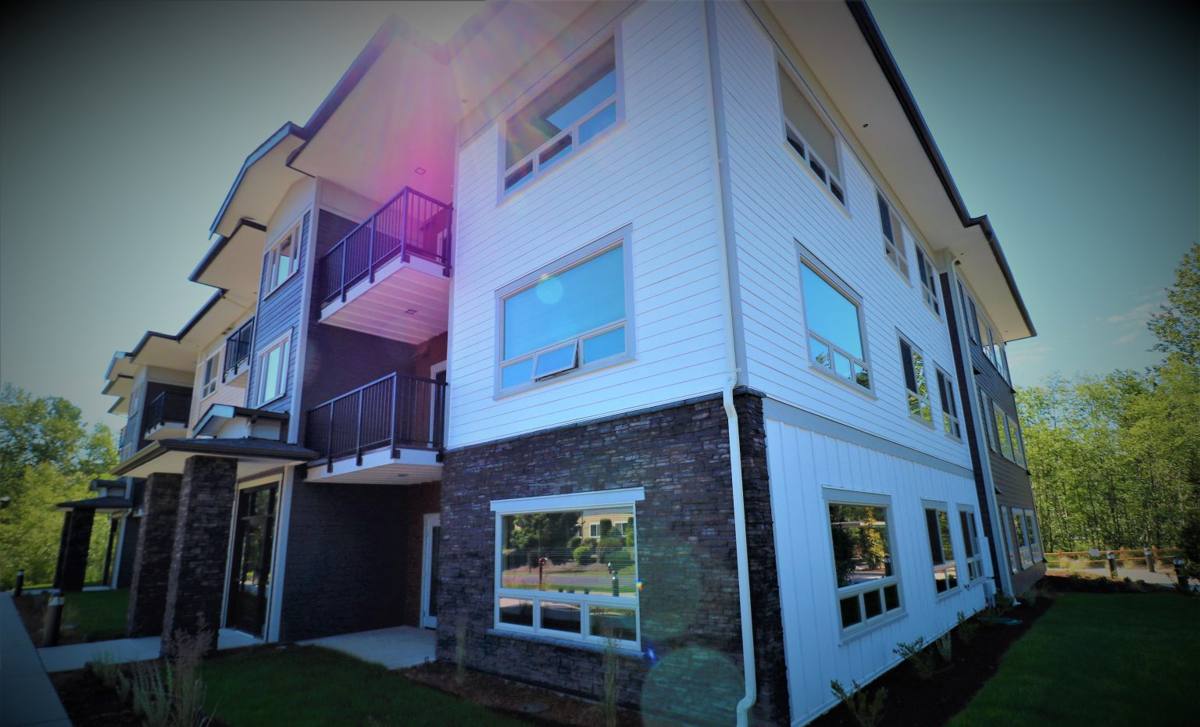
What Salt Air, UV, and Storm Wind Do to Siding Over Time
Every siding material ages differently depending on what it's fighting. On a waterfront lot like the ones in Snell Isle, three forces do most of the damage.
Salt Air and Humidity
Airborne salt is corrosive and hygroscopic — it pulls moisture out of the air and holds it against whatever surface it lands on. Fasteners, trim, and seams take the brunt of this. Materials that rely on caulked seams or exposed metal fasteners tend to show corrosion, staining, and seam failure faster this close to the bay than they would a few miles inland.
UV Exposure
Florida's sun is intense and consistent nearly year-round. Painted and pigmented surfaces chalk, fade, and lose adhesion under sustained UV, which is why paint jobs on wood and some engineered sidings need repainting on a shorter cycle here than the same product would in a milder climate.
Wind-Driven Rain and Storm Wind Loads
Wind-driven rain doesn't just fall on siding — it drives sideways and upward into laps, seams, and fastener penetrations. Combined with the higher wind loads that come with a Gulf Coast storm season, this is where installation quality matters as much as the material itself. A product rated for wind and moisture resistance can still fail early if it's fastened, gapped, or flashed incorrectly.
Why We Install Only James Hardie Fiber Cement
We don't install vinyl siding, LP SmartSide, Cemplank, Allura, or primed wood, and Snell Isle's exposure is a big part of why. Vinyl softens and can distort in sustained heat and takes on a brittle, faded look under years of direct UV — and it isn't rigid enough to hold up well in high-wind coastal exposure without visible oil-canning or panel loss. Engineered wood products and primed wood siding depend on an intact paint film and sealed edges to keep moisture out; once that film is compromised by UV and salt-laden humidity, moisture gets into the substrate and the clock starts on rot. These are honest trade-offs, not defects — they're just a poor match for a bay-front lot that gets more of everything a siding product has to resist.
James Hardie fiber cement is non-combustible, dimensionally stable, and doesn't rely on an intact paint film to keep water out of the substrate the way wood-based products do. That's the standard we hold every job to, and it's the only siding system we put on a home.
The James Hardie Product System We Use Here
HZ5 Climate-Engineered Formulation
James Hardie manufactures its siding in different formulations tuned to regional climate zones. For Gulf Coast Florida, that means the HZ5 line, engineered for high humidity, heavy rain, and warm, moisture-heavy conditions rather than a freeze-thaw climate. Using the correct zone formulation matters — it's part of what the manufacturer's warranty is actually backing.
HardiePlank Lap Siding
HardiePlank is the most common choice for Snell Isle homes and works across a range of architectural styles, from traditional lap profiles to smoother contemporary looks. It's available in several exposure widths and textures, so it can match an existing look during a partial repair or be reimagined entirely during a full replacement.
HardiePanel and Board-and-Batten Options
Snell Isle's mix of historic Mediterranean Revival architecture and newer waterfront construction means we regularly install board-and-batten and panel profiles alongside lap siding — often combined with stucco or trim accents to keep a home's original character intact.
ColorPlus Factory Finish
ColorPlus is a baked-on, factory-applied finish rather than a job-site paint coat. It resists fading and chipping better than field-applied paint and comes with its own finish warranty, which matters in a climate where UV degrades paint film faster than most.
How Hardie Compares to Other Siding Options in This Climate
| Factor | James Hardie (HZ5) | Vinyl | LP SmartSide / Wood |
|---|---|---|---|
| Salt air & moisture resistance | Non-combustible fiber cement, doesn't rely on paint film to stay watertight | Resistant to rot but can become brittle and discolored over time | Vulnerable once paint film or sealed edges are compromised |
| High-wind performance | Rigid, engineered and tested for wind exposure when installed to spec | Can distort, crack, or blow off in sustained high wind | Performance depends heavily on installation and substrate condition |
| UV / color retention | ColorPlus factory finish resists fading and chalking | Fades and chalks under sustained UV | Field paint fades faster; repainting needed on a shorter cycle |
| Ongoing maintenance | Periodic caulk/paint checks; no repainting for years with ColorPlus | Low maintenance but limited repair options once damaged | Regular repainting and moisture inspection required |
| Fire resistance | Non-combustible | Combustible | Combustible |
What a Correct Installation Involves
Fiber cement siding is only as good as the installation behind it. In a coastal environment like Snell Isle, the details that get skipped on a rushed job are exactly the ones that cause early failures.
- Proper fastening pattern and fastener type — corrosion-resistant fasteners, driven correctly (not overdriven), following the manufacturer's spacing requirements for the wind zone
- Correct clearances — siding kept off roof lines, decks, and grade by the manufacturer's minimum gaps to prevent wicking moisture from below
- Weather-resistive barrier and flashing — a continuous water-resistive barrier behind the siding, with flashing at every window, door, and penetration so wind-driven rain has a drainage path instead of a way in
- Proper joint and seam treatment — butt joints, corners, and penetrations sealed per Hardie's specifications, not just caulked over as an afterthought
- Field-cut edge sealing — any factory edge that gets cut on site sealed to maintain moisture resistance at that cut
Skipping any one of these doesn't usually show up right away — it shows up two or three years later as staining, soft trim, or a warranty claim that gets denied because the installation didn't meet spec.
Our Process on a Snell Isle Home
- On-site assessment — we look at the home's current siding, substrate condition, moisture history, and how exposed the lot is to open water and prevailing wind
- Permitting — siding replacement in St. Petersburg and Pinellas County requires a permit under the Florida Building Code's coastal wind provisions; we handle that filing so the job is inspected and documented correctly
- Tear-off and substrate check — removing existing siding gives us a direct look at sheathing and framing before anything new goes up; any moisture damage found gets addressed before re-siding, not covered over
- Weather barrier and flashing installation — the moisture-management layer goes in before a single piece of Hardie board is hung
- Hardie installation to manufacturer spec — correct fasteners, clearances, and joint treatment throughout
- Final finish and detail work — trim, caulking, and touch-up so the finished job looks intentional, not patched
For homes in established or deed-restricted communities, we also account for any architectural review requirements up front, so color and profile choices don't stall the project partway through.
Maintenance: What Snell Isle Homeowners Should Expect
- Rinse siding periodically to clear salt residue and airborne debris, especially on sides facing open water
- Inspect caulking at joints, trim, and penetrations annually and after major storms
- Check for any soft or discolored trim boards, which usually indicate a moisture path worth addressing early
- Keep landscaping and irrigation from spraying directly on siding to reduce constant surface moisture
- Expect ColorPlus finish to hold its color far longer than field-applied paint, but plan on an inspection if you notice fading or chalking well ahead of schedule
Why Hire a Crew That Already Works This Neighborhood
A siding crew that has already worked Snell Isle knows the difference between a standard inland install and a bay-front one — where the wind-driven rain actually comes from on a given lot, how much salt exposure to plan for, and what the local permitting process actually requires before a single board goes up. That experience shows up in the details: flashing choices, fastener selection, and clearances that get set correctly the first time instead of discovered as a problem later. For a home this exposed, that's not a minor advantage — it's the difference between a job that holds up through hurricane season after hurricane season and one that needs early repairs.
If you're considering siding work on a Snell Isle home, we're happy to take a look and walk you through what your specific home and lot need. Reach out for a free, no-pressure estimate using the form below.