 St. Petersburg
 Siding Built for What Historic Kenwood's Homes Actually Face
Historic Kenwood is one of St. Petersburg's recognized historic neighborhoods, known for its concentration of early-to-mid-20th-century bungalow and Craftsman-style homes, mature tree canopy, and an active local arts community. Homes here have character that newer subdivisions don't, but that character comes with a different set of siding challenges than a house built in the last twenty years. Original wood siding, decades of prior repairs, and construction details from an earlier building era all factor into what a correct siding job looks like on a Kenwood bungalow.
On top of that, every home in St. Petersburg sits on a narrow peninsula between Tampa Bay and the Gulf of Mexico, which means hurricane-force wind, intense year-round UV, wind-driven rain, and salt-laden air are standing conditions, not occasional weather events. A siding product and installation that would be fine in a drier, calmer climate can fall short here within a few years. This page covers what fiber cement siding needs to do for a Historic Kenwood home specifically, what a correct installation involves on an older house in this neighborhood, and why we install James Hardie fiber cement exclusively rather than the wider range of siding products on the market.
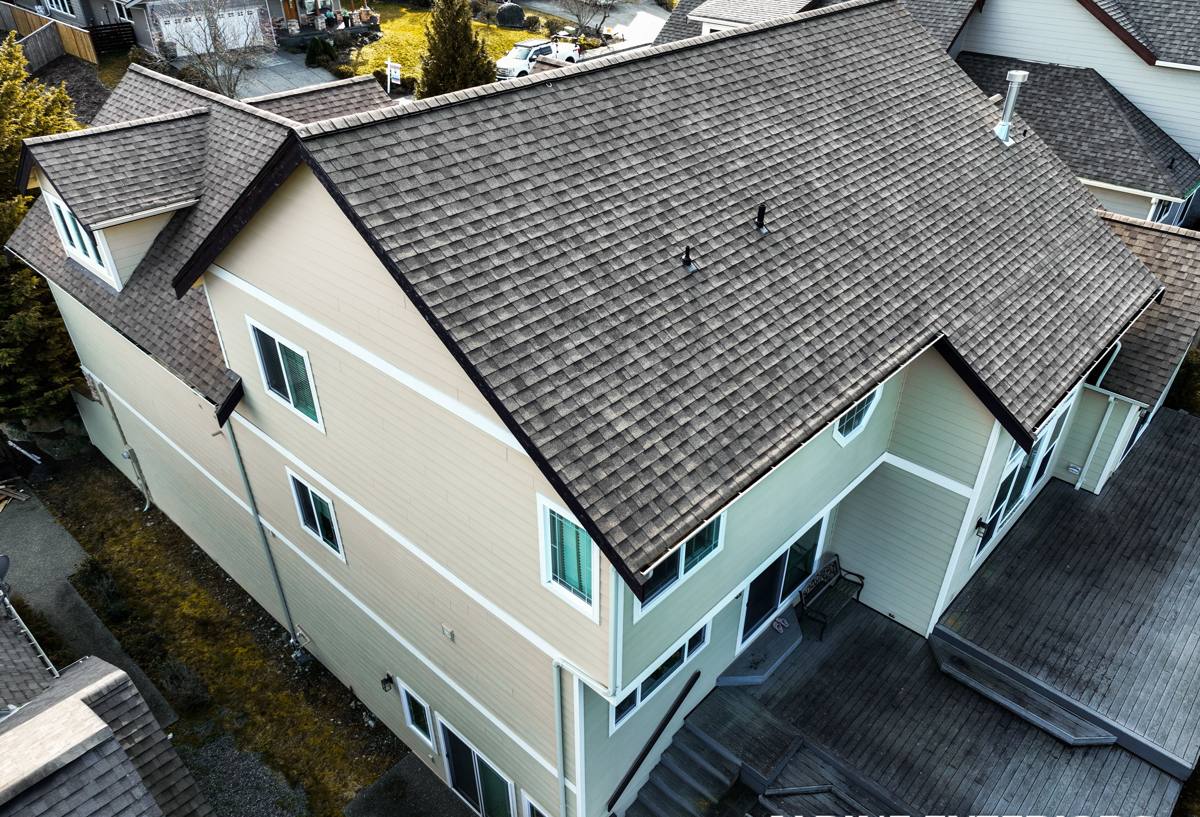
What Historic Kenwood's Housing Stock Means for a Siding Project
Older Homes, Older Assumptions Underneath the Surface
A house built in Kenwood's early development era wasn't framed, sheathed, or flashed the way a modern home is. Over the decades, many of these homes have already gone through at least one round of siding work — sometimes wood repairs, sometimes a full re-side — and what's underneath the current siding can vary a lot from house to house. Old wood sheathing, inconsistent framing, prior patch jobs, and settling that's shifted openings slightly out of square are all common on homes this age. A siding crew that doesn't expect any of that will run into surprises mid-job; a crew that does expect it plans for it from the estimate forward.
Matching the Neighborhood's Architectural Character
Bungalow-era homes typically used narrow-reveal horizontal lap siding, and in Historic Kenwood that traditional look is part of what gives the neighborhood its identity. Depending on a specific property's historic designation, exterior changes — including siding — may be subject to review under the City of St. Petersburg's historic preservation processes. We'd rather flag that possibility during the estimate than have a homeowner discover it mid-project, and we can help sort out what applies to a specific address before work starts. Even where no formal review is required, matching siding profile, reveal, and trim detailing to a home's original character is usually the right call on a house like this, both for how it looks and for long-term resale value in a historic district.
What This Climate Actually Does to Siding
UV Load
Florida gets some of the most intense year-round UV exposure in the country, and unlike a roof, siding faces that sun on multiple sides of a house for most of the day, every day. UV breaks down unstabilized coatings and lower-grade materials over time, causing fading, chalking, and surface degradation. A factory-applied finish engineered to resist UV holds its color and integrity far longer than a field-applied paint job exposed to the same sun.
Wind and Storm Loads
Hurricane-force wind is a real design condition in Pinellas County, not a rare event to plan loosely around. Siding has to be rated and fastened to hold up under sustained high wind and wind-borne debris, and the fastening schedule matters as much as the product itself — siding installed to a lighter-duty spec can lift, crack, or blow off in conditions that a correctly fastened installation shrugs off.
Wind-Driven Rain
Storms here don't just bring rain straight down — wind pushes it sideways and up under laps, trim, and penetrations. That means the water-resistive barrier, flashing details, and siding overlap all have to work together as a system. A siding product can be excellent and still let water in if the installation behind it doesn't account for wind-driven rain, which is one of the most common ways siding jobs fail early in Florida.
Salt Air
St. Petersburg's geography means there's really no point in the city that's far from Tampa Bay or the Gulf, and salt-laden air travels well inland from either. Even a Kenwood home several miles from open water picks up some salt exposure over time. Salt accelerates corrosion in exposed fasteners and metal trim and contributes to surface wear on materials that aren't built to handle it, which is part of why fastener grade and material choice both matter here.
Why We Install Only James Hardie Fiber Cement
We install James Hardie fiber cement siding exclusively. We don't install vinyl, LP SmartSide, Cemplank, Allura, primed spruce, or cedar, and that's a deliberate standard rather than a limitation in what we're able to offer. Fiber cement is non-combustible, which matters in a state with real wildfire and lightning-strike risk, and it doesn't warp, rot, or attract pests the way wood-based siding can. James Hardie's ColorPlus finish is factory-applied and baked on under controlled conditions, which gives it more consistent UV and fade resistance than a field-applied paint job, backed by its own finish warranty separate from the product warranty.
James Hardie also engineers specific product lines for different climate zones — its HZ5 line is built for humid, high-moisture climates like Florida's, with formulation differences aimed at resisting moisture-related damage better than a one-size-fits-all product. Combined with a strong transferable warranty and a track record that goes back decades, it's the product we're willing to put our name behind on a Historic Kenwood home, rather than a lower-cost alternative that trades away performance or longevity to hit a lower price point.
What a Correct Installation Involves Here
The siding board itself only does part of the job. On a home in this climate, and especially on an older Kenwood house where the substrate underneath may already have some history, the installation details are what actually determine how the job holds up. A correct job includes:
- Full removal and inspection of existing siding down to the sheathing, so hidden rot, pest damage, or prior repair shortcuts get caught and addressed before new siding goes on
- A continuous water-resistive barrier installed correctly, lapped and sealed to shed wind-driven rain rather than trap it
- Correct flashing at every window, door, and penetration — the details most likely to leak if rushed
- Fastener type, spacing, and embedment that meet James Hardie's published specifications for this wind zone, not a generic fastening pattern
- Proper clearances from grade, roofing, and other transitions, since tight or incorrect clearances trap moisture against the bottom of the siding
- Siding profile and reveal selected to match the home's original bungalow-era proportions where that matters for the property
- Correct caulking and joint treatment at seams, following James Hardie's installation guidelines rather than shortcuts that void the warranty
- A final inspection against manufacturer installation requirements before the job is considered complete
Skipping any one of these rarely causes an obvious problem on day one. It shows up years later as a soft spot at a window return, a fastener line bleeding rust through the finish, or a seam that's let moisture behind the board.
How Our Process Works
We start with an on-site walk-through of the home — condition of the existing siding, what's likely underneath it given the home's age, trim and architectural details worth preserving or matching, and any indication the property may fall under St. Petersburg's historic review process. From there we put together a scope and estimate that accounts for what we actually expect to find once the old siding comes off, not just what's visible from the street.
Once the job is scheduled, we pull required permits, remove the existing siding, and inspect the sheathing before anything new goes on — this is the point where hidden issues get fixed instead of covered over. The water-resistive barrier, flashing, and James Hardie siding go on in that order, fastened and sealed to manufacturer spec for this wind zone. We finish with a walkthrough covering what little ongoing maintenance the finished siding actually needs.
Fiber Cement Compared to the Alternatives
| Material | Wind & Storm Performance | UV & Salt Air Resistance | Fit for a Historic Bungalow Look |
|---|---|---|---|
| James Hardie fiber cement | Strong, when fastened to spec for this wind zone | Factory-baked finish resists fading; HZ5 formulation for humid climates | Wide range of profiles and reveals that match traditional lap siding |
| Vinyl siding | Can warp, crack, or blow off in high wind; lighter-duty by nature | Fades and becomes brittle under sustained UV over time | Limited ability to replicate authentic narrow-reveal bungalow profiles |
| LP SmartSide (engineered wood) | Reasonable wind performance when installed correctly | Wood-based core is more moisture-sensitive in humid, salt-air climates | Can approximate the look, but is a different material system than the original |
| Cedar or primed spruce (real wood) | Moderate; dependent on ongoing maintenance and finish condition | Requires regular sealing/painting to resist UV and moisture damage | Closest to historically authentic, but highest upkeep by far |
Why It Matters That We Already Work Historic Kenwood
A siding crew that mostly works newer subdivisions can still do competent work, but a Historic Kenwood project has variables that don't come up as often on newer construction — older framing and sheathing conditions, prior repair layers to work around, architectural proportions worth matching rather than replacing with something generic, and the possibility of historic district considerations that affect what changes are allowed. Working this neighborhood regularly means we're not guessing at any of that or learning it for the first time on your house.
That familiarity shows up in practical ways: knowing what to expect once old siding comes off a home of this age, being straightforward about which profile and reveal will actually suit the house rather than pushing whatever's easiest to install, and understanding how St. Petersburg's permitting and historic review process works before it becomes a delay mid-project.
Get a Straight Answer About Your Siding
Whether your Historic Kenwood home needs a full re-side, has damage that needs an honest assessment, or you're just trying to figure out what a correct job would actually involve on a house this age, we're glad to walk the property with you and lay out the options plainly. Reach out below for a free, no-pressure estimate.