 St. Petersburg
 Metal Roofing for Euclid-St. Paul Homes
Euclid-St. Paul is one of St. Petersburg's established, close-in neighborhoods, and like most of the city it sits well within reach of everything Pinellas County weather can throw at a roof: sustained summer heat, intense UV exposure nearly year-round, wind-driven rain during storm season, and a steady dose of salt air rolling in off the Gulf and Tampa Bay. A roof here isn't just shedding water — it's holding up against forces that wear on it every single day, not just during a named storm. Metal roofing, installed correctly, is one of the better long-term answers to that combination of stressors, which is why we get asked about it often in this part of St. Petersburg.
This page is specifically about metal roofing for homes in and around Euclid-St. Paul. We're not going to give you a generic national rundown on metal roofs — we'll cover what actually matters for a house in this neighborhood, in this climate, installed by a crew that works this area regularly.
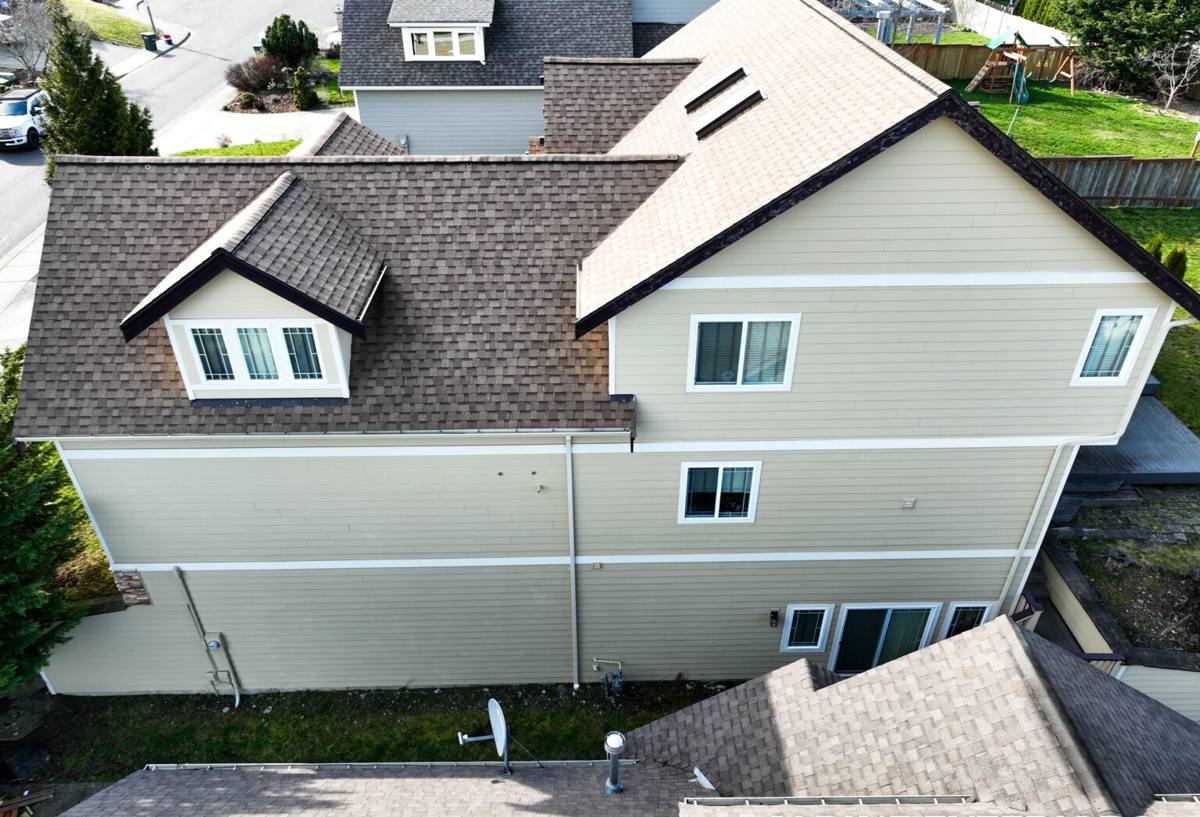
What Pinellas County Weather Actually Does to a Roof
Wind
Hurricane-force and tropical-storm-force winds don't need a direct hit to cause damage. Sustained coastal wind creates uplift pressure at eaves, ridges, and rakes — the edges of a roof — which is exactly where a poorly fastened or under-specified roofing system starts to fail first. Metal roofing performs well against wind uplift, but only when the panel type, fastening pattern, and edge detailing are matched to the wind exposure of the actual site, not installed the same way everywhere.
UV and Heat
Florida sun is hard on roofing materials year-round, not just in summer. UV breaks down organic roofing compounds, softens sealants, and accelerates aging in materials that weren't built for constant exposure. Metal doesn't degrade from UV the way asphalt shingles do, but the coating system on the panel still matters — a cheap or mismatched finish will chalk, fade, or lose reflectivity faster than a quality coating designed for this exposure.
Salt Air
Being close to the Gulf and Tampa Bay means airborne salt is a constant, low-level presence, even on calm days. Salt air accelerates corrosion on unprotected or poorly coated metal, on exposed fasteners, and on flashing details. This is one of the biggest reasons metal roofing quality varies so much in coastal work — the metal, the coating, and the fastener hardware all need to be specified for a marine-influenced environment, not a generic inland one.
Wind-Driven Rain
Rain that comes in sideways during a storm doesn't behave like rain falling straight down. It gets pushed up under laps, around penetrations, and into any gap that a calmer climate's installation standards might tolerate. Underlayment choice and flashing detail work carry more weight here than they would in a drier, calmer region.
Metal Roofing Systems We Install
Not all metal roofing is the same product wearing different colors. The panel style, gauge, and fastening method all affect how the roof performs against wind, water, and salt exposure over time. Here's a general comparison of the main options homeowners in this area consider:
| System | How It's Fastened | Typical Strengths | Trade-Offs |
|---|---|---|---|
| Standing seam | Concealed clips, no exposed fasteners on the field of the roof | Best wind and water performance, longest expected service life, cleanest look | Higher upfront cost, more installation skill required to do correctly |
| Exposed-fastener panel | Screws driven through the panel face into the deck or purlins | Lower material and labor cost, faster install | Fasteners and washers are a maintenance point and a common source of leaks if they age out or aren't torqued correctly |
| Metal shingle/shake panels | Interlocking panels, fasteners typically concealed | Mimics traditional roof profiles while keeping metal's durability | More seams and profile detail to get right at penetrations and edges |
For most homes in Euclid-St. Paul, we lean toward standing seam or a quality concealed-fastener system because of how much better it holds up against wind uplift and salt-driven corrosion over the long run — but the right choice always depends on the roof's shape, budget, and how long you plan to own the home.
What a Correct Metal Roof Installation Actually Involves
A metal roof is only as good as everything underneath it and around it. The panels get the attention, but most metal roof failures we're called to look at trace back to something else — underlayment, flashing, or fastening that wasn't done to the standard the material deserves.
- Deck inspection and repair — any soft, rotted, or delaminated decking gets replaced before a single panel goes down, not covered over
- High-quality underlayment — a synthetic or self-adhered underlayment rated for high heat and wind-driven moisture, not a bargain-grade felt
- Correct fastening pattern — clip or screw spacing matched to the wind exposure of the roof, especially at edges, ridges, and corners
- Proper flashing at every penetration — vents, chimneys, skylights, and wall transitions are where most leaks start, and where corners get cut most often
- Compatible fastener and flashing metal — mismatched metals in a salt-air environment can cause galvanic corrosion, which eats away at connections from the inside
- Ventilation — a roof deck that can't breathe traps heat and moisture, shortening the life of everything above it
- Edge and drip detail — properly formed drip edge and rake trim so wind can't get a grip and start lifting panels
Our Process for Euclid-St. Paul Homeowners
We keep the process straightforward because a roof replacement is disruptive enough without added confusion.
- On-site inspection. We look at the existing roof, the deck condition underneath (where accessible), the roof's shape and pitch, and the specific wind exposure of your lot.
- Honest recommendation. We'll tell you plainly whether metal is the right fit for your home and budget, and which system makes sense — we're not going to upsell a standing seam roof onto a home where a simpler system does the job just as well.
- Permitting. Roofing work in St. Petersburg and Pinellas County requires a permit and has to meet current Florida Building Code wind-load requirements for this region. We handle that paperwork so you don't have to chase it down.
- Installation. Deck repair as needed, correct underlayment, proper fastening and flashing, and attention to every penetration and edge detail — not just the visible field of the roof.
- Cleanup and walkthrough. Job site cleared of debris and fasteners, and a final walkthrough so you know exactly what was done and what to expect going forward.
Cost Factors for Metal Roofing in This Area
Metal roofing costs vary by home, but the same handful of factors drive most of the difference between one quote and another:
| Factor | Why It Matters |
|---|---|
| Panel system chosen | Standing seam costs more upfront than exposed-fastener panels but generally lasts longer and needs less maintenance |
| Roof complexity | More valleys, hips, dormers, and penetrations mean more flashing work and labor time |
| Deck condition | Rotted or damaged decking found during tear-off adds material and labor that can't always be predicted before the old roof comes off |
| Coating and gauge | Heavier gauge metal and higher-grade coatings cost more but resist salt-air corrosion and fading longer |
| Access and pitch | Steep or hard-to-access roofs take longer and require more safety setup |
Broadly speaking, metal roofing costs more upfront than asphalt shingles, but it typically outlasts shingles by a wide margin and needs less frequent replacement — which changes the real cost picture over the time you own the home. We'll walk through the specifics for your roof rather than quoting off a generic range.
Maintenance and Longevity in a Coastal Climate
A correctly installed metal roof in this climate is low-maintenance, but not zero-maintenance. Salt air and storm debris mean it's worth having the roof looked at periodically — checking fastener condition on exposed-fastener systems, clearing debris from valleys and gutters, and confirming flashing and sealant at penetrations haven't been disturbed by wind or settling. Catching a small issue at a checkup is a lot cheaper and less disruptive than dealing with water intrusion after it's already gotten into the attic or walls.
Why a Crew That Already Works Euclid-St. Paul Matters
Like a lot of established St. Petersburg neighborhoods, Euclid-St. Paul has a mix of home ages and roof styles, which means there's no one-size-fits-all approach to a roofing job here. A crew that already works this part of the city knows the local permitting process with the City of St. Petersburg and Pinellas County, understands the wind-load requirements that apply to this region under the Florida Building Code, and has a feel for how older versus newer construction in the area typically needs to be approached. That local familiarity translates into fewer surprises during the job, a smoother permitting process, and a roof that's actually built for the conditions it has to survive here — not a generic installation dropped into a coastal environment it wasn't planned for.
If you're weighing metal roofing for your home in Euclid-St. Paul, we're happy to come take a look and give you a straightforward, no-pressure assessment of your options. There's a form below — reach out and we'll set up a time to walk the roof with you.