 St. Petersburg
 Why Pinellas Point Homes Take a Different Kind of Beating
Pinellas Point sits at the southern tip of St. Petersburg, with water on multiple sides along Tampa Bay. That location is part of what makes the neighborhood desirable, but it also means the windows on these homes are working harder than windows a few miles inland. Salt-laden air moves through the area constantly, sun exposure is intense almost every day of the year, and wind off the water carries rain sideways during storms rather than letting it fall straight down. None of that is unique to any one house here — it's a neighborhood-wide condition, and it shapes what "energy-efficient" needs to mean for a Pinellas Point window replacement.
Salt Air and Corrosion
Salt in the air settles on everything, including window hardware, screen frames, and metal fasteners. Over years, that accelerates corrosion on lower-grade hardware and can pit or discolor aluminum that isn't properly coated. It's one of the reasons hardware quality and finish matter as much as the glass itself in a coastal St. Petersburg install.
Sun Load and Seal Failure
Florida sun is hard on window seals and frame materials year-round, not just in summer. UV breaks down inferior vinyl and rubber seals faster than in milder climates, and once a seal starts to fail, the insulated glass unit loses its gas fill and starts fogging between the panes. On a peninsula neighborhood like this one, with reflected light off open water on top of direct sun, that aging process runs faster than it does on a shaded inland lot.
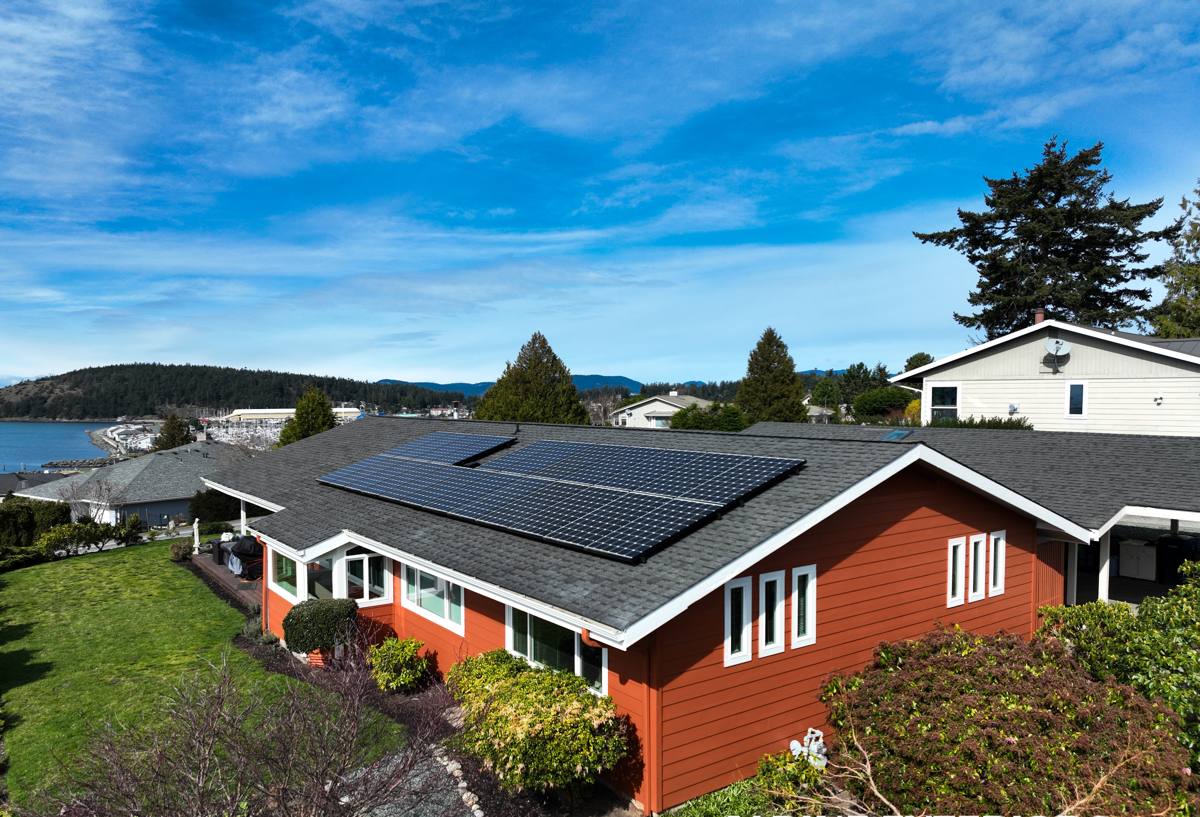
What "Energy-Efficient" Actually Means for a Coastal St. Petersburg Home
"Energy-efficient" gets used loosely in this industry. For a home in this part of Pinellas County, it should mean a specific combination of glass, frame, and sealing choices that address heat gain, humidity, and wind — not just a sticker on the glass.
Glass Packages
A Low-E coated, double-pane unit with an argon or krypton gas fill is the baseline we recommend for this area. Low-E coatings reduce how much solar heat passes through the glass, which matters given how many direct-sun hours a St. Petersburg home gets. The gas fill improves insulation value, and a warm-edge spacer between the panes resists condensation and seal failure better than older aluminum spacer designs.
Frame Material Tradeoffs
Frame choice affects how well a window holds up to salt air and heat cycling over time. There's no single right answer for every home — it depends on budget, the home's style, and how close the property sits to open water.
| Frame Material | Coastal Durability | Maintenance | Typical Use Case |
|---|---|---|---|
| Vinyl | Good — won't corrode, some UV-driven brittleness over decades | Low | Most standard replacements |
| Aluminum (coated) | Good if properly finished; watch for pitting at joints over time | Moderate | Larger openings, slimmer sightlines |
| Fiberglass/composite | Very good — stable in heat, resists salt corrosion | Low | Higher-end replacements, long hold periods |
| Wood (clad exterior) | Weakest in direct salt exposure without diligent upkeep | High | Interior aesthetic priority, not our default recommendation near open water |
We don't install unclad wood frames on homes with direct water exposure. It's not that wood windows can't perform well — it's that the maintenance burden in this air quality is higher than most homeowners want to sign up for, and we'd rather be upfront about that than sell a product that needs babying to hold its warranty.
Wind Exposure and Local Code Requirements
Much of coastal Pinellas County, including St. Petersburg, falls inside the state's wind-borne debris region under the Florida Building Code. In practical terms, that means replacement windows generally need to be either impact-rated or paired with an approved protective system, and the work typically needs a permit and inspection — not just a product swap.
Impact-Rated Glass vs. Separate Protection
Impact-rated windows use a laminated interlayer between panes of glass, similar in concept to a windshield, so the glass can crack under debris impact without opening a hole in the building envelope. The alternative is a code-compliant standard window paired with separate storm protection, like panels or accordion shutters, that gets deployed before a storm. Both routes can satisfy code; the right one depends on your budget, how the home is used, and whether you want protection that's already in place versus protection you have to install before a storm arrives.
Permitting
Window replacement in St. Petersburg requires a permit in nearly all cases, and inspectors are checking for proper product approval numbers, correct anchoring, and flashing details — not just that a window is physically in the opening. Skipping or mishandling this step can create real problems at resale, when a buyer's inspector or the county flags unpermitted work.
What a Correct Installation Involves
The window unit itself is only part of the job. Most of the problems we get called out to fix on other people's installs — leaks, drafts, soft spots in the surrounding wall — trace back to installation details, not the window product.
- Removing the old unit without damaging the rough opening or existing framing
- Inspecting the opening for hidden water damage or rot before anything new goes in
- Correct flashing sequence so water sheds outward, not into the wall cavity
- Proper shimming and anchoring to the manufacturer's and code-approved fastening schedule
- Sealing with the right sealant for the substrate — not just a bead of caulk over gaps
- Interior and exterior trim work that matches the home instead of leaving visible gaps
- Full cleanup and haul-away of old units and debris
Wind-driven rain is unforgiving of shortcuts here. A window that's rated correctly but flashed poorly will still leak in a hard rain event, and that's a problem that often doesn't show up until months later, hidden inside a wall.
Our Process for a Pinellas Point Project
1. On-Site Assessment
We look at each opening individually — sun exposure, proximity to water, current condition of the framing — rather than quoting a flat per-window price sight unseen. Homes in this neighborhood vary in age and construction, and that affects what each opening needs.
2. Product Selection
We walk through glass package, frame material, and impact vs. protected options based on your budget and how exposed the home is. We'll tell you plainly if a cheaper option is a bad fit for a given elevation of the house.
3. Permitting
We handle the permit application and schedule the required inspections so you're not tracking that down yourself.
4. Installation
Crew arrives with the correct materials for the job already staged — flashing tape, sealants rated for this climate, matching trim stock — so the work isn't held up mid-install.
5. Final Walkthrough
We check operation, seals, and finish work with you before calling the job done, and we make sure the permit closes out with a passed inspection.
What Drives the Cost
Costs for window replacement vary widely based on a handful of factors. There's no single "per window" number that applies to every home, and anyone quoting one without seeing the house is guessing.
| Factor | Why It Matters |
|---|---|
| Opening size and count | Larger or more numerous openings mean more material and labor |
| Glass package | Low-E coatings and gas fills add cost but lower long-term energy bills |
| Frame material | Vinyl, aluminum, and fiberglass carry different price points and lifespans |
| Impact-rated vs. protected standard | Impact glass costs more up front but removes the need for separate storm protection |
| Condition of the existing opening | Hidden rot or framing repair adds cost that only shows up once old windows come out |
| Access and story height | Second-story or hard-to-reach openings take more time and equipment |
We break these out in writing so you can see exactly what you're paying for and where you have room to adjust the budget without cutting a corner that matters.
Signs Your Current Windows Are Costing You Money
- Cooling bills that feel high relative to the size of the home
- Visible fog or moisture between panes of glass — a sign the seal has failed
- Windows that are hard to open, close, or lock, especially after humid stretches
- Condensation forming on the inside of the glass regularly
- Soft or discolored trim or drywall near a window frame after heavy rain
- Noticeable outside noise coming through when windows are shut
- Frames that feel warm to the touch on a sunny afternoon
Any one of these can be a minor issue on its own. Several of them together on the same window usually mean the unit is past the point where sealing or hardware repair will fix it.
Why a Crew That Already Works This Neighborhood Matters
A lot of the housing stock in this part of St. Petersburg was built decades ago, and window openings from that era don't always match current standard sizes — something a crew unfamiliar with the neighborhood may not anticipate until they're mid-job. A crew that's worked other homes on the same stretch of Pinellas Point already knows the common framing quirks, has a working relationship with the county's permitting and inspection process, and understands how exposed a given elevation of a home is likely to be based on which direction it faces the water. That translates into fewer surprises, fewer change orders, and a job that's sized correctly the first time.
It also matters for accountability. A local crew that plans to keep working in this area has a reason to stand behind the work — reputation in a tight-knit neighborhood travels fast, both ways.
If you're weighing window replacement for a home in Pinellas Point, we're happy to take a look and give you a straight answer on what your home actually needs — no pressure, no inflated urgency. Use the form below to request a free estimate.