 St. Petersburg
 Why Decks in Seminole Take a Beating
Seminole sits close enough to the Gulf and to Boca Ciega Bay that salt-laden air reaches almost every property in the area, even homes that aren't waterfront. Combine that with Pinellas County's long, humid summers, near-daily UV exposure, and the wind-driven rain that comes with our seasonal storms, and you have one of the toughest environments in the country for an outdoor wood or composite structure. A deck built to a generic national standard, or repaired with whatever lumber was on the shelf, tends to show its age fast here. Fasteners corrode, framing stays damp longer than it should, and boards that look fine on top can be hiding soft, failing wood underneath.
None of that means a deck in Seminole is a lost cause. It means the repair work has to account for this climate specifically, not just patch what's visible. That's the difference between a fix that lasts a season and one that lasts a decade.
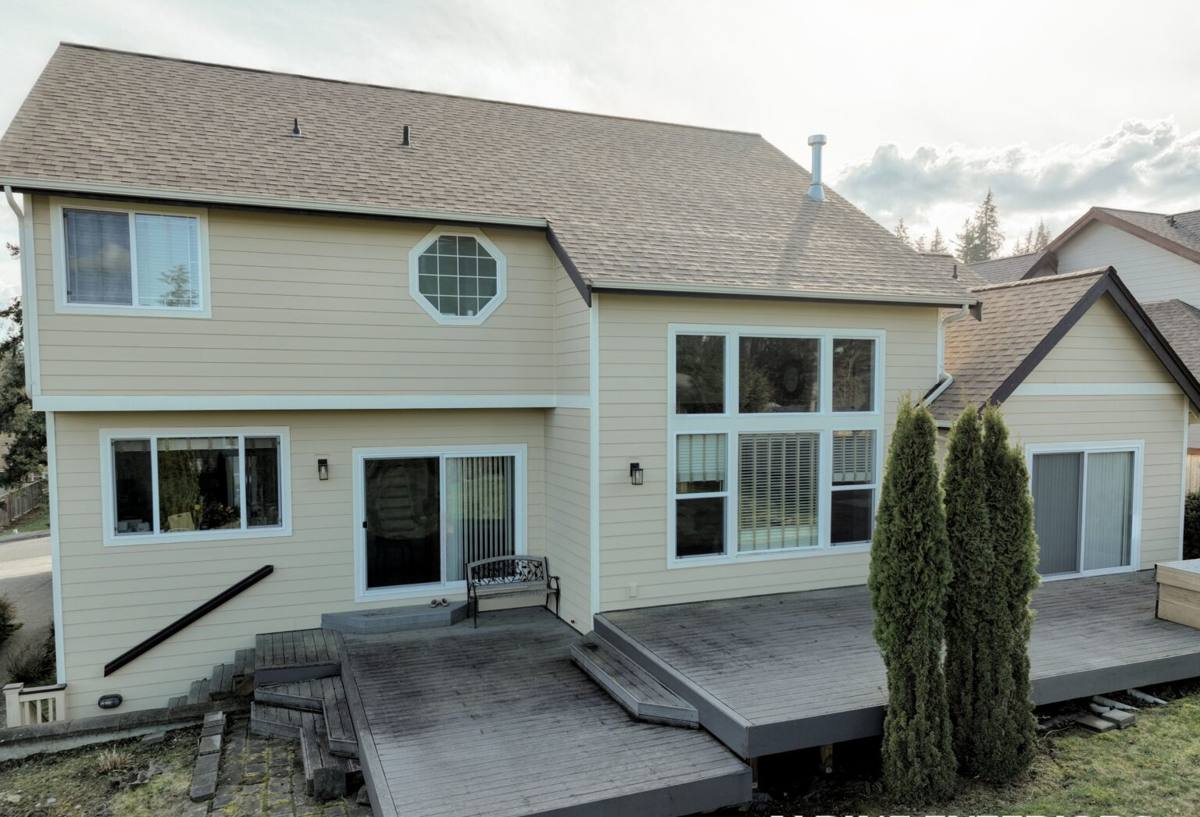
The Deck Problems We See Most Often in This Area
Fastener and Hardware Failure
Standard steel screws, nails, and joist hangers corrode quickly in salt-influenced air, especially on decks that don't get much shade or airflow underneath. Rust stains around fastener heads, popped nails, or a board that wiggles when you step near its edge are usually hardware problems before they're wood problems.
Ledger Board and Attachment Point Issues
The ledger board — where the deck attaches to the house — is the single most safety-critical connection on most decks. Wind-driven rain pushes moisture behind ledger boards that weren't flashed correctly, and years of that cycle can rot the framing right where the deck meets the structure. This is one of the most common reasons a deck fails suddenly rather than gradually.
Board Cupping, Splitting, and Surface Wear
Intense year-round UV breaks down the surface fibers of wood decking and fades or chalks composite decking over time. Combined with humidity swings, boards cup, crack, or split at fastener points. This is often the most visible damage but rarely the most serious.
Post and Footing Movement
Florida's sandy, shifting soils and heavy seasonal rain can cause posts to settle unevenly or footings to lose their bearing over time, leading to a deck that feels bouncy or slightly out of level in one section.
What a Correct Deck Repair Actually Involves
A repair that only replaces the boards you can see is a cosmetic fix, not a structural one. Before we touch a single deck board, a proper repair starts with an inspection of what's underneath: joists, beams, posts, footings, and every connection point. In our experience working on decks throughout Seminole and the surrounding St. Petersburg area, damage below the surface is present more often than homeowners expect, particularly around the ledger board and any post that sits close to grade or standing water.
A correct repair addresses, in this order:
- Structural framing — joists, beams, posts, and footings first, since decking installed over compromised framing is unsafe regardless of how new it looks
- Fasteners and connectors — replacing corroded hardware with fasteners rated for coastal or treated-lumber use
- Moisture management — flashing at the ledger board, proper drainage, and airflow underneath the deck
- Decking and railing — the visible surface repairs, done last once the structure underneath is sound
Skipping straight to new boards over old framing is the most common shortcut we see, and it's also the reason some "repaired" decks need work again within a couple of years.
Repair or Replace? How We Help You Decide
Not every deck problem calls for a full rebuild, and not every deck is worth repairing piece by piece. The right call usually comes down to how much of the structure is still sound.
| Factor | Favors Repair | Favors Replacement |
|---|---|---|
| Framing condition | Joists and beams are solid, damage is localized | Rot or corrosion is widespread across the structure |
| Age of deck | Under 10-12 years old | Original construction is much older or was built to outdated standards |
| Ledger board | Properly flashed, no water intrusion found | Rot found at the house connection point |
| Decking material | Boards are worn but framing is sound | Boards and framing are both failing together |
| Homeowner goals | Wants to preserve the current layout and budget | Wants a different size, layout, or material |
We'll walk the whole structure with you, explain honestly what we find, and give you a straight answer on which path makes more sense for your situation and budget — not just the option that's more profitable for us.
Decking Materials: What Holds Up in This Climate
Part of a good repair is choosing replacement materials that will actually hold up to Seminole's conditions, not just match what's there. Here's how the common options compare for repair work in our climate:
| Material | How It Holds Up Locally | Maintenance |
|---|---|---|
| Pressure-treated pine | Affordable and widely used, but needs consistent sealing to resist UV and moisture cycling | Re-seal every 1-2 years |
| Composite decking | Resists rot and doesn't need staining, but quality varies by brand and installation sensitivity is higher | Periodic cleaning, no sealing needed |
| Tropical hardwoods | Naturally dense and rot-resistant, performs well in humidity but is a heavier investment | Occasional oiling for appearance |
| Fasteners & hardware | Stainless steel or coated coastal-rated hardware is worth the upgrade over standard galvanized | Inspect annually |
We'll talk through the honest trade-offs of each for your specific deck — upfront cost, upkeep, and how each performs under Pinellas County's sun and humidity — rather than pushing whatever is easiest for us to install.
Our Deck Repair Process
We keep the process straightforward so you know exactly what's happening at each stage:
- On-site inspection. We check the full structure — framing, footings, ledger board, fasteners, and decking — not just the areas you've noticed problems.
- Honest assessment. We show you what we found, explain what's structural versus cosmetic, and give you a clear, written scope of work.
- Repair plan and estimate. You get a straightforward estimate broken down by what's being repaired, with no pressure to upsell work that isn't needed.
- The repair itself. Structural work first, then hardware and moisture management, then decking and railing — done in an order that protects the investment you're making.
- Final walkthrough. We check the deck with you before we consider the job finished, so you know it's solid before we leave.
Signs Your Seminole Deck Needs Repair Now
Some deck problems can wait a season. Others shouldn't. If you notice any of the following, it's worth having it looked at soon rather than later:
- Any bounce, sway, or give in the deck surface when you walk across it
- Soft or spongy spots in decking boards, especially near the house
- Visible rust streaks around screws, nails, or metal connectors
- Gaps, staining, or soft wood where the deck meets the house (the ledger board area)
- A railing or post that wobbles or feels less secure than it used to
- Cracked, split, or badly cupped boards, particularly on the sections that get the most sun
- Visible daylight or gaps at post-to-footing connections
If you see more than one of these at once, it's a good sign the issue has moved past the surface and into the structure underneath.
Permits and Local Code Considerations
Deck repair work in Seminole and the broader St. Petersburg area may require permitting depending on the scope — particularly for structural repairs involving framing, footings, or the ledger board connection. Purely cosmetic work, like replacing worn boards without touching the structure, often doesn't trigger the same requirements. Because permitting rules vary by scope and jurisdiction within Pinellas County, we handle that determination and the paperwork as part of the job, so you're not left guessing whether your repair is code-compliant.
Why It Matters to Hire a Crew That Already Works in Seminole
A deck repair crew that works regularly in this part of Pinellas County has already seen how salt air corrodes hardware faster than it does further inland, how wind-driven rain finds its way behind ledger boards, and which repair shortcuts fail first under our sun and humidity. That's not something you get from a crew that mostly works dry, inland climates and treats every deck the same way. Local experience means fewer surprises during the repair, a more accurate first estimate, and materials chosen because they actually perform here — not just because they're standard elsewhere.
If your deck in Seminole has soft spots, loose railings, corroding hardware, or just isn't holding up the way it used to, we're happy to take a look and give you a straightforward, no-pressure assessment. Request a free estimate using the form below and we'll walk you through exactly what we find and what it would take to fix it right.