 St. Petersburg
 Building a Deck for Pinellas Point's Waterfront Climate
Pinellas Point sits at the southern tip of the St. Petersburg peninsula, and a lot of the homes here either back up to open water, sit along a canal, or catch a steady breeze off Tampa Bay. That's part of what makes the neighborhood desirable — and part of what makes deck building here different from a deck build inland. Salt air, near-constant UV exposure, wind-driven rain, and the threat of hurricane-force wind gusts all work on an outdoor structure year-round, not just during storm season. A deck built to a generic spec, without accounting for those conditions, will show it within a few seasons: loose fasteners, cupped boards, corroded hardware, and railings that no longer feel solid underfoot.
This page covers what a properly built deck in Pinellas Point actually requires — from the framing you don't see to the decking you walk on — and how we approach the job for homeowners in this part of St. Petersburg.
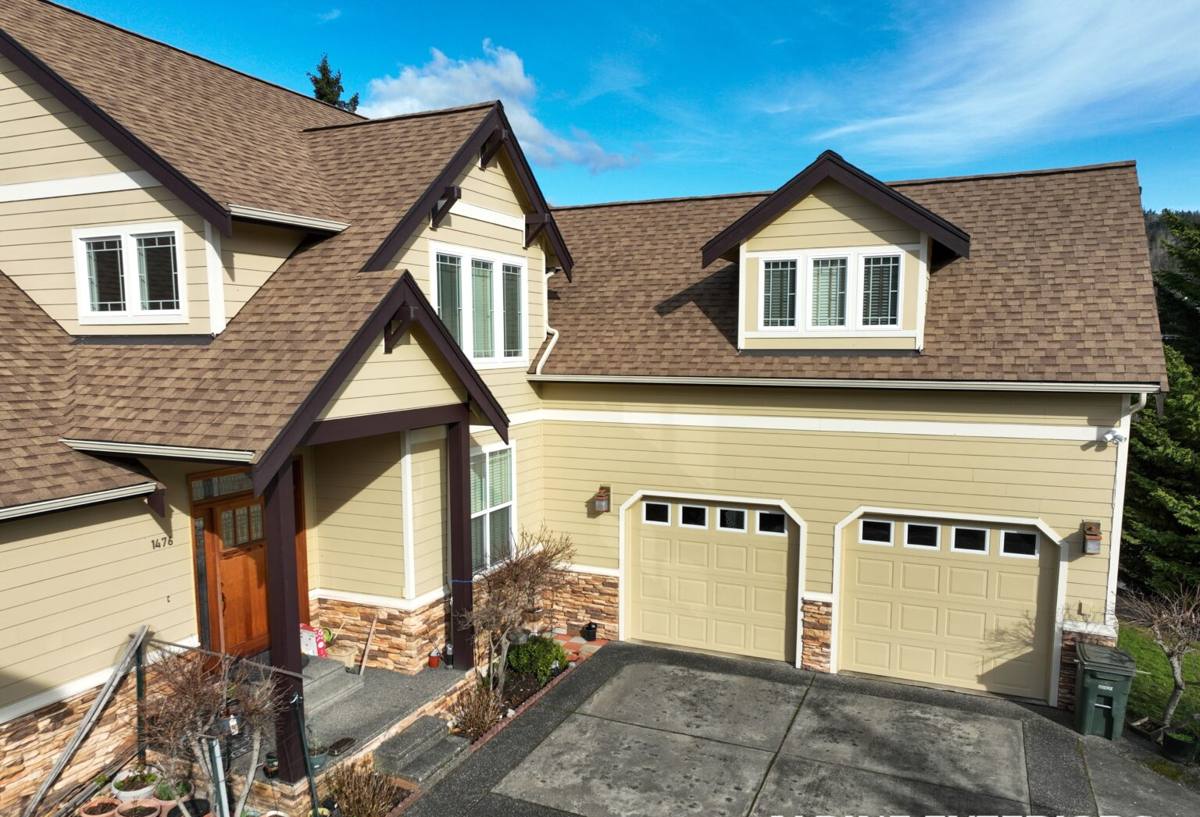
What Pinellas County's Coastal Climate Does to a Deck
Salt Air and Corrosion
Proximity to the bay means airborne salt settles on everything outside, including deck hardware. Standard zinc-coated fasteners and connectors that might hold up fine twenty miles inland can start corroding within a few years this close to the water. A corroding fastener loses grip strength long before it looks obviously bad, which makes it one of the more dangerous failure points in an aging deck.
Sun and UV
Florida sun is intense and consistent for most of the year. Wood decking that isn't sealed and re-treated on a schedule will gray, crack, and split from UV exposure alone, independent of moisture damage. Composite and PVC products vary a lot in how well their color and surface hold up under sustained UV — some fade or chalk faster than their warranty language suggests.
Wind-Driven Rain and Humidity
Afternoon storms in St. Petersburg don't fall straight down — wind pushes rain sideways into railings, under boards, and against ledger connections. Combined with Florida's humidity, any spot where water can collect and not dry out becomes a rot or corrosion risk, especially where the deck meets the house.
Hurricane Wind Loads
Pinellas County building code requires outdoor structures, including decks and their railings, to be built for the wind speeds in our zone. That's not a formality — an under-built deck can rack, lift, or lose its railing connections in a serious wind event, and it's one of the first things inspectors and insurance adjusters check after a storm.
Choosing the Right Decking Material for a Waterfront Lot
There's no single "best" decking material — the right choice depends on how close you are to the water, how much maintenance you're willing to do, and your budget. Here's how the common options compare in this climate:
| Material | How It Handles This Climate | Maintenance | Relative Cost |
|---|---|---|---|
| Pressure-treated wood | Affordable and strong, but needs sealing and is more vulnerable to salt-air corrosion of fasteners and UV graying | Annual cleaning and re-sealing | Lowest upfront |
| Composite (uncapped) | Better moisture resistance than wood, but can absorb humidity at the core and fade unevenly in full sun | Periodic cleaning, no sealing | Mid-range |
| Capped composite / PVC | Best resistance to salt air, UV fading, and moisture intrusion; the sealed shell keeps water out of the core | Occasional washing | Higher upfront |
| Tropical hardwoods | Naturally dense and rot-resistant, but requires disciplined oiling to prevent graying and checking in full sun | Regular oiling | High |
Cost per square foot for a finished deck in this area typically runs from the mid-$20s for a simple pressure-treated build up into the $60s or more for a capped composite deck with custom railing and elevated framing. The biggest swing factors are decking material, railing style, and how high the deck sits off grade.
Railing Options for a Coastal Deck
Railings take more direct wind and salt exposure than almost any other part of the deck, so the material matters as much here as the decking does. Wood railings need the same sealing schedule as wood decking and are the most maintenance-heavy option. Powder-coated aluminum railing resists corrosion well and holds up to salt air with minimal upkeep, which is part of why it's common on waterfront properties in this area. Stainless steel cable railing gives an open view toward the water but only holds up long-term if the cable, posts, and hardware are genuinely marine-grade stainless — a lower-grade substitute will rust and lose tension faster in this environment. Glass panel railing is popular for water views and doesn't corrode, but it does need more frequent cleaning to stay clear of salt film.
What Holds the Deck Up Matters More Than What You Walk On
Homeowners tend to focus on the decking surface, but the framing underneath determines whether the deck is actually safe and long-lasting. In this climate, that means:
- Ledger boards flashed correctly where they attach to the house, so wind-driven rain can't work its way behind the siding
- Stainless steel or coated fasteners and joist hangers rated for coastal/salt exposure, not standard interior-grade hardware
- Joist tape or a comparable moisture barrier on top of framing lumber so water doesn't sit under the decking boards
- Footings poured to the depth and diameter Pinellas County code requires for the deck's size and height, not a shortcut version
- Hurricane ties or equivalent hardware connecting posts, beams, and the house structure to resist wind uplift
- Proper airflow underneath the deck so humidity doesn't get trapped against the framing
None of this is visible once the deck is finished, which is exactly why it's worth asking a contractor about directly before work starts.
Attached vs. Freestanding: Which Makes Sense on Your Lot
Most decks attach to the house with a ledger board, which is simpler and less expensive but concentrates risk at one connection point — that ledger has to be flashed correctly or it becomes the first place wind-driven rain finds its way into the structure behind it. A freestanding deck, supported entirely on its own posts and footings a few inches off the house, avoids that ledger connection altogether and can be a smarter choice on a home where the existing wall assembly isn't a good candidate for a ledger attachment, or where an elevation difference makes a clean tie-in difficult. It costs more, since it needs an additional beam and set of footings, but for some Pinellas Point lots — particularly older homes or homes close to the water — it's the more durable option.
Permitting and Code Requirements in St. Petersburg
A deck attached to your home, or a freestanding deck above a certain height, needs a permit in St. Petersburg with inspection sign-off through Pinellas County. Requirements that come up on almost every project include guardrails on any deck surface roughly 30 inches or more above grade, baluster spacing that won't allow a 4-inch sphere to pass through, and structural sizing for local wind loads. Skipping the permit might save time upfront, but it creates real problems later — unpermitted work can complicate a home sale, and it can also give an insurer grounds to deny a storm-damage claim.
Waterfront and Canal-Front Considerations Specific to Pinellas Point
A meaningful share of Pinellas Point properties sit directly on the water or along a canal, and that changes a few things about how a deck project gets planned. Lots in flood-prone zones may have elevation requirements or additional permitting tied to FEMA flood maps, which affects how the deck ties into the house and what framing height makes sense. Homes closer to open water also see more direct salt spray and wind exposure than those a few blocks inland, which is one more reason material and hardware choices shouldn't be identical for every job in the same zip code. We look at each lot's actual water exposure — not just its neighborhood — before recommending a spec.
How We Approach a Deck Build in This Neighborhood
Our process is straightforward, and we don't skip steps to move faster:
- On-site assessment — we look at the house's existing structure, the lot's water exposure and grade, and how the deck will tie into the home before recommending anything.
- Design and material selection — we walk through the honest trade-offs between wood, composite, and PVC decking for your specific budget and exposure, not just the highest-margin option.
- Permitting — we handle the permit application and any engineering documentation required by the City of St. Petersburg and Pinellas County.
- Construction — framing, flashing, fastening, and decking installed to the standard we'd want on our own home, not just to pass inspection.
- Final walkthrough — we go over the finished deck with you, including what maintenance it will actually need going forward.
Maintaining a Deck in a Salt-Air, High-UV Climate
Even a well-built deck needs some seasonal attention here. A simple maintenance routine goes a long way:
- Rinse off salt residue and debris every few weeks, more often if the deck sits directly on the water
- Sweep leaves and organic debris out from between boards so moisture doesn't sit trapped underneath
- Check railing posts and stair connections for looseness at least twice a year, especially after storm season
- Reseal wood decking on the schedule the sealant manufacturer recommends — typically annually in full-sun locations
- Inspect visible fasteners and hardware for early rust and address it before it spreads
- Keep an eye on the ledger board area where the deck meets the house, since that's the most common spot for hidden moisture damage
Why It Matters to Hire a Crew That Already Works Pinellas Point
A contractor who mostly builds decks inland — or outside Pinellas County altogether — may not default to coastal-grade fasteners, may not be familiar with how the City of St. Petersburg handles waterfront permitting, and may not think about flood zone elevation until it becomes a problem mid-project. None of that is about skill; it's about exposure to this specific set of conditions. A crew that regularly works this neighborhood already knows which details matter here and builds them in from the start, instead of learning them the hard way on your project.
If you're planning a new deck or replacing one that's showing its age, we're happy to take a look and put together a straightforward estimate — no pressure, no obligation. Use the form below to get started.