 St. Petersburg
 Windows Built for the Way Euclid-St. Paul Actually Lives
Euclid-St. Paul is one of St. Petersburg's older, established residential neighborhoods, which means a lot of the housing stock predates modern window standards by decades. Original wood sash windows, early-generation aluminum single-pane units, and mismatched replacements from past renovations are common. None of that is a problem on its own — but it does mean that "custom" isn't a marketing word here. It's usually the only way to get a window that actually fits the opening, matches the home's character, and performs the way a Florida coastal home needs it to.
St. Petersburg sits in Pinellas County, a peninsula community exposed to hurricane-force wind gusts, wind-driven rain, intense year-round UV, and salt-laden air moving in off the water. Every one of those forces works against a window slowly and constantly, not just during a named storm. A window that's a poor fit — even a good-quality one installed into an opening it wasn't sized for — will let all four of those problems in faster than it should.
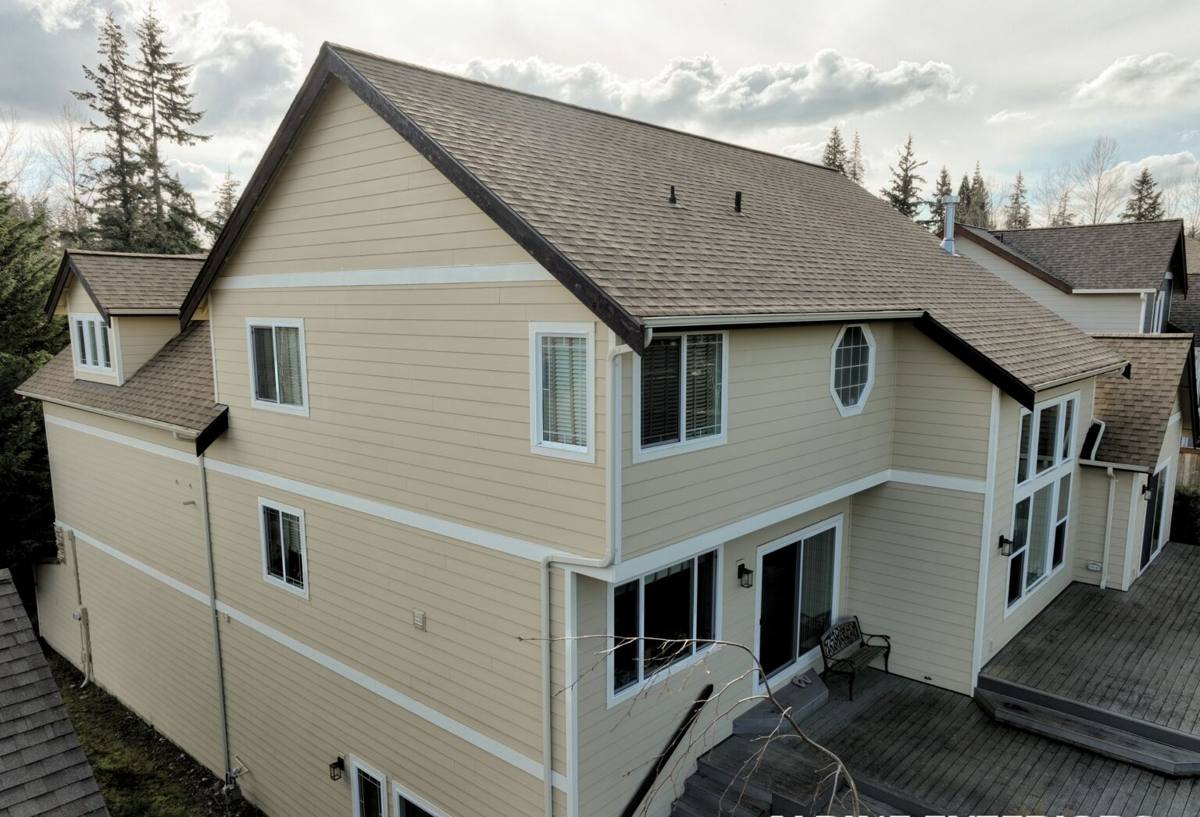
What "Custom" Really Means for This Neighborhood
Custom windows aren't about fancy shapes or upgrades you don't need. In a neighborhood with older bungalow and mid-century construction like Euclid-St. Paul, it usually comes down to a handful of practical realities:
- Openings that have shifted slightly out of square over the decades, so a stock-sized window won't seat properly without shimming that compromises the seal
- Original trim, siding, or masonry detail the homeowner wants to preserve rather than cut into for a bigger factory-standard unit
- Non-standard historic proportions — taller, narrower, or unusually shaped openings than what's common in newer subdivisions
- A mix of window styles across additions or past remodels that need to be brought back into a consistent look
- Interior wall depth or sill conditions that don't match modern nail-fin or block-frame installation assumptions
Custom fabrication means the window is built to the actual opening, not the other way around. That matters more for performance than most homeowners expect — a slightly undersized window packed with extra shim and sealant is one of the most common reasons a "good" window still leaks air, lets in wind-driven rain, or fails a wind-load expectation it was technically rated for.
Preserving Neighborhood Character
A lot of Euclid-St. Paul's appeal is its older-home character — sightlines, trim profiles, and window proportions that give the block a consistent, established look. Custom windows let a homeowner upgrade performance (impact resistance, insulated glass, tighter seals) without changing how the house reads from the street. That's often the deciding factor for owners who don't want their home to suddenly look out of place next to its neighbors.
What the Climate Actually Does to a Window Here
It helps to be specific about the mechanisms, not just the general idea of "Florida weather is tough."
| Climate Factor | What It Does to a Window Over Time |
|---|---|
| Hurricane-force wind and gusts | Stresses frame corners and glass, and can turn airborne debris into a breach point if the assembly isn't rated for the load |
| Wind-driven rain | Pushes water sideways and upward under standard flashing details, finding gaps that gravity-only drainage assumptions miss |
| Year-round intense UV | Breaks down vinyl, weatherstripping, and low-quality seals faster than in most other US climates; fades interior finishes near unprotected glass |
| Salt air | Accelerates corrosion on hardware, fasteners, and lower-grade aluminum components, especially within a few miles of the water |
| Humidity swings | Drives condensation and, over time, seal failure in insulated glass units that weren't properly assembled or capped |
None of these show up as a dramatic failure on day one. They show up as a slow leak three summers later, a window that suddenly won't lock right, or hardware that seizes up. That's why the install details matter as much as the product itself.
Wind, Impact, and Code Requirements in Pinellas County
St. Petersburg is in a coastal, wind-borne debris region under the Florida Building Code, which means window and door assemblies generally need to meet either impact-rated glazing standards or be paired with approved protection. The exact requirement for a given home depends on its location, elevation, and the specifics of the permit — this isn't a one-size-fits-all number, and we pull the actual code data for the property rather than guessing.
A few things worth knowing before you start shopping:
- Impact-rated windows are tested and labeled for both wind pressure and debris impact — the two matter separately, not interchangeably
- A window can be rated for wind pressure and still not meet impact requirements if it's missing the correct glazing package
- Permit and inspection requirements apply to most window replacement work in the city and county — skipping that step can create real problems at resale
- Non-impact windows are still an option in some cases when paired with code-approved shutters, but that adds an ongoing task (deploying protection) that impact glass removes entirely
Materials and Frame Options That Hold Up on the Coast
There's no single "best" frame material — the right call depends on the home's style, budget, and how close it sits to the water. Here's how the common options actually compare for a neighborhood like this one.
| Frame Material | Strengths | Trade-offs Near Salt Air |
|---|---|---|
| Vinyl | Low maintenance, good insulation value, wide color/style range | Lower-grade vinyl can become brittle under sustained UV; quality varies a lot between manufacturers |
| Aluminum | Strong, slim sightlines that suit historic proportions, handles wind load well | Needs a marine-grade or coated finish to resist corrosion; conducts heat more than other frames |
| Fiberglass | Very stable dimensionally, holds paint well, strong long-term durability | Higher upfront cost than vinyl |
| Wood-clad | Best match for historic character, paintable and repairable | Requires more upkeep; exterior cladding must be well-sealed against humidity and salt exposure |
For a lot of Euclid-St. Paul homes, the choice comes down to balancing the historic look with a frame that won't need constant attention. We'll walk through the honest trade-offs for the specific home rather than pushing one material across the board.
Glass Packages: Where the Real Performance Difference Is
The frame gets most of the attention, but the glass package does most of the work against UV and heat. Low-E coatings reduce solar heat gain without darkening the room, insulated (double-pane) units cut down on both heat transfer and street noise, and laminated interlayers are what actually give impact-rated glass its strength — the glass can crack under debris impact but stays bonded to the interlayer instead of opening a hole in the wall. For a west- or south-facing wall that takes direct afternoon sun most of the year, the glass package often matters more to comfort than the frame material does.
How Our Process Works for a Euclid-St. Paul Home
- On-site assessment: We measure every opening individually — in older homes, openings that look identical from the street are often slightly different from each other
- Code and wind-load check: We confirm what's actually required for the property's location and elevation before quoting anything
- Material and glass selection: We walk through real trade-offs for the home's style, orientation, and budget — no upsell for its own sake
- Custom fabrication: Units are built to the true opening dimensions, not a nearest-stock-size approximation
- Removal and structural check: We inspect the framing and sill for rot or water damage that's common in older openings before anything new goes in
- Installation with proper flashing and sealing: This is the step most responsible for whether a window resists wind-driven rain — done wrong, it undermines even a top-tier product
- Permit and inspection: Handled as part of the job, not left for the homeowner to chase down afterward
- Final walkthrough: Every window is checked for operation, seal, and lock function before we consider the job done
Problems We Commonly Find When Opening Up Older Windows
Because so much of Euclid-St. Paul's housing predates current construction standards, replacing a window here often reveals more than just the window itself:
- Rotted or water-softened framing behind old wood trim that wasn't visible until the unit was pulled
- Missing or degraded flashing that let water track into the wall cavity slowly over years
- Openings that have racked slightly out of square, which is common in older frame construction
- Old, brittle caulk doing the job that proper flashing and sealant tape should be doing
- Mismatched hardware and locking mechanisms from windows replaced piecemeal over time
Finding this early — before the new window goes in — is the difference between a job that lasts and one that looks fine for a year and then starts leaking again.
What Affects the Cost of a Custom Window Project
| Factor | Why It Moves the Price |
|---|---|
| Number and size of openings | More or larger windows mean more material and labor, straightforward as that sounds |
| Impact-rated vs. non-impact glass | Impact glazing costs more upfront but removes the need for separate storm protection |
| Frame material | Vinyl is typically the most budget-friendly; fiberglass and wood-clad cost more but last longer with less upkeep |
| Structural repairs found during removal | Rot or water damage behind an old opening adds labor that can't be scoped until the old window is out |
| Custom sizing complexity | Non-standard shapes or historic proportions take more fabrication time than stock sizes |
| Permit requirements | Permitted work includes inspection fees and documentation time built into the project |
Broad ranges vary a lot based on these factors, which is exactly why we quote after seeing the actual openings rather than giving a number over the phone that won't hold up once we're on site.
Why It Matters That We Already Work This Neighborhood
A contractor who works Euclid-St. Paul regularly already knows the general housing age and construction patterns common to the area, has a working sense of what Pinellas County's permitting office expects on a window job, and isn't guessing at wind and flood zone requirements for the first time on your project. That familiarity shortens the assessment phase and reduces the odds of a surprise mid-project — because most of what would be a surprise elsewhere is just a known pattern here.
It also means accountability. A crew that plans to keep working in this community has every reason to do the flashing and sealing correctly the first time, because a callback three summers from now over a wind-driven rain leak isn't good for anyone's name in a neighborhood where word travels between neighbors.
Get a Straight Answer for Your Home
If you're weighing whether to repair, replace piecemeal, or do a full custom window upgrade on a Euclid-St. Paul home, we're happy to take a look and give you an honest read on what the openings actually need. Use the form below to request a free, no-pressure estimate — we'll assess the home, explain the real trade-offs for your situation, and let you decide from there.