 St. Petersburg
 Windows Built for a Waterfront Neighborhood
Coquina Key sits surrounded by water on three sides, which is part of what makes it such a desirable place to live — and part of what makes window selection here different from a job five miles inland. Homes on or near the bayous take a steady diet of salt-laden air, wind-driven rain off open water, and long stretches of direct sun with almost no relief. Standard big-box windows aren't engineered for that combination, and over time it shows: pitted hardware, fogged glass, swollen frames, and seals that give up years before they should.
Custom windows means more than a nicer frame. It means sizing, glazing, and hardware chosen specifically for a waterfront lot in St. Petersburg, Florida, installed by a crew that understands what Pinellas County's climate and building code actually require — not a one-size-fits-all package shipped in from somewhere that never sees a hurricane season.
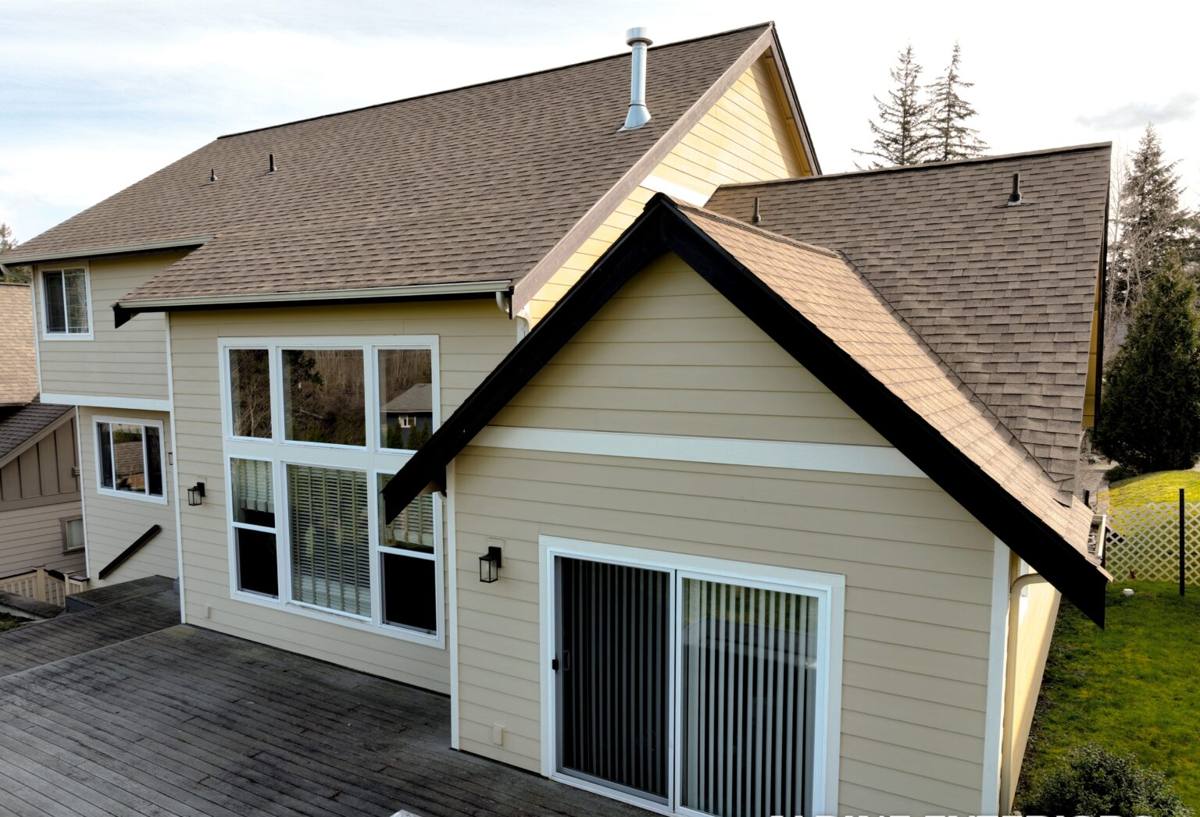
What Coquina Key's Climate Actually Does to Windows
Salt Air and Corrosion
Proximity to Big Bayou, Little Bayou, and the canals throughout Coquina Key means airborne salt is a constant, not an occasional storm event. Salt accelerates corrosion on cheap hardware, pits aluminum finishes, and works its way into weep systems and weatherstripping. Windows here need corrosion-resistant fasteners, hinges, and locks — not just a coat of paint over standard parts.
Wind-Driven Rain
Open water means less to slow the wind down before it hits your house. Wind-driven rain finds weak points that a calm-day inspection would never catch — an undersized sill pan, a missed bead of sealant, a frame that's out of square. On a waterfront lot, water intrusion problems tend to show up faster and get worse quicker than on a sheltered inland property.
UV and Heat
Florida sun is intense year-round, and unshaded waterfront exposures often get more of it, not less. UV breaks down cheap vinyl and gasket materials, fades interior finishes, and drives cooling costs up when glazing isn't doing its job. Low-E coatings and the right glass package matter more here than in a shaded, tree-covered yard.
Hurricane-Force Wind
Even outside a direct hit, Coquina Key sees tropical-storm and hurricane-force wind gusts most seasons. Windows are one of the most common failure points in a wind event — once one window fails, internal pressure can do serious damage to the rest of the structure. This is the piece homeowners care about most, and it's where "custom" earns its keep.
Wind Load, Impact, and Florida Building Code
Pinellas County enforces the Florida Building Code, and every replacement window installed here has to meet wind load requirements for its exposure and elevation — that's not optional, and it's not the same number for every house. Homes closer to open water on Coquina Key typically face higher design pressures than a comparable home further inland, which affects what glass, frame, and anchoring spec is actually required, not just recommended.
In wind-borne debris regions, you also have a choice to make about impact protection. We pull the wind load and debris requirements for your specific address before we spec anything — guessing, or using a neighbor's old permit as a stand-in, is how homeowners end up with windows that fail an inspection or, worse, fail in a storm.
Impact-Rated vs. Protected Windows: Making the Right Call
This is the biggest decision on most Coquina Key projects, and there's no universally "correct" answer — it depends on your budget, how you use the home, and how much you want to think about storm prep every June.
| Factor | Impact-Rated Windows | Standard Windows + Shutters |
|---|---|---|
| Upfront cost | Higher per opening | Lower window cost, added shutter cost |
| Storm prep | None — always protected | Must deploy shutters before every storm |
| Daily use | Full-time clarity and UV protection | Standard glass day to day |
| Noise and UV reduction | Noticeably better, all the time | Only when shutters are up |
| Insurance considerations | Often eligible for wind mitigation credits | Depends on shutter type and coverage |
| Maintenance | Minimal — laminated glass, sealed unit | Shutters need storage, hardware upkeep |
For homes closer to the water's edge on Coquina Key, we generally recommend leaning toward impact glass, simply because deployable shutters depend on someone being home and available with enough lead time — not always realistic with a fast-moving storm. That said, a well-built shutter system paired with quality standard windows is a legitimate, lower-cost path, and we'll lay out both honestly rather than upselling one over the other.
Frame and Material Choices That Hold Up Near Salt Water
| Material | Salt Air Performance | Trade-offs |
|---|---|---|
| Vinyl | Good — won't corrode, low maintenance | Limited color/finish options, can expand/contract with heat |
| Aluminum (marine-grade coated) | Strong if properly finished; narrower sightlines | Needs quality anodizing/powder coat or corrosion becomes an issue |
| Fiberglass | Excellent — very stable, resists salt and UV | Higher material cost |
| Untreated or bargain aluminum | Poor near open water — pitting and corrosion within a few years | Not something we install on waterfront-adjacent homes |
We steer Coquina Key customers away from bargain-grade aluminum frames specifically because of what salt air does to unprotected metal over time — it's a maintenance burden and a warranty headache, not a value we're willing to stand behind on a waterfront lot. Vinyl and properly finished aluminum both perform well here when they're spec'd correctly; fiberglass is worth the upcharge on homes with the heaviest direct water exposure.
How a Correct Installation Actually Works
1. Site Survey and Measurement
Every opening gets measured individually — older Coquina Key homes especially rarely have perfectly square, identical openings, and "close enough" measurements are how you end up with gaps that leak.
2. Load and Product Spec
We pull the wind pressure requirement for your address, confirm impact vs. non-impact debris zone status, and match the window product's design pressure rating to what your home actually needs — with documentation to back it up.
3. Permitting
Window replacement in St. Petersburg requires a permit and inspection. We handle the permit application and coordinate the inspection — skipping this step is a common shortcut with cheap installers, and it can come back to bite you at resale or on an insurance claim.
4. Removal and Waterproofing
The opening gets prepped correctly before the new window goes in — proper flashing, sill pan drainage, and sealant, not just caulk around the trim. This is the step that determines whether a window leaks during the next wind-driven rain event.
5. Installation and Anchoring
Fasteners and anchoring are matched to the substrate (block, wood frame, stucco) and to the load spec — under-anchoring is one of the most common causes of window failure in a storm.
6. Final Inspection and Walkthrough
We confirm the county inspection passes, then walk the homeowner through operation, hardware, and any warranty paperwork.
Signs Your Current Windows Need Attention
- Fogging or a permanent haze between panes (failed seal on double-pane glass)
- Difficulty opening, closing, or locking — frames swelling or racking out of square
- Visible corrosion or pitting on hardware, tracks, or frames
- Soft spots, staining, or bubbling paint on the wall or trim around the window
- Noticeable draft or noise increase during windy conditions
- Chalky, faded, or brittle exterior frame finish from years of UV exposure
- Higher cooling bills without another clear explanation
- Windows original to a home built decades ago, with no known impact rating
Any one of these on its own isn't necessarily urgent. Several together, especially on a home with direct water exposure, usually means it's time for an honest inspection rather than another round of caulk and hope.
Why Local Coquina Key Experience Matters
Window work here isn't generic exterior work with a different label. A crew that regularly works this neighborhood already knows the wind exposure differences between a canal-front lot and one set back a few blocks, has a working relationship with St. Petersburg's permitting process, and has seen firsthand how fast a poorly sealed window turns into an interior moisture problem on a house that takes wind-driven rain off open water. That familiarity shows up in fewer surprises during the job and fewer callbacks after it.
It also matters at resale and for insurance. Documented, permitted, correctly rated window installations are something buyers' inspectors and insurance adjusters check for on waterfront Pinellas County properties — cutting corners here doesn't just risk the window, it risks paperwork you'll need later.
Maintaining Custom Windows in a Salt Air Environment
Even good windows need upkeep near the water. Rinse frames and tracks periodically to clear salt residue, especially after storms. Check and clean weep holes so water can drain instead of pooling. Inspect exterior sealant annually for cracking or gaps, and lubricate hardware on the manufacturer's recommended schedule. None of this is difficult, but it's easy to skip — and skipping it is how a 20-year window turns into a 10-year window.
If your Coquina Key home needs new windows — whether that's a full-house replacement or just the openings facing the water — we're happy to walk the property, explain what your address specifically requires under Florida Building Code, and lay out honest options with no pressure to upsize the job. Reach out below for a free estimate.