 St. Petersburg
 Deck Replacement in Crescent Lake: Built for St. Petersburg's Climate, Not Just Its Yards
Crescent Lake is one of St. Petersburg's older, established neighborhoods, and a lot of the outdoor living spaces here are older too. Many decks in this part of Pinellas County were built years or decades ago to a standard that made sense at the time, but hasn't held up well against Florida's sun, humidity, and storm activity. When a deck reaches the end of its life, patch repairs stop making sense — the framing, fasteners, and footings are all fighting the same conditions that took out the boards on top. A proper replacement addresses the whole system, not just the surface.
This page covers what a deck replacement actually involves for a Crescent Lake property, what our process looks like, and what to consider before you hire someone to do it.
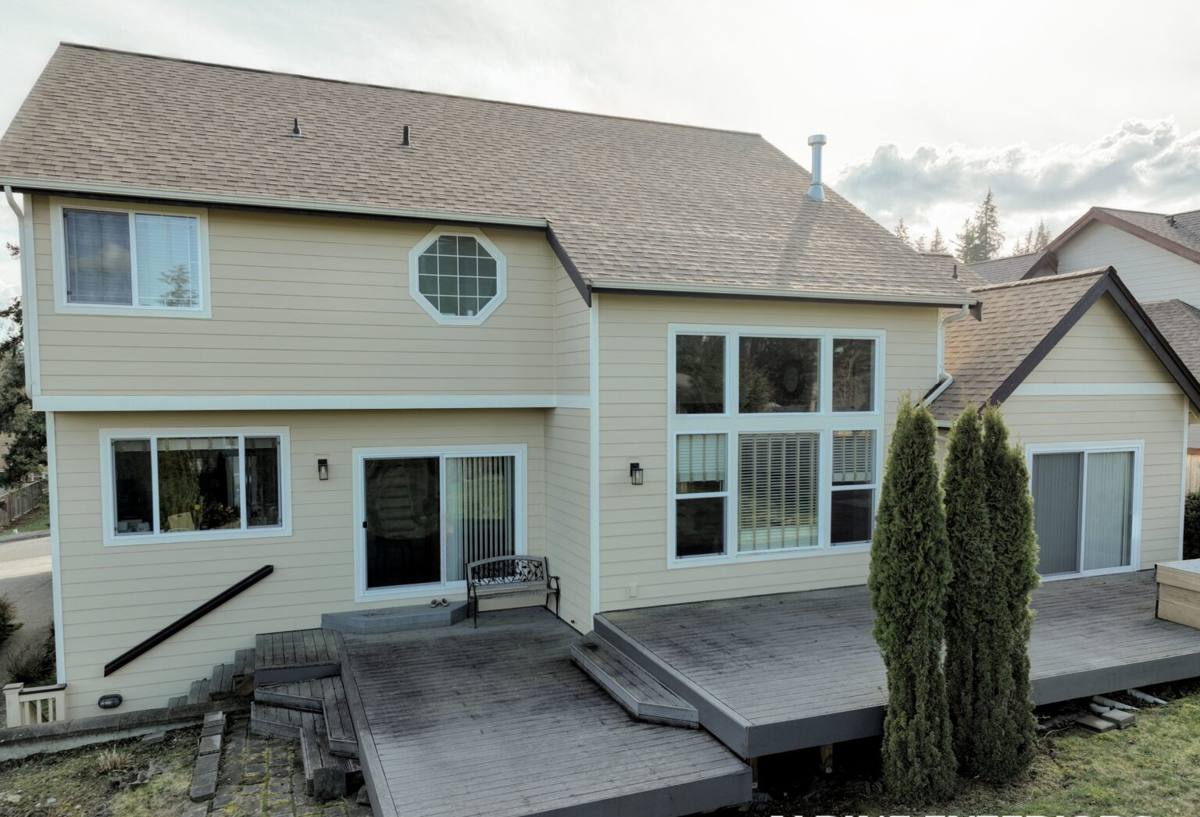
What Pinellas County Weather Does to an Aging Deck
St. Petersburg sits on a peninsula between Tampa Bay and the Gulf, which means even neighborhoods well inland from the water, like Crescent Lake, get a steady dose of salt-laden air. Combine that with intense, near year-round UV exposure, wind-driven rain, and the occasional hurricane-force wind event, and you have a climate that is genuinely hard on exterior wood and metal structures.
Sun and UV
Constant UV breaks down the surface fibers of wood and the resin binders in composite decking over time. Boards gray, split, and become brittle years before they'd wear out in a milder climate. Finishes and sealers that would last five or more years up north often need reapplication far more often here.
Humidity and Moisture Cycling
Florida's humidity keeps wood swelling and shrinking on a near-daily cycle. That constant movement loosens fasteners, opens gaps at joints, and stresses the connections between boards, joists, and ledger. Mature tree canopy, common in Crescent Lake's older residential streets, adds shade that keeps decking damp longer after rain, which speeds up rot in wood components.
Wind and Storm Loading
Deck failures during storms are almost always connection failures, not board failures — a ledger board pulling away from the house, undersized post footings, or railings that were never rated for real wind load. Pinellas County's building code accounts for this, but older decks built before current wind provisions, or built without permits at all, often don't meet it.
Repair or Replace? Signs Your Crescent Lake Deck Has Reached the End
Not every deck problem means a full replacement. But there's a point where continuing to patch a deck costs more in the long run than starting fresh with a properly built structure. Look for these signs:
- Soft, spongy, or springy decking boards, especially near the house or stair landings
- Rust streaking or crumbling fasteners at joist hangers and railing posts
- Visible gaps, rot, or discoloration where the ledger board meets the house
- Posts that feel loose or show rot at or below grade
- Noticeable sway, bounce, or movement when several people are on the deck at once
- Railings that flex or wiggle under hand pressure
- A deck that was never permitted or that predates current Florida Building Code wind provisions
If you're seeing more than one or two of these, especially structural ones like ledger rot or post decay, replacement is almost always the more honest recommendation than another round of board swaps.
What a Correct Deck Replacement Actually Involves
A deck replacement done right isn't just new boards on the old frame. It starts from the ground up.
Structural Inspection First
Before any demolition, we check the condition of the ledger board attachment to the house, the footings, and the framing layout. This tells us whether the existing footprint and structure can be reused or whether the deck needs to be rebuilt from the footings up — common with older Crescent Lake homes where the original deck was added without an engineered footing plan.
Ledger and Flashing
The ledger board connection is the single most common point of deck failure. It needs proper structural fasteners (not just nails), correct flashing to keep water from getting behind it and into the house framing, and the right spacing to meet current load requirements.
Footings and Framing
Footings need to be sized and set to local frost-free depth and soil-bearing requirements, and framing lumber needs to be rated for ground contact or exposure as appropriate. Joist spacing and beam sizing follow span tables tied to the decking material you choose, not a one-size-fits-all layout.
Fasteners and Hardware
In a salt-air, high-humidity climate, standard fasteners corrode fast. We use stainless steel or coated fasteners and hot-dip galvanized structural hardware rated for coastal exposure, which costs more up front but avoids the rust staining and hardware failure that shows up within a few years on decks built with basic hardware.
Railings and Code Compliance
Guardrail height, baluster spacing, and stair railing requirements are all set by code, not preference. A replacement is the right time to correct any older railing that doesn't meet current spacing or height requirements, particularly on elevated decks.
Choosing a Decking Material for Crescent Lake's Climate
The decking material you choose affects both how the deck looks and how much upkeep it demands in this climate. There's no single right answer — it depends on your budget, how much maintenance you want to do, and how long you plan to stay in the home.
| Material | Upfront Cost | Maintenance | How It Handles This Climate |
|---|---|---|---|
| Pressure-treated pine | Lowest | Annual cleaning and resealing recommended | Prone to warping, splitting, and fastener staining without consistent upkeep; shortest realistic lifespan here |
| Composite decking | Mid to upper | Occasional washing, no sealing or staining | Resists rot and UV fading better than wood; quality varies significantly by product line |
| PVC/capped decking | Highest | Lowest — washing only | Best moisture and UV resistance of the common options; higher material cost |
| Tropical hardwoods | High | Periodic oiling to maintain color | Naturally dense and rot-resistant, but installation is unforgiving and mistakes are costly to fix |
We'll walk through these trade-offs honestly during your estimate rather than steering you toward whatever has the best margin. What matters more than the material itself is correct installation — proper gapping for wood movement, correct fastening pattern, and adequate airflow underneath, especially in shadier, tree-covered yards common around Crescent Lake.
Permitting in St. Petersburg and Pinellas County
Deck replacements involving structural work — new footings, altered framing, or changes to the ledger connection — require a permit through the City of St. Petersburg. This isn't paperwork for its own sake: permitted work gets inspected at key stages, which is exactly the check that catches an undersized footing or a bad ledger connection before it's buried under decking. A deck built without a permit can also complicate a home sale or insurance claim down the road. We handle the permit application and coordinate inspections as part of the job, so you're not left figuring out city requirements on your own.
Our Deck Replacement Process
- On-site assessment — we inspect the existing deck's structure, footings, and ledger connection, and check for any drainage or grading issues affecting it.
- Material and design discussion — we go over decking material options, railing style, and layout based on your budget and how you use the space.
- Permit and plan submission — we prepare and submit the permit package to the City of St. Petersburg and schedule required inspections.
- Demolition — the old deck is removed, including footings that don't meet current code or are structurally compromised.
- Rebuild — new footings, framing, ledger attachment, decking, and railings are installed to code, with corrosion-resistant fasteners and hardware throughout.
- Inspection and walkthrough — the work passes required city inspections, and we walk the finished deck with you before calling the job done.
Why Hire a Crew That Already Works in Crescent Lake
Working regularly in a specific neighborhood teaches you things a one-off job doesn't. In Crescent Lake, that means knowing the mix of housing stock — a lot of older frame and block homes with additions and decks built at different times — and knowing how mature tree canopy on these lots affects drainage, shade, and moisture retention around a deck's footings and framing. It also means an existing, working relationship with the City of St. Petersburg's permitting process, so your project doesn't stall waiting on paperwork we're learning as we go.
A few practical things to check before hiring anyone for deck work in this area:
- Are they licensed and insured to do structural work in Pinellas County?
- Will they pull the permit themselves, or leave that to you?
- Do they give you a written scope covering materials, fasteners, and hardware — not just square footage and a price?
- Can they explain why they're recommending a specific material or fastener type for this climate, rather than defaulting to whatever's cheapest?
- Do they have experience with homes similar in age and construction to yours?
A deck that's built correctly for St. Petersburg's sun, humidity, storms, and salt air should give you years of solid use without surprises. That starts with getting the structure right the first time.
If your deck is showing its age, we're happy to take a look and give you a straightforward, no-pressure estimate — just fill out the form below to get started.