 St. Petersburg
 Roof Repair Built for Bartlett Park's Mix of Older and Established Homes
Bartlett Park is one of St. Petersburg's older, close-in neighborhoods, and that shows up on its rooflines. Walk a few blocks and you'll see roofs from very different eras sitting side by side — some replaced recently, some patched more than once, some original to a home that's decades old. A roof repair here isn't a one-size-fits-all job. It means knowing how an older deck and rafter system behaves differently from a newer one, and knowing which fixes hold up under Pinellas County's weather and which ones are just a temporary patch waiting to fail again.
That's the difference between a repair that lasts and one that turns into a repeat service call. Our approach for Bartlett Park homes starts with understanding what's actually under the surface, not just covering up the spot where water showed up inside.
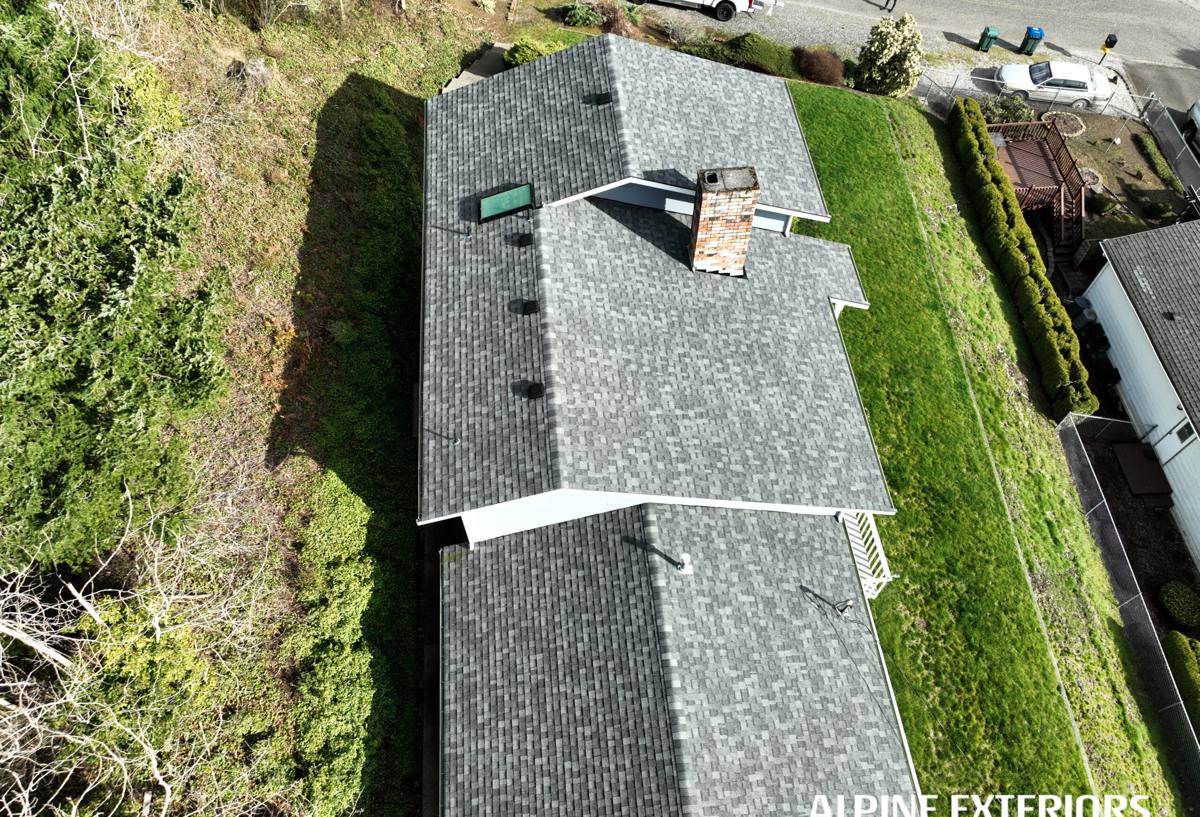
What Pinellas County Climate Does to a Bartlett Park Roof
Roofs in this part of Florida work harder than roofs almost anywhere else in the country, and it's not one factor doing the damage — it's several, stacked on top of each other year after year.
- Hurricane-force wind gets under shingle tabs, tile edges, and ridge caps and pries them loose. Once one piece lifts, the next storm has an easier time taking more.
- Intense, year-round UV bakes asphalt shingles, drying out the oils that keep them flexible and breaking down sealant strips and rubber pipe boots faster than in milder climates.
- Wind-driven rain doesn't fall straight down — it's pushed sideways and even upward under laps, flashing, and fasteners that would keep water out in a calmer climate.
- Salt air off Tampa Bay accelerates corrosion on exposed metal fasteners, flashing, and vents, which is a slower but steady contributor to failures.
Why Small Leaks Turn Into Big Problems Fast Here
Florida's heat and humidity mean a slow, minor leak doesn't just sit there — it feeds rot and mold in attic insulation and framing much faster than it would in a dry climate. A stain the size of a dinner plate on a ceiling can mean a much larger area of wet decking above it, because water travels along the roof deck before it finds a spot to drip through. That's why a repair that only addresses the visible spot, without tracing where the water actually entered and traveled, tends to come back.
Common Roof Repair Calls We See in This Neighborhood
Asphalt Shingle Roofs
The most frequent calls involve wind-lifted or missing shingles, cracked and curling shingles from UV exposure, granule loss that leaves the asphalt underneath exposed, and exposed nail heads that rust and eventually leak.
Tile Roofs
Tile is durable, but individual tiles crack or slip out of place from wind or falling debris. The tile itself is often fine — the real question is whether the underlayment beneath it is still sound, since that's the actual waterproofing layer doing the work.
Flat and Low-Slope Sections
Many older homes in this area have rear additions, porches, or utility sections with flat or low-slope roofing. These are prone to ponding water, seam failures at membrane joints, and blistering from prolonged sun exposure.
Flashing, Regardless of Roof Type
Across every roof type, some of the most common leak points aren't in the main field of the roof at all — they're at chimney flashing, where a wall meets the roof, around plumbing vent pipes, and in valleys where two roof planes meet. Rubber pipe boots in particular are a frequent failure point because UV exposure makes them brittle over time.
What a Correct Roof Repair Actually Involves
A repair that's done right takes more steps than most homeowners expect, and skipping any of them is usually how a "repaired" roof ends up leaking again within a year or two.
- Real diagnosis, not spot-patching. Finding where water is entering — which is often not directly above where it shows up inside — before deciding what to fix.
- Checking the decking. Any area that's been wet needs the plywood or board decking underneath checked for rot before it gets covered back up. Repairing over rotten decking just hides the problem.
- Matching materials where it matters. Shingle color, profile, or tile style should match as closely as reasonably possible, both for appearance and so the patched section sheds water the same way the surrounding roof does.
- Getting the flashing detail right. Since most leaks originate at flashing and penetrations rather than the open field of the roof, this is where careful work matters most.
- Meeting current wind and fastening standards for the portion of the roof being repaired, which matters in a hurricane-prone county like Pinellas.
Our Roof Repair Process
1. Inspection and Diagnosis
We walk the roof and, where accessible, check the attic from inside for staining, damp insulation, or daylight coming through gaps. This tells us the real extent of the problem, not just what's visible from the ground.
2. A Clear, Written Estimate
We explain what we found in plain language — what needs to be fixed now, what's worth monitoring, and what your realistic options are. No pressure, no scare tactics.
3. The Repair Itself
Damaged material is removed back to sound decking. Any compromised decking is replaced. New underlayment and flashing go in correctly at every penetration and transition. Finish materials are matched as closely as possible to the existing roof.
4. Cleanup and Documentation
We sweep for stray nails and debris, haul away the old material, and provide notes and photos of the repair for your records — useful if you ever need documentation for insurance or for a future buyer.
Repair or Replace? How We Help You Decide
Not every roof problem calls for a full replacement, and not every repair is worth doing if the roof is past the point of cost-effective patching. We walk through the honest factors with you rather than defaulting to the more expensive answer.
| Factor | Leans Toward Repair | Leans Toward Replacement |
|---|---|---|
| Roof age | Well within expected service life | At or past the end of its typical lifespan |
| Extent of damage | Isolated to one area or a few spots | Spread across multiple sections |
| Repair history | First or second repair on this roof | Repeated repairs to the same or nearby areas |
| Decking condition | Sound once opened up | Rot or damage found in multiple spots |
| Underlying material condition | Underlayment/membrane still intact overall | Underlayment brittle or failing broadly |
What Affects the Cost of a Roof Repair
Costs vary enough from one job to the next that a flat number doesn't tell you much. These are the factors that actually drive the price up or down.
| Factor | Why It Matters |
|---|---|
| Size of the affected area | A single lifted shingle is a different job than a section damaged by fallen debris |
| Roof material | Shingle, tile, and flat/membrane roofing each require different labor and materials to repair correctly |
| Accessibility | Roof pitch, height, and the number of stories affect the time and equipment needed |
| Decking condition | Rot discovered once the surface is opened up adds material and labor not visible from an initial look |
| Permit requirements | Depending on the scope of work, Florida Building Code may require a permit even for a repair, which adds a step to the process |
Why Hiring a Crew That Already Works in Bartlett Park Matters
A roofer who works this neighborhood regularly already has a sense of the age range of homes here, the mix of roof types you'll find block to block, and how the wind and rain patterns off Tampa Bay tend to hit this part of St. Petersburg. That familiarity shortens the diagnosis phase and helps avoid guesswork.
It also matters for practical reasons: knowing the permitting process with the City of St. Petersburg and Pinellas County, being able to respond quickly when a named storm damages roofs across the whole area at once, and — for any home that falls under neighborhood design or historic guidelines — understanding what those guidelines require before work starts, rather than finding out after the fact.
Roof Maintenance Checklist for Pinellas County Homeowners
A little attention between repairs goes a long way in this climate. These are the habits that catch small problems before they become expensive ones.
- Have the roof visually checked after every named storm or significant wind event
- Trim back overhanging tree limbs that can drop debris or rub against roofing material
- Clean gutters and downspouts regularly so water isn't backing up under the roof edge
- Check the attic after heavy rain for daylight, staining, or damp insulation
- Have flashing and sealant around penetrations inspected at least once a year
- Address minor issues — a lifted shingle, a cracked tile — promptly, before wind-driven rain finds the gap
- Keep an eye on rubber pipe boots and vent seals, since UV breaks these down faster than most other roof components
Get a Straight Answer About Your Roof
If you're dealing with a leak, storm damage, or just want an honest read on the condition of your roof, we're happy to take a look. The form below gets you a free, no-pressure estimate — we'll tell you what we actually see and what your real options are, whether that's a repair or something more.