 St. Petersburg
 Asphalt Shingle Roofing Built for Bartlett Park
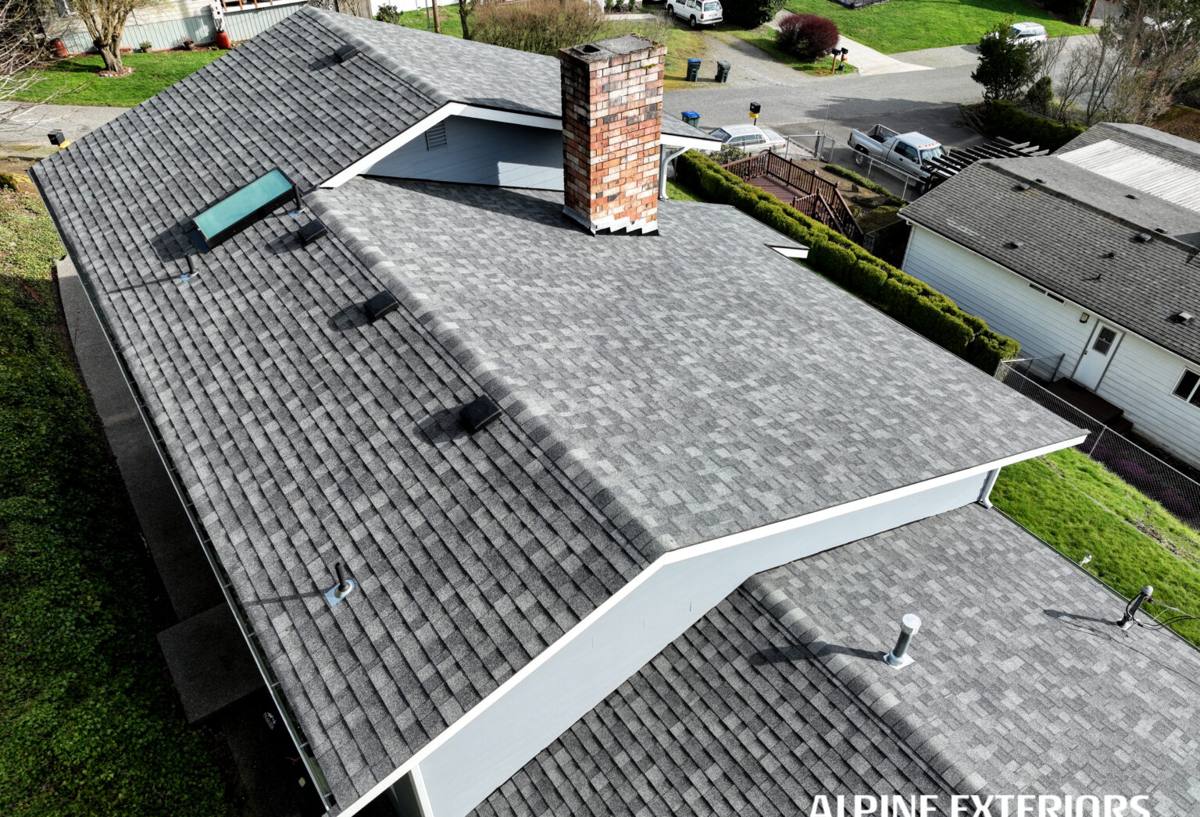
Bartlett Park sits inside one of the more established residential pockets of St. Petersburg, with a housing stock that spans decades of Florida construction — original 1950s and 1960s ranch homes, remodels, and newer infill builds sitting side by side on the same block. What almost all of them share is a roof that has to survive the same Pinellas County weather cycle year after year: months of intense subtropical UV, sudden wind-driven downpours, salt-laden air pushing in off Tampa Bay, and the real possibility of hurricane-force wind loading during storm season. An asphalt shingle roof is still the most practical, cost-effective option for the vast majority of these homes, but "asphalt shingle roof" covers a wide range of quality — from a rushed reroof that fails at the first flashing detail to a system installed the way the manufacturer and the Florida Building Code actually intend. This page is about what that correct job looks like for a home in this specific neighborhood, and why the details matter more here than they would somewhere without our climate.
What This Climate Actually Does to a Shingle Roof
It helps to be specific about the stresses instead of talking about "Florida weather" in the abstract. Four things wear on a Bartlett Park roof continuously:
UV and Heat Cycling
St. Petersburg gets sun exposure most of the country doesn't see. Asphalt shingles lose oils and granules faster under sustained UV, and the daily heat-up/cool-down cycle stresses the seal strips that hold shingles flat. A shingle rated for a cooler climate ages faster here — this is why granule quality and UV-resistant asphalt formulations matter more in this market than in a national average comparison.
Wind-Driven Rain
Rain rarely falls straight down here during a real storm — it comes in sideways, driven by gusts, and finds any gap in the underlayment, flashing, or shingle overlap. A roof that would keep a house dry in a calm, vertical rain can still leak badly under wind-driven rain if the underlayment and flashing details weren't done correctly.
Hurricane-Force Wind Loading
Pinellas County sits in a designated wind zone under the Florida Building Code, and St. Petersburg's coastal exposure means roofs need to be designed and fastened for high wind uplift, not just standard nailing. Shingle blow-off during storms is almost always a fastening or wind-rating problem, not a materials-quality problem — it's about how and where the shingles were nailed.
Salt Air and Coastal Corrosion
Bartlett Park isn't waterfront, but St. Petersburg's peninsula geography means salt-laden air reaches inland neighborhoods too. Salt exposure accelerates corrosion on exposed metal — nails, flashing, vent stacks, drip edge — long before the shingles themselves fail. A roof system that ignores this ages from the metal components outward.
What a Correct Installation Actually Involves
A shingle roof is a system, not a single product. Every layer has to do its job for the whole thing to perform in this climate.
Deck Inspection and Repair
Before anything goes down, the roof deck itself gets inspected for soft spots, delamination, or water damage from the old roof. Skipping this step is one of the most common shortcuts in cheap reroofs — shingles nailed over a compromised deck won't hold fasteners properly and will fail under wind load regardless of shingle quality.
Underlayment
In a wind-driven rain climate, underlayment is not a formality — it's the actual backup water barrier. We use synthetic or self-adhering underlayment appropriate to the roof's slope and exposure, with special attention to laps and fastening pattern, since underlayment failure is a leading cause of leaks that show up long after installation.
Flashing at Every Penetration
Chimneys, vent stacks, skylights, and wall transitions are where shingle roofs actually leak — not in the open field of shingles. Properly formed step flashing, counterflashing, and pipe boots, sealed and integrated with the underlayment rather than just caulked over shingles, is non-negotiable on a home in this climate.
Ventilation
Attic ventilation affects both energy bills and shingle life. Trapped heat under the deck shortens shingle life from underneath, independent of UV exposure on top. A balanced intake-and-exhaust system keeps attic temperatures closer to ambient and reduces the heat stress on the underside of the shingles.
Wind-Rated Nailing Pattern
This is the detail that most separates a code-correct roof from a cut-corner one in a high-wind region. Manufacturer wind warranties and Florida Building Code wind-uplift requirements both depend on the correct number and placement of nails per shingle — typically six nails in high-wind zones rather than the four sometimes used in calmer climates. This single detail is often the difference between a roof that survives a bad storm and one that doesn't.
Choosing the Right Shingle for a Bartlett Park Home
Not every asphalt shingle product is built the same way, and the right choice depends on budget, roof slope, HOA or architectural preferences, and how much wind and impact resistance you want built into the roof itself.
| Shingle Type | Typical Wind Rating | Best Fit | Cost Position |
|---|---|---|---|
| 3-Tab Asphalt | Lower (60-70 mph typical) | Budget reroofs, rental properties | Lowest upfront cost |
| Architectural / Laminate | Higher (110-130 mph typical) | Most owner-occupied homes in this climate | Mid-range, best value for durability |
| Impact-Rated (Class 4) | High wind + hail impact rated | Homes prioritizing storm resilience or insurance credit | Higher upfront, may offset with insurance discount |
For most homes in this neighborhood, we point clients toward architectural shingles rated for Florida wind exposure — they hold up better under UV and wind cycling than 3-tab products and cost meaningfully less than impact-rated systems. Impact-rated shingles are worth a real conversation if you're planning to stay in the home long-term or want to explore the insurance premium credits some carriers offer for Class 4 roofing, which we can walk through during your estimate.
Permits, Code, and Insurance in Pinellas County
Reroofing in St. Petersburg requires a permit, and the work is inspected against the Florida Building Code's wind and water-resistance provisions — this isn't optional paperwork, it's what confirms the roof was actually built to the standard the code requires. A permitted, inspected reroof also matters for insurance: many Florida carriers require documentation of the roof's age, materials, and installation method to set premiums, and some offer credits for wind-mitigation features like the nailing pattern and underlayment type discussed above. We handle the permit and coordinate any required inspections as part of the job — you shouldn't have to manage that yourself.
How Our Process Works
- Inspection and estimate — we walk the roof, check the deck condition where accessible, and give you a straightforward written estimate with no pressure to decide on the spot.
- Material selection — we go through shingle options, wind ratings, and warranty terms so you know what you're buying, not just what it costs.
- Permit and scheduling — we pull the permit, order material, and give you a realistic timeline that accounts for St. Petersburg's weather patterns.
- Tear-off and deck check — full removal of the old roofing so the deck can be properly inspected and any damaged sections replaced before anything new goes down.
- Underlayment, flashing, and shingle installation — installed in the sequence and fastening pattern described above, not shortcuts.
- Cleanup and final inspection — magnetic sweep for nails, full site cleanup, and a final walk-through with you before we consider the job done.
Signs a Bartlett Park Roof Needs Attention
Most shingle roof failures give warning signs well before a full leak shows up inside the house. Worth checking for, or asking us about during an inspection:
- Granules collecting in gutters or at downspouts — a sign of accelerated UV wear
- Shingles that look curled, cupped, or raised at the edges
- Missing or visibly lifted shingles after a windy afternoon
- Dark streaking or staining, which is often algae growth rather than structural damage but worth distinguishing from actual deterioration
- Soft spots felt underfoot near valleys or penetrations
- Rust staining around vent stacks, flashing, or exposed fasteners
- Daylight visible through the attic deck, or musty attic odor after rain
- A roof approaching or past 15-20 years old without a full inspection on record
Why a Crew That Already Works This Neighborhood Matters
A roofing crew that regularly works Bartlett Park and the surrounding St. Petersburg neighborhoods has a practical advantage over one traveling in from outside the area: familiarity with the mix of home ages and roof structures common here, an established relationship with the local permitting process, and a realistic sense of how this specific stretch of Pinellas County weather behaves through the year — not a generalized national playbook. That translates into fewer surprises during the job, a permit and inspection process that moves without friction, and a crew that's still reachable in this market next year if a warranty question or storm-related concern comes up. Roofing is one of those trades where the difference between a five-year fix and a twenty-year roof usually comes down to details most homeowners never see once the shingles are down — which is exactly why it matters who's making those decisions on your roof.
Simple Maintenance That Extends Roof Life
Once a correct roof is installed, a small amount of upkeep goes a long way in this climate. Keep gutters clear so water doesn't back up under the drip edge, trim overhanging branches that drop debris and hold moisture against the shingles, and have the roof looked at after any major windstorm rather than waiting for a visible leak. An annual visual check — even just from the ground — catches most developing problems while they're still a minor repair instead of a full section replacement.
If you're in Bartlett Park and want an honest look at where your current roof stands, or you're ready to plan a reroof before the next storm season, we're glad to come out and give you a straightforward, no-pressure estimate using the form below.